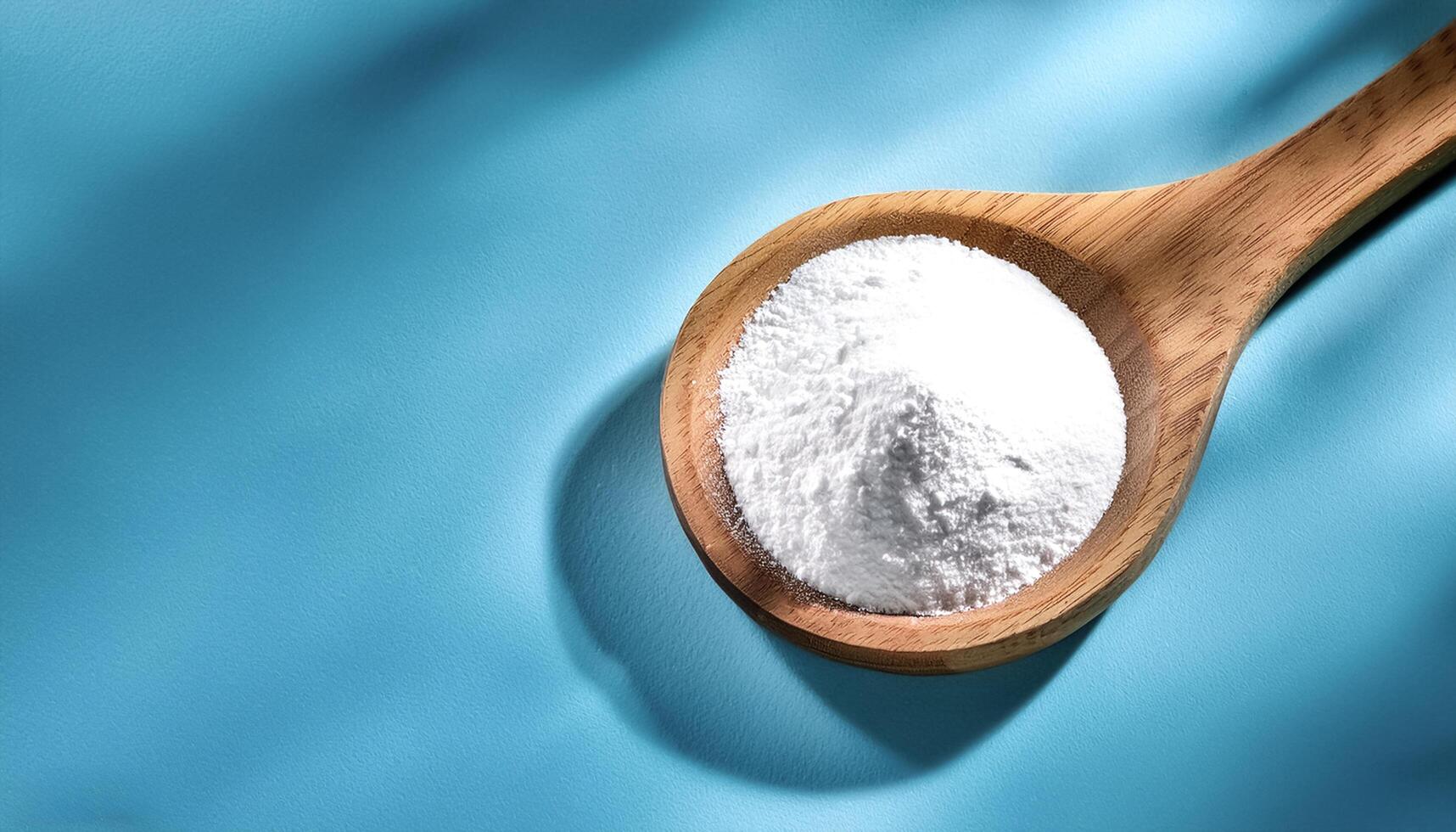
Is Cellulose Powder Gluten Free?

Is Cellulose Powder Gluten Free?

Yes, cellulose powder is gluten-free. Cellulose is derived from plant cell walls, typically from wood or cotton, and does not contain any gluten proteins found in wheat, barley, or rye.

TL;DR

Yes, cellulose powder is gluten-free. Cellulose is derived from plant cell walls, typically from wood or cotton, and does not contain any gluten proteins found in wheat, barley, or rye.

Quick Tips

1

Promotes digestive health: Acts as a prebiotic, supporting beneficial gut bacteria

2

Aids in weight management: Creates a feeling of fullness, potentially reducing overall calorie intake

3

Helps regulate blood sugar: Slows down the absorption of glucose, potentially beneficial for diabetics

# In This Article

3 sections

Quick navigation to each section of this article:

1 Benefits of Cellulose Powder

Promotes digestive health: Acts as a prebiotic, supporting beneficial gut bacteria

Jump
2 Who should avoid Cellulose Powder

People with cellulose sensitivity or allergy: Although rare, some individuals may be allergic to cellulose.

Jump
3 Related Gluten Free Products

Here are five similar gluten-free options to Cellulose Powder, along with short descriptions:

Jump

Benefits of Cellulose Powder

Benefits of Cellulose Powder
Promotes digestive health: Acts as a prebiotic, supporting beneficial gut bacteria
Aids in weight management: Creates a feeling of fullness, potentially reducing overall calorie intake
Helps regulate blood sugar: Slows down the absorption of glucose, potentially beneficial for diabetics
Lowers cholesterol: May help reduce LDL (bad) cholesterol levels
Promotes regular bowel movements: Acts as a bulk-forming laxative, easing constipation
Supports colon health: May reduce the risk of colon cancer by promoting regular bowel movements
Helps with detoxification: Binds to toxins in the digestive tract, aiding in their removal from the body
Provides zero calories: Can be used as a low-calorie food additive or filler
Supports healthy blood pressure: May help lower blood pressure in some individuals
Improves mineral absorption: Can enhance the absorption of certain minerals like calcium
Gluten-free alternative: Can be used as a gluten-free thickener or stabilizer in food products
Potential anti-inflammatory effects: May help reduce inflammation in the bodyIt’s important to note that while cellulose powder offers these potential benefits, it should be consumed in moderation and as part of a balanced diet. Excessive intake may lead to gastrointestinal discomfort in some individuals.

Who should avoid Cellulose Powder

Who should avoid Cellulose Powder
People with cellulose sensitivity or allergy: Although rare, some individuals may be allergic to cellulose.
Those with gastrointestinal disorders: People with conditions like Crohn’s disease, ulcerative colitis, or irritable bowel syndrome may experience worsened symptoms.
Individuals prone to constipation: Cellulose can potentially worsen constipation in some cases.
People taking certain medications: Cellulose may interfere with the absorption of some medications. Consult a healthcare provider if you’re on any prescription drugs.
Those with difficulty swallowing: Cellulose powder can expand when mixed with liquids, potentially causing choking in people with swallowing issues.
Individuals with a history of intestinal blockages: Cellulose may increase the risk of blockages in susceptible individuals.
Pregnant or breastfeeding women: While generally considered safe, they should consult a healthcare provider before use.
People preparing for surgery: Cellulose may interfere with nutrient absorption, so it’s often recommended to stop use before surgical procedures.
Those with diabetes: Cellulose can affect blood sugar levels, so diabetics should monitor their levels closely if using cellulose products.Always consult with a healthcare professional before adding any new supplement to your diet, especially if you have pre-existing health conditions or concerns.
ENJOY YOUR FAVORITE FOODS FEARLESSLY!
Don’t let gluten hold you back. Take Anti-Gluten Pills before your meal and enjoy peace of mind.
SHOP ANTI-GLUTEN PILLS
Clinically proven · Up to 86% gluten reduction · Fast acting

Here are five similar gluten-free options to Cellulose Powder, along with short descriptions:

Related Gluten Free Products
Xanthan Gum:A polysaccharide produced by bacterial fermentation, used as a thickening and stabilizing agent in food products. It provides texture and helps bind ingredients in gluten-free baking.
Guar Gum:Derived from guar beans, this powder acts as a thickener and stabilizer in food products. It improves texture and moisture retention in gluten-free baked goods and can be used in smaller quantities than xanthan gum.
Psyllium Husk:A fiber derived from plantain seeds, psyllium husk absorbs water and forms a gel-like substance. It adds structure and moisture to gluten-free baked goods and can improve their nutritional profile.
Agar Agar:A vegetarian gelatin substitute derived from seaweed, agar agar acts as a thickening and gelling agent. It can be used in various gluten-free recipes, including desserts and baked goods.
Methylcellulose:A chemically modified form of cellulose, methylcellulose acts as a thickener, emulsifier, and binding agent in gluten-free products. It provides structure and helps retain moisture in baked goods, similar to gluten in wheat-based products.

Health Information

? Frequently Asked Questions

4 questions
1 Is powdered cellulose in cheese gluten-free?
Powdered cellulose in cheese is typically gluten-free. Cellulose is derived from plant fibers, not from gluten-containing grains. It is commonly used as an anti-caking agent in shredded cheese products. However, individuals with severe gluten sensitivities should always check product labels or contact manufacturers to confirm the gluten-free status of specific cheese products.
2 Does cellulose have gluten in it?
Cellulose does not contain gluten. Cellulose is a complex carbohydrate found in plant cell walls, while gluten is a protein found in wheat and some other grains. These are completely different types of molecules with distinct structures and functions. People with gluten sensitivities or celiac disease can safely consume cellulose.
3 Can cellulose be made from wheat?
Yes, cellulose can be made from wheat. Wheat straw, which is the stalk left over after harvesting wheat grain, is a rich source of cellulose. The cellulose can be extracted from wheat straw through various chemical and mechanical processes. This wheat-derived cellulose has potential applications in industries such as paper production, textiles, and biofuels.
4 What is cellulose powder made of?
Cellulose powder is made from plant-based cellulose, which is the main structural component found in the cell walls of plants. It is typically derived from wood pulp or other plant materials like cotton. The cellulose is extracted, purified, and then ground into a fine powder form. This powder retains the beneficial properties of cellulose, such as its ability to absorb water and provide bulk.
LIVE GLUTEN-FREE WITHOUT THE FUSS!
Introducing Tolerase® G, clinically proven to reduce up to 86% of gluten in under 10 minutes. Experience the freedom to eat what you love.
SHOP ANTI-GLUTEN PILLS
150mg pure Tolerase® G · Reduces gluten by 86% · Under 10 minutes

Our Expert

Drs. Ilse van Asperen, Orthomolecular Therapist and Nutritional Coach

Drs. Ilse van Asperen

Orthomolecular Therapist, Nutritional Coach & Professional Editor

Drs. Ilse van Asperen is a medical doctor specialising in orthomolecular therapy and nutritional coaching. With a background in public and clinical health research and management, she focuses on addressing the root causes of health issues through diet, gut health, and stress reduction. As a professional editor for Little Helpers, she reviews all gluten-free content to ensure accuracy, safety, and scientific credibility. Read more on Drs. Ilse van Asperen's own website

Our Sources

The information on this page is based on reputable health and nutrition organisations, ensuring accuracy and reliability for anyone following a gluten-free diet. For further details, see the sources below.
Sources

Similar Articles

Back to blog