Share
TL;DR
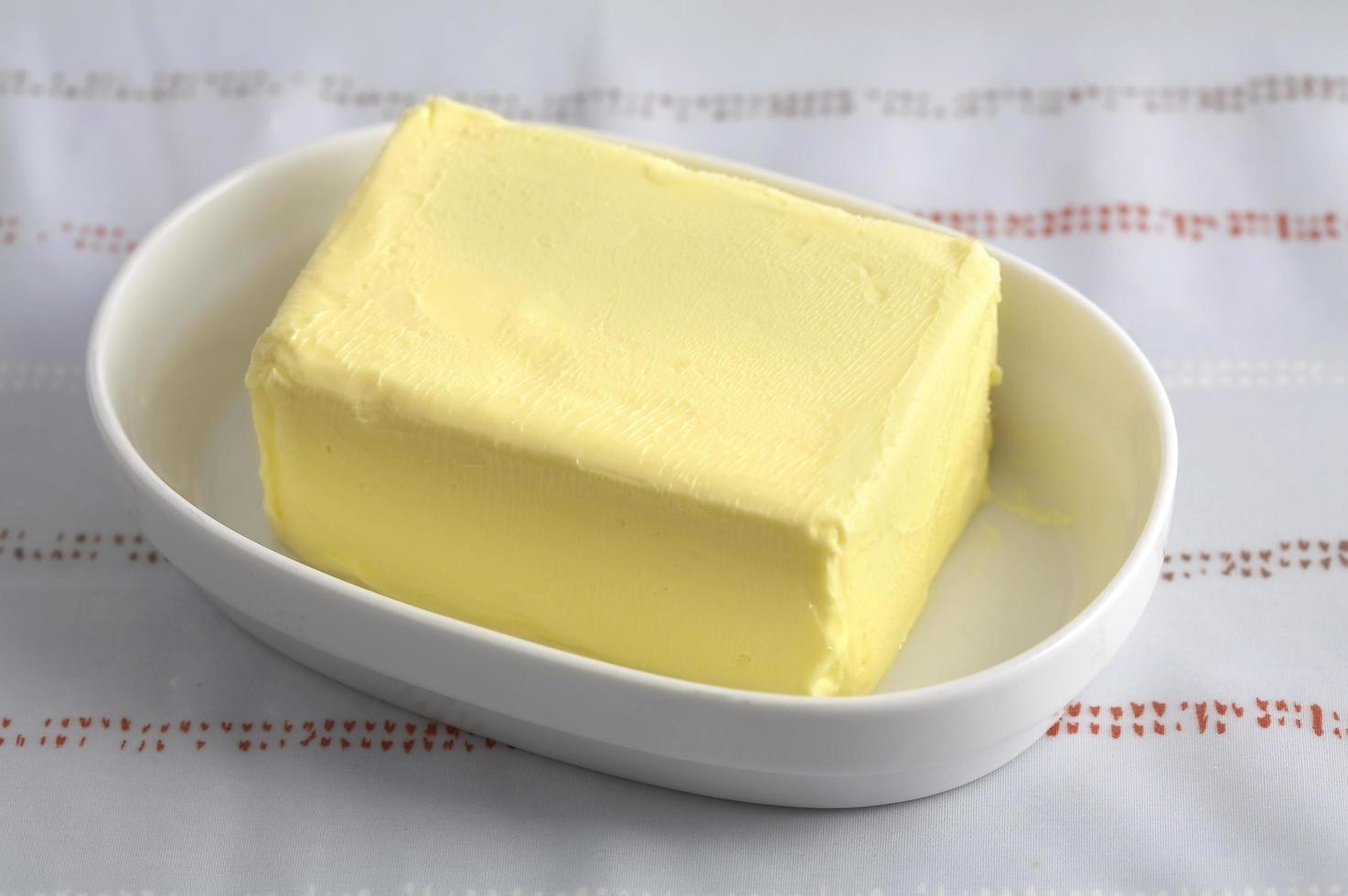
Yes, Challenge Butter is gluten-free. The product contains only cream and salt, with no added ingredients that would contain gluten.
Quick Tips
1Source of fat-soluble vitamins (A, D, E, and K)
2Contains conjugated linoleic acid (CLA), which may have some health benefits
3Provides energy due to its high calorie content
# In This Article
3 sectionsQuick navigation to each section of this article:
1 Benefits of Challenge Butter
Source of fat-soluble vitamins (A, D, E, and K)
Jump2 Who should avoid Challenge Butter
People with high cholesterol levels, as butter is high in saturated fat
Jump3 Related Gluten Free Products
Here are five similar gluten-free options like Challenge Butter, along with short descriptions:
JumpBenefits of Challenge Butter
| Benefits of Challenge Butter |
|---|
| Source of fat-soluble vitamins (A, D, E, and K) |
| Contains conjugated linoleic acid (CLA), which may have some health benefits |
| Provides energy due to its high calorie content |
| Contains some essential fatty acidsHowever, butter is also high in saturated fat and calories, so it should be consumed in moderation. For accurate information about Challenge Butter specifically, I recommend checking the product label or the company’s official website for nutritional details and any claimed health benefits. |
Who should avoid Challenge Butter
| Who should avoid Challenge Butter |
|---|
| People with high cholesterol levels, as butter is high in saturated fat |
| Individuals with heart disease or at high risk for cardiovascular problems |
| Those on a low-fat diet for medical reasons |
| People with dairy allergies or severe lactose intolerance |
| Individuals trying to lose weight or maintain a calorie-restricted diet |
| Vegans or those following a plant-based diet |
| People with certain gallbladder issues, as high-fat foods can trigger symptoms |
| Individuals with a history of pancreatitis, as high-fat foods can exacerbate the condition |
| Those following a kosher diet, if the butter is not certified kosher |
| People with specific dietary restrictions that exclude dairy productsIt’s important to note that moderate consumption of butter, including Challenge Butter, can be part of a balanced diet for many people. However, individuals with specific health concerns or dietary restrictions should consult with a healthcare professional or registered dietitian for personalized advice. |
Related Gluten Free Products
Here are five similar gluten-free options like Challenge Butter, along with short descriptions:
| Related Gluten Free Products |
|---|
| Melt Organic Butter Spread- A plant-based, vegan butter alternative made from a blend of coconut, sunflower, and flaxseed oils. It's dairy-free, soy-free, and has a creamy texture similar to traditional butter. |
| Earth Balance Vegan Buttery Sticks- A popular dairy-free, gluten-free butter substitute made from a blend of vegetable oils. It can be used for baking, cooking, and spreading, and closely mimics the flavor and texture of real butter. |
| Miyoko's Creamery European Style Cultured Vegan Butter- An organic, plant-based butter made from cashew milk and coconut oil. It's cultured like traditional dairy butter, giving it a rich, tangy flavor that works well in both sweet and savory applications. |
| I Can't Believe It's Not Butter! It's Vegan- A gluten-free, vegan spread made from plant-based oils. It's designed to taste like traditional butter and can be used for spreading, cooking, and baking. |
| Country Crock Plant Butter- A dairy-free, gluten-free butter alternative made from plant-based oils, including olive, avocado, and almond oil variations. It's suitable for spreading, cooking, and baking, with a creamy texture similar to conventional butter. |
Health Information
? Frequently Asked Questions
4 questions1 What brands of butter are gluten-free?
2 What butter is not gluten-free?
3 What is challenge butter made of?
4 How can you tell if butter is gluten-free?
Our Expert
Drs. Ilse van Asperen
Orthomolecular Therapist, Nutritional Coach & Professional Editor
Drs. Ilse van Asperen is a medical doctor specialising in orthomolecular therapy and nutritional coaching. With a background in public and clinical health research and management, she focuses on addressing the root causes of health issues through diet, gut health, and stress reduction. As a professional editor for Little Helpers, she reviews all gluten-free content to ensure accuracy, safety, and scientific credibility. Read more on Drs. Ilse van Asperen's own website
Our Sources
The information on this page is based on reputable health and nutrition organisations, ensuring accuracy and reliability for anyone following a gluten-free diet. For further details, see the sources below.