Share
TL;DR
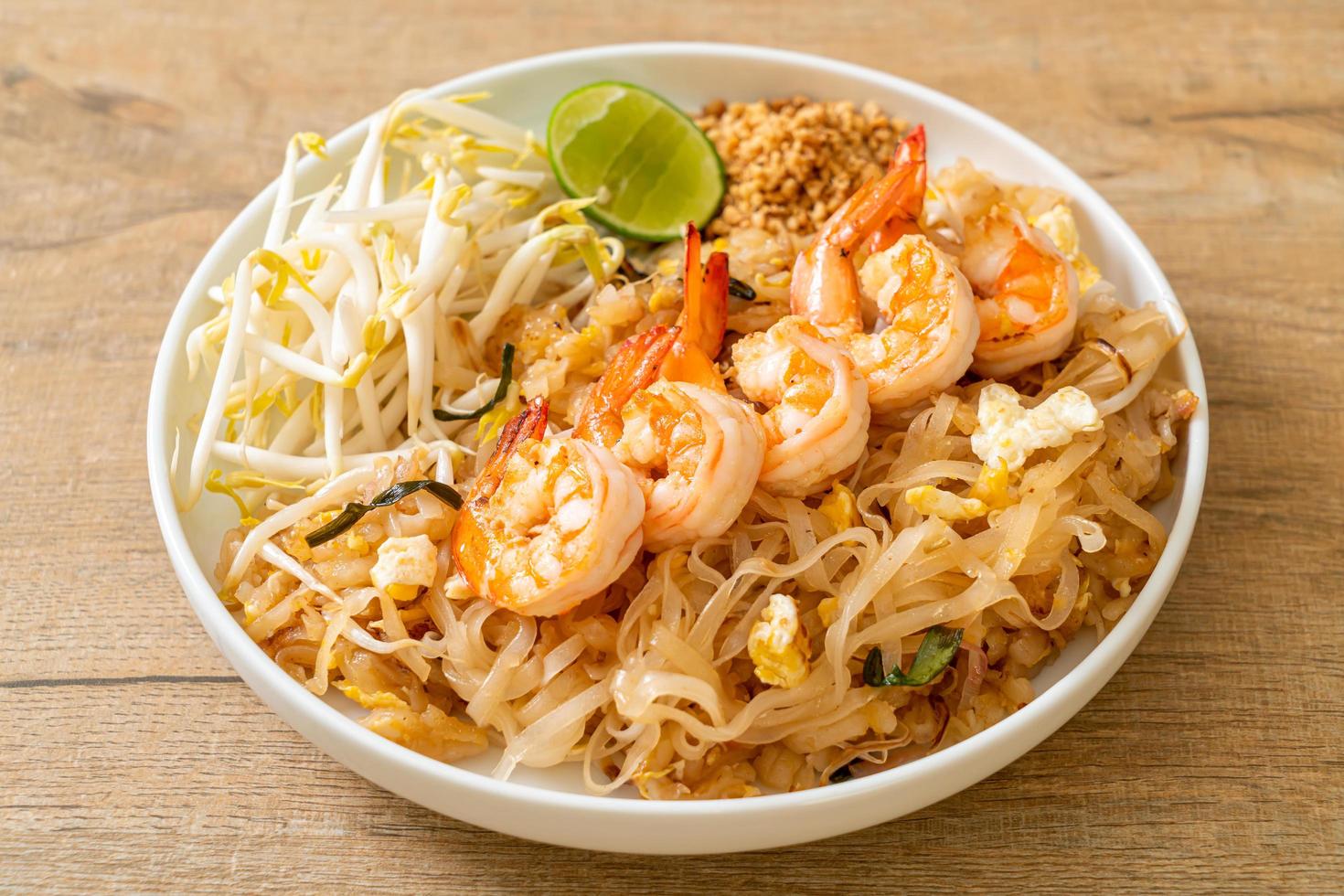
Traditionally, Pad Thai is gluten-free as it uses rice noodles and does not contain wheat-based soy sauce. However, some restaurants may use wheat-based soy sauce or other gluten-containing ingredients, so it’s always best to ask about specific ingredients if you have gluten sensitivity or celiac disease.
Quick Tips
1Protein source: Chicken provides lean protein, essential for muscle growth and repair.
2Complex carbohydrates: Rice noodles offer energy and can help stabilize blood sugar levels.
3Vitamins and minerals: Bean sprouts, green onions, and other vegetables provide various nutrients.
# In This Article
3 sectionsQuick navigation to each section of this article:
1 Benefits of Chicken Pad Thai
Protein source: Chicken provides lean protein, essential for muscle growth and repair.
Jump2 Who should avoid Chicken Pad Thai
Individuals with peanut allergies, as Pad Thai often contains peanuts or peanut sauce
Jump3 Gluten Free Alternatives
Here are five gluten-free alternatives to Chicken Pad Thai, along with short descriptions:
JumpBenefits of Chicken Pad Thai
| Benefits of Chicken Pad Thai |
|---|
| Protein source: Chicken provides lean protein, essential for muscle growth and repair. |
| Complex carbohydrates: Rice noodles offer energy and can help stabilize blood sugar levels. |
| Vitamins and minerals: Bean sprouts, green onions, and other vegetables provide various nutrients. |
| Healthy fats: Peanuts and eggs contribute heart-healthy unsaturated fats. |
| Antioxidants: Garlic, chili peppers, and lime juice contain compounds that may help fight inflammation. |
| Digestive health: Bean sprouts and other vegetables provide dietary fiber. |
| Bone health: Eggs and peanuts contain calcium and vitamin D. |
| Immune support: Garlic and chili peppers may boost immune function. |
| Metabolism boost: Spices like chili can temporarily increase metabolic rate. |
| Satiety: The combination of protein, fats, and fiber can help you feel full and satisfied.Note that the health benefits can vary based on the specific recipe and portion size. Traditional Pad Thai can be high in sodium and calories, so moderation is key. |
Who should avoid Chicken Pad Thai
| Who should avoid Chicken Pad Thai |
|---|
| Individuals with peanut allergies, as Pad Thai often contains peanuts or peanut sauce |
| People with gluten sensitivities or celiac disease, unless the dish is made with gluten-free noodles and soy sauce |
| Those with soy allergies, as soy sauce is a common ingredient |
| Individuals following a low-sodium diet, as Pad Thai can be high in sodium |
| People with shellfish allergies, if the dish includes shrimp paste or other seafood |
| Vegetarians and vegans, unless the dish is specifically prepared without meat and eggs |
| Those following a low-carb or ketogenic diet, due to the high carbohydrate content in the noodles |
| Individuals with egg allergies, as eggs are often used in traditional Pad Thai recipes |
| People with fish allergies, if fish sauce is used in the preparation |
| Those following a low-fat diet, as Pad Thai can be relatively high in fat content |
| Individuals with diabetes or those monitoring their blood sugar, due to the potential high glycemic index of the dish |
| People with MSG sensitivities, if the restaurant uses MSG in their cookingRemember that some of these concerns can be addressed by requesting modifications to the dish or choosing alternative menu items. |
Gluten Free Alternatives
Here are five gluten-free alternatives to Chicken Pad Thai, along with short descriptions:
| Gluten Free Alternatives |
|---|
| Zucchini Noodle Pad Thai - Uses spiralized zucchini instead of rice noodles, creating a low-carb, gluten-free base for the dish. The zucchini noodles provide a fresh, light texture while still absorbing the classic Pad Thai flavors. |
| Quinoa Pad Thai - Substitutes traditional rice noodles with protein-rich quinoa. This alternative offers a nutty flavor and a slightly crunchy texture, while providing additional nutrients and a gluten-free option. |
| Spaghetti Squash Pad Thai - Utilizes roasted spaghetti squash strands as a noodle replacement. This low-calorie alternative has a mild, slightly sweet flavor and creates a unique texture that pairs well with Pad Thai sauce and toppings. |
| Shirataki Noodle Pad Thai - Features zero-calorie, gluten-free noodles made from konjac yam. These translucent noodles have a slightly chewy texture and readily absorb the flavors of the Pad Thai sauce, making them an excellent low-carb option. |
| Rice Paper Roll Pad Thai - Wraps traditional Pad Thai ingredients in gluten-free rice paper rolls. This deconstructed version offers a fun, handheld alternative that maintains the authentic flavors while providing a unique eating experience. |
Health Information
? Frequently Asked Questions
4 questions1 Does pad thai usually have gluten?
2 Is Thai food usually gluten-free?
3 Does Thai sauce have gluten?
4 What is chicken pad thai made of?
Our Expert
Drs. Ilse van Asperen
Orthomolecular Therapist, Nutritional Coach & Professional Editor
Drs. Ilse van Asperen is a medical doctor specialising in orthomolecular therapy and nutritional coaching. With a background in public and clinical health research and management, she focuses on addressing the root causes of health issues through diet, gut health, and stress reduction. As a professional editor for Little Helpers, she reviews all gluten-free content to ensure accuracy, safety, and scientific credibility. Read more on Drs. Ilse van Asperen's own website
Our Sources
The information on this page is based on reputable health and nutrition organisations, ensuring accuracy and reliability for anyone following a gluten-free diet. For further details, see the sources below.