Share
TL;DR
Chinese cuisine is not inherently gluten-free, as many dishes contain ingredients like soy sauce, which typically contains wheat. However, many Chinese dishes can be made gluten-free by substituting certain ingredients or requesting modifications when dining out, such as using tamari instead of regular soy sauce.
Quick Tips
1Rich in vegetables: Many Chinese dishes incorporate a variety of nutrient-dense vegetables.
2Balanced meals: Traditional Chinese meals often include a mix of proteins, carbohydrates, and vegetables.
3Use of herbs and spices: Many Chinese dishes include herbs and spices with potential health benefits, such as ginger and garlic.
# In This Article
3 sectionsQuick navigation to each section of this article:
1 Benefits of Chinese Food
Rich in vegetables: Many Chinese dishes incorporate a variety of nutrient-dense vegetables.
Jump2 Who should avoid Chinese Food
People with soy allergies: Many Chinese dishes contain soy sauce or other soy-based ingredients.
Jump3 Gluten Free Alternatives
Here are five gluten-free alternatives to Chinese food, along with short descriptions:
JumpBenefits of Chinese Food
| Benefits of Chinese Food |
|---|
| Rich in vegetables: Many Chinese dishes incorporate a variety of nutrient-dense vegetables. |
| Balanced meals: Traditional Chinese meals often include a mix of proteins, carbohydrates, and vegetables. |
| Use of herbs and spices: Many Chinese dishes include herbs and spices with potential health benefits, such as ginger and garlic. |
| Emphasis on soups: Chinese soups can be nutritious and hydrating. |
| Moderate portions: Traditional Chinese dining often involves smaller portions and sharing dishes. |
| Steaming and stir-frying: These cooking methods can preserve nutrients better than deep-frying. |
| Green tea consumption: Often served with meals, green tea is rich in antioxidants. |
| Use of soy products: Soy-based foods like tofu are good sources of plant-based protein. |
| Seafood inclusion: Many Chinese dishes feature fish and shellfish, which are rich in omega-3 fatty acids. |
| Low-fat options: Many Chinese dishes can be prepared with minimal oil and fat. |
| Use of medicinal ingredients: Some traditional Chinese ingredients are believed to have healing properties. |
| Fermented foods: Items like kimchi (though more common in Korean cuisine, it’s also used in some Chinese dishes) can promote gut health.Remember that the healthiness of Chinese food can vary greatly depending on preparation methods and specific ingredients used. |
Who should avoid Chinese Food
| Who should avoid Chinese Food |
|---|
| People with soy allergies: Many Chinese dishes contain soy sauce or other soy-based ingredients. |
| Individuals with gluten sensitivity or celiac disease: Wheat-based products like soy sauce and some noodles contain gluten. |
| Those with MSG sensitivity: Some Chinese restaurants use monosodium glutamate (MSG) as a flavor enhancer. |
| People with peanut or tree nut allergies: Many Chinese dishes incorporate peanuts, cashews, or other nuts. |
| Individuals on low-sodium diets: Chinese cuisine often contains high levels of sodium. |
| Those with shellfish allergies: Seafood is common in many Chinese dishes. |
| People with sesame allergies: Sesame oil and seeds are frequently used in Chinese cooking. |
| Individuals following specific religious dietary restrictions: Some may avoid pork or other ingredients common in Chinese cuisine. |
| Those with garlic or onion intolerances: These aromatics are staples in Chinese cooking. |
| People with certain medical conditions requiring dietary restrictions: Always consult with a healthcare provider for personalized advice.Remember, many Chinese restaurants can accommodate dietary restrictions if informed in advance. |
Gluten Free Alternatives
Here are five gluten-free alternatives to Chinese food, along with short descriptions:
| Gluten Free Alternatives |
|---|
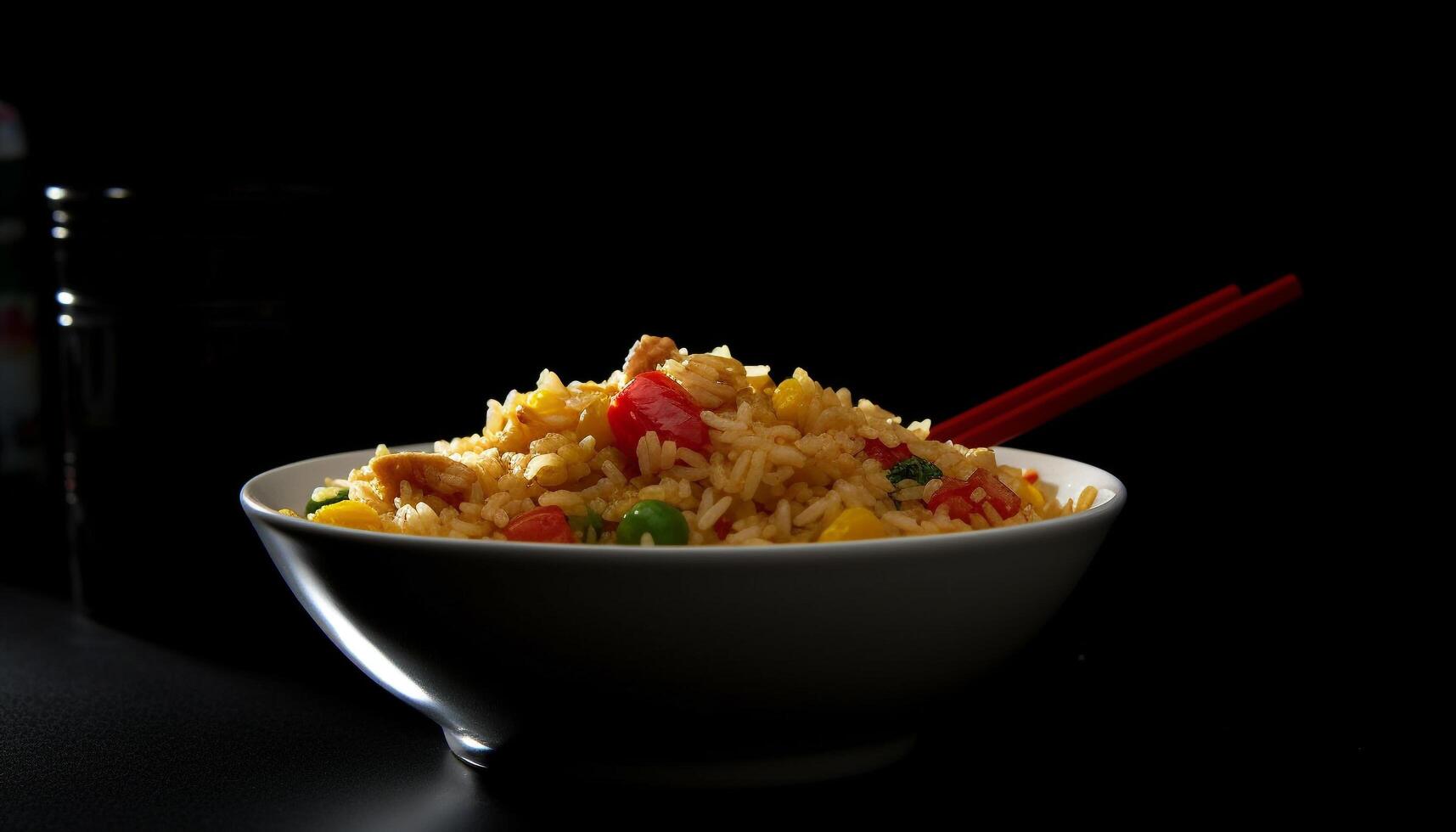
| Rice-based dishes:Many traditional Chinese dishes can be adapted using rice instead of wheat-based ingredients. Rice noodles, rice paper wraps, and stir-fries with rice are excellent gluten-free options that maintain the essence of Chinese cuisine. |
| Tamari sauce:A gluten-free alternative to soy sauce, tamari is made from fermented soybeans without wheat. It provides a similar umami flavor and can be used in marinades, dipping sauces, and stir-fries. |
| Lettuce wraps:Instead of using wheat-based wrappers, lettuce leaves can be used to create delicious wraps filled with seasoned meats, vegetables, and sauces. This option is not only gluten-free but also low-carb and refreshing. |
| Corn starch for thickening:Many Chinese sauces use wheat flour as a thickening agent. Corn starch is a gluten-free alternative that can achieve the same consistency in sauces and gravies without compromising flavor. |
| Shirataki noodles:Made from konjac yam, these translucent, gelatinous noodles are naturally gluten-free and low in calories. They can be used as a substitute for wheat-based noodles in many Chinese dishes, absorbing flavors well. |
Health Information
? Frequently Asked Questions
4 questions1 What food is gluten-free in Chinese?
2 Does Chinese fried rice have gluten?
3 What kind of Chinese noodles are gluten-free?
4 Is Chinese food chicken and broccoli gluten-free?
Our Expert
Drs. Ilse van Asperen
Orthomolecular Therapist, Nutritional Coach & Professional Editor
Drs. Ilse van Asperen is a medical doctor specialising in orthomolecular therapy and nutritional coaching. With a background in public and clinical health research and management, she focuses on addressing the root causes of health issues through diet, gut health, and stress reduction. As a professional editor for Little Helpers, she reviews all gluten-free content to ensure accuracy, safety, and scientific credibility. Read more on Drs. Ilse van Asperen's own website
Our Sources
The information on this page is based on reputable health and nutrition organisations, ensuring accuracy and reliability for anyone following a gluten-free diet. For further details, see the sources below.