Share
TL;DR
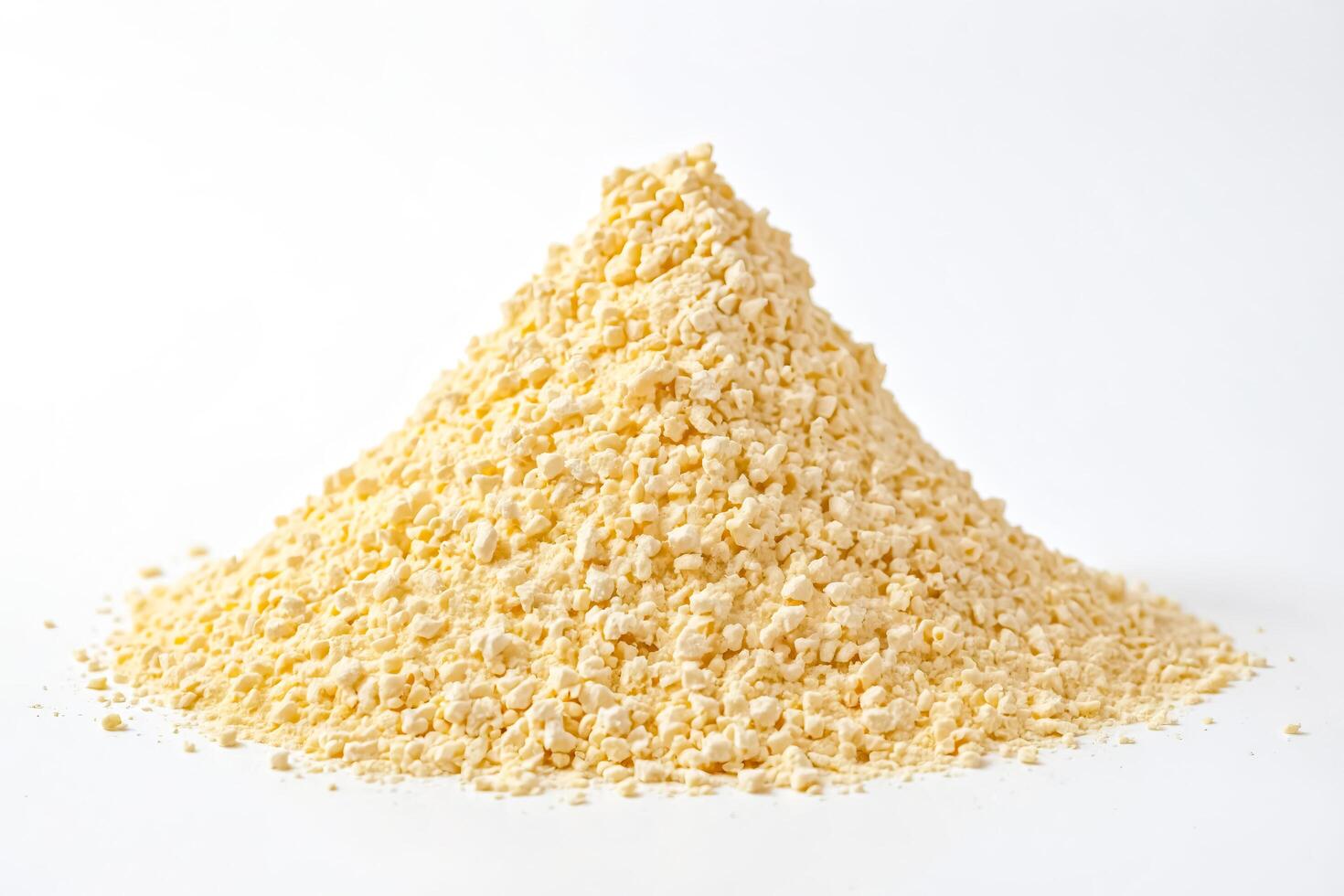
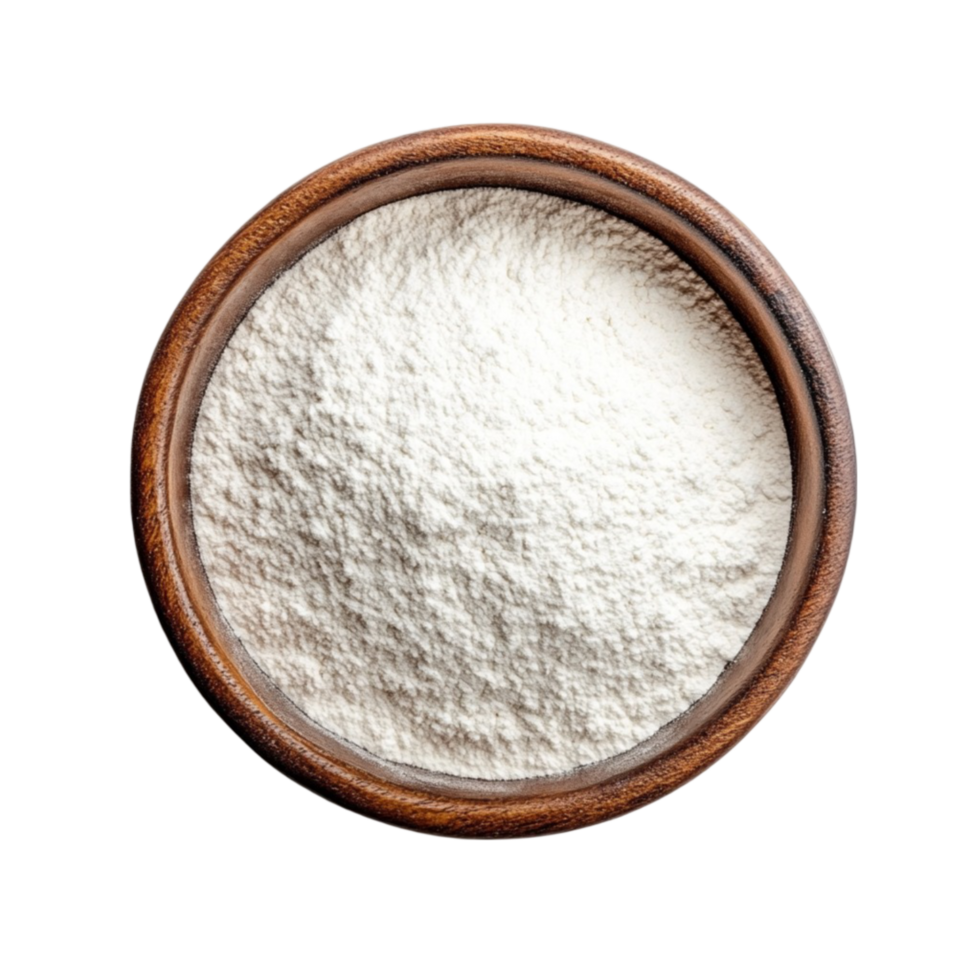
Corn flour is naturally gluten-free as it is made from ground corn, which does not contain gluten. However, it’s important to check the packaging or verify with the manufacturer to ensure there hasn’t been any cross-contamination with gluten-containing grains during processing or packaging.
Quick Tips
1Gluten-free: Suitable for people with celiac disease or gluten sensitivity
2Nutritious: Contains fiber, protein, vitamins, and minerals
3Versatile: Used in various culinary applications (baking, thickening, coating)
# In This Article
3 sectionsQuick navigation to each section of this article:
Benefits of Corn flour
| Benefits of Corn flour |
|---|
| Gluten-free: Suitable for people with celiac disease or gluten sensitivity |
| Nutritious: Contains fiber, protein, vitamins, and minerals |
| Versatile: Used in various culinary applications (baking, thickening, coating) |
| Low in fat: Good for those watching their fat intake |
| Rich in antioxidants: Contains beneficial compounds like carotenoids and phenolic acids |
| Good source of energy: High in carbohydrates, providing quick energy |
| Helps with digestion: The fiber content aids in digestive health |
| May help control blood sugar: Has a lower glycemic index compared to wheat flour |
| Adds texture: Provides a unique texture to baked goods |
| Extended shelf life: Stores well for long periods |
| Economical: Generally less expensive than some other specialty flours |
| Non-allergenic: Less likely to cause allergic reactions compared to wheat flour |
| Supports bone health: Contains phosphorus, which is important for bone health |
| Enhances flavor: Adds a subtle, sweet corn flavor to dishes |
Who should avoid Corn flour
| Who should avoid Corn flour |
|---|
| People with corn allergies or sensitivities |
| Individuals with celiac disease (if the corn flour is cross-contaminated with gluten) |
| Those following a low-carb or ketogenic diet |
| People with diabetes who need to monitor their carbohydrate intake |
| Individuals with a condition called favism (G6PD deficiency), as corn can sometimes trigger symptoms |
| Those following a grain-free diet for health reasons |
| People with inflammatory bowel diseases who find that corn exacerbates their symptoms |
| Individuals trying to avoid genetically modified organisms (GMOs), as much corn is genetically modified |
| Individuals following specific diet plans that exclude corn (e.g., certain autoimmune protocols)Remember, it’s always best to consult with a healthcare professional or registered dietitian before making significant changes to your diet, especially if you have specific health concerns. |
Related Gluten Free Products
Here are five gluten-free options similar to corn flour:
| Related Gluten Free Products |
|---|
| Rice flour:Made from finely ground rice, this versatile flour is commonly used in gluten-free baking and cooking. It has a mild flavor and can be used to make everything from cakes to noodles. |
| Almond flour:Produced by grinding blanched almonds into a fine powder, almond flour is high in protein and healthy fats. It's popular in gluten-free and low-carb baking, adding a slightly nutty flavor to recipes. |
| Chickpea flour:Also known as gram flour or besan, this flour is made from ground chickpeas. It's high in protein and fiber, and is commonly used in Middle Eastern and Indian cuisines for flatbreads, fritters, and batters. |
| Buckwheat flour:Despite its name, buckwheat is not related to wheat and is naturally gluten-free. This flour has a strong, nutty flavor and is rich in nutrients. It's often used in pancakes, noodles, and traditional dishes like French galettes. |
| Tapioca flour:Extracted from cassava root, tapioca flour is a light, slightly sweet flour that's excellent for thickening sauces and creating a chewy texture in baked goods. It's often used in combination with other gluten-free flours to improve texture. |
Health Information
? Frequently Asked Questions
1 questions1 What brand of cornflour is gluten-free?
Our Expert
Drs. Ilse van Asperen
Orthomolecular Therapist, Nutritional Coach & Professional Editor
Drs. Ilse van Asperen is a medical doctor specialising in orthomolecular therapy and nutritional coaching. With a background in public and clinical health research and management, she focuses on addressing the root causes of health issues through diet, gut health, and stress reduction. As a professional editor for Little Helpers, she reviews all gluten-free content to ensure accuracy, safety, and scientific credibility. Read more on Drs. Ilse van Asperen's own website
Our Sources
The information on this page is based on reputable health and nutrition organisations, ensuring accuracy and reliability for anyone following a gluten-free diet. For further details, see the sources below.