Share
TL;DR
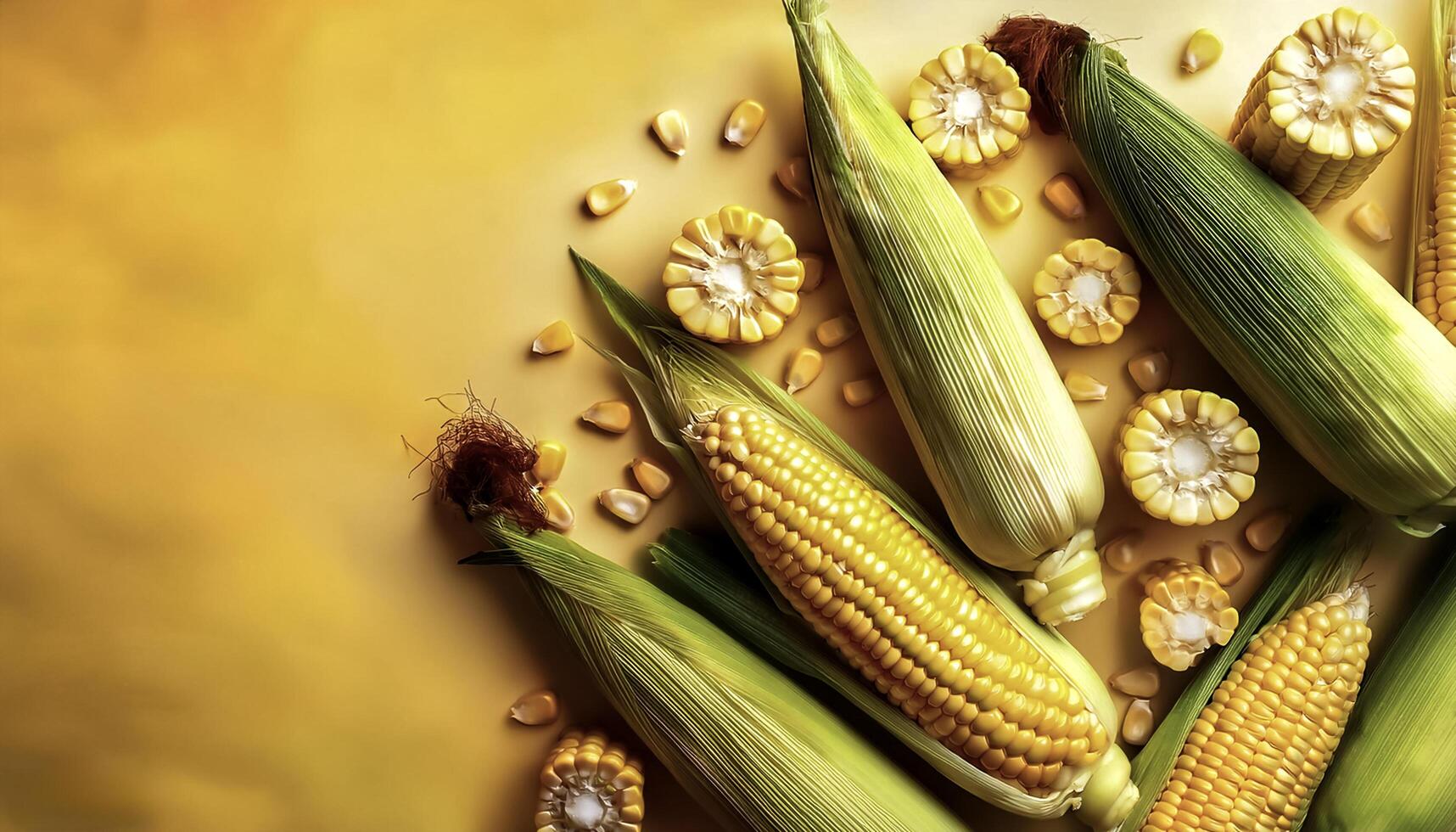
Yes, corn oil is generally considered gluten-free. Corn oil is derived from corn kernels, which do not contain gluten, and the refining process typically removes any potential cross-contamination, making it safe for those with celiac disease or gluten sensitivity.
Quick Tips
1Low in saturated fat: Corn oil is primarily composed of polyunsaturated and monounsaturated fats, which are considered healthier than saturated fats.
2Rich in vitamin E: Corn oil is a good source of vitamin E, an antioxidant that supports immune function and skin health.
3May help lower cholesterol: Studies suggest that corn oil may help reduce LDL (bad) cholesterol levels when used in place of saturated fats.
# In This Article
3 sectionsQuick navigation to each section of this article:
1 Benefits of Corn Oil
Low in saturated fat: Corn oil is primarily composed of polyunsaturated and monounsaturated fats, which are considered healthier than saturated fats.
Jump2 Who should avoid Corn Oil
People with corn allergies or sensitivities
Jump3 Related Gluten Free Products
Here are five similar gluten-free options to Corn Oil, along with short descriptions:
JumpBenefits of Corn Oil
| Benefits of Corn Oil |
|---|
| Low in saturated fat: Corn oil is primarily composed of polyunsaturated and monounsaturated fats, which are considered healthier than saturated fats. |
| Rich in vitamin E: Corn oil is a good source of vitamin E, an antioxidant that supports immune function and skin health. |
| May help lower cholesterol: Studies suggest that corn oil may help reduce LDL (bad) cholesterol levels when used in place of saturated fats. |
| Contains plant sterols: These compounds can help block cholesterol absorption in the body, potentially contributing to heart health. |
| Source of essential fatty acids: Corn oil provides linoleic acid, an omega-6 fatty acid that is essential for various bodily functions. |
| May have anti-inflammatory properties: Some components in corn oil, such as phytosterols, may help reduce inflammation in the body. |
| High smoke point: This makes it suitable for high-heat cooking methods, reducing the formation of harmful compounds during cooking. |
| Potential skin benefits: When applied topically, corn oil may help moisturize the skin and provide some UV protection. |
| May aid in weight management: When used in moderation as part of a balanced diet, corn oil can be part of a weight management plan due to its fat content promoting satiety. |
| Possible blood sugar regulation: Some studies suggest that corn oil may help improve insulin sensitivity, potentially benefiting blood sugar control.Remember that while corn oil has these potential benefits, it should be consumed in moderation as part of a balanced diet. |
Who should avoid Corn Oil
| Who should avoid Corn Oil |
|---|
| People with corn allergies or sensitivities |
| Individuals following a low-omega-6 diet, as corn oil is high in omega-6 fatty acids |
| Those with a history of inflammatory conditions, as high omega-6 intake may contribute to inflammation |
| People trying to reduce their intake of genetically modified organisms (GMOs), as most corn oil is derived from GMO corn |
| Individuals on a low-calorie diet, due to the high caloric content of oils in general |
| Those with a history of heart disease or at high risk for cardiovascular issues, as some studies suggest potential negative effects of high omega-6 intake |
| People following specific diets that restrict seed oils, such as the Paleo diet |
| Individuals with metabolic syndrome or at risk for type 2 diabetes, as some research indicates potential negative effects of high omega-6 intake |
| Those trying to maintain a better omega-3 to omega-6 ratio in their diet |
| People with specific health conditions who have been advised by their healthcare provider to avoid corn oilRemember, it’s always best to consult with a healthcare professional or registered dietitian for personalized advice regarding dietary choices. |
Related Gluten Free Products
Here are five similar gluten-free options to Corn Oil, along with short descriptions:
| Related Gluten Free Products |
|---|
| Olive Oil- Made from pressed olives- Rich in monounsaturated fats and antioxidants- Known for its heart-healthy properties and versatile culinary uses |
| Coconut Oil- Extracted from the meat of coconuts- High in saturated fats, particularly medium-chain triglycerides (MCTs)- Popular in cooking, baking, and as a natural beauty product |
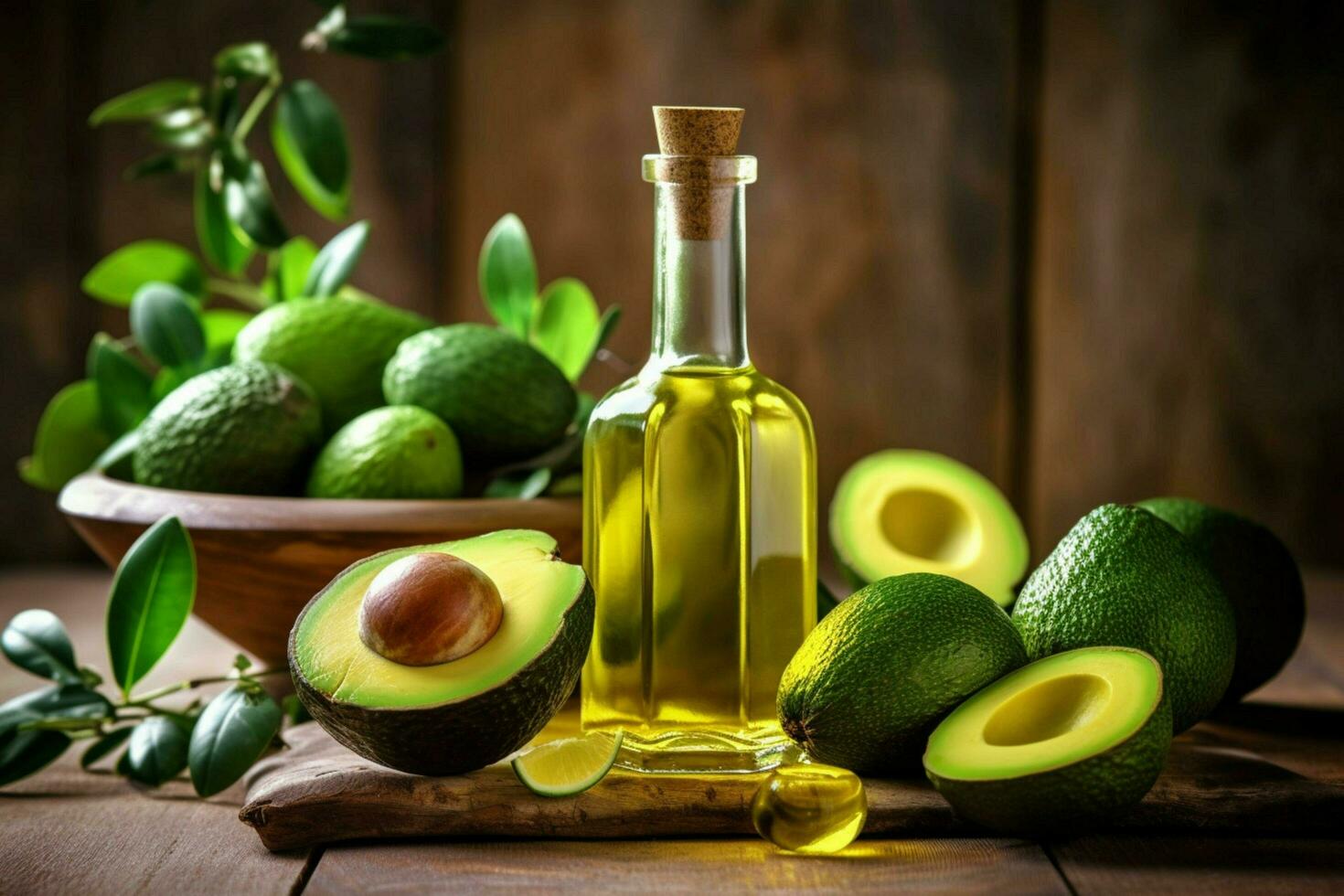
| Avocado Oil- Pressed from the pulp of avocados- High in monounsaturated fats and vitamin E- Has a high smoke point, making it suitable for high-heat cooking |
| Grapeseed Oil- Produced from the seeds of grapes, often a by-product of winemaking- Light flavor and high smoke point- Contains vitamin E and polyunsaturated fats |
| Sunflower Oil- Extracted from sunflower seeds- Rich in vitamin E and low in saturated fats- Neutral flavor makes it versatile for various cooking applicationsAll of these oils are naturally gluten-free and can be used as alternatives to corn oil in cooking, baking, and other culinary applications. |
Health Information
? Frequently Asked Questions
4 questions1 Which oils are not gluten-free?
2 Is mazola corn oil gluten-free?
3 Why is corn not gluten-free?
4 What is corn oil made of?
Our Expert
Drs. Ilse van Asperen
Orthomolecular Therapist, Nutritional Coach & Professional Editor
Drs. Ilse van Asperen is a medical doctor specialising in orthomolecular therapy and nutritional coaching. With a background in public and clinical health research and management, she focuses on addressing the root causes of health issues through diet, gut health, and stress reduction. As a professional editor for Little Helpers, she reviews all gluten-free content to ensure accuracy, safety, and scientific credibility. Read more on Drs. Ilse van Asperen's own website
Our Sources
The information on this page is based on reputable health and nutrition organisations, ensuring accuracy and reliability for anyone following a gluten-free diet. For further details, see the sources below.