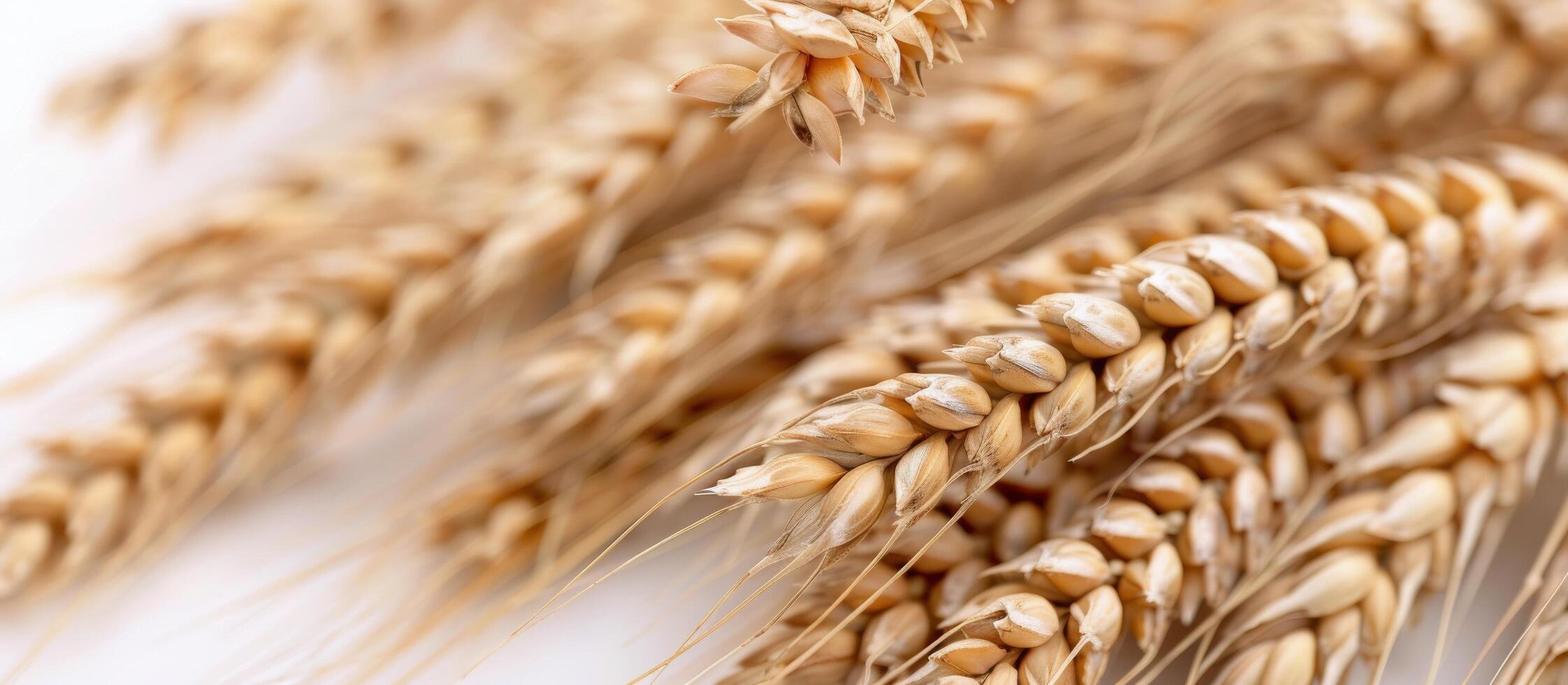
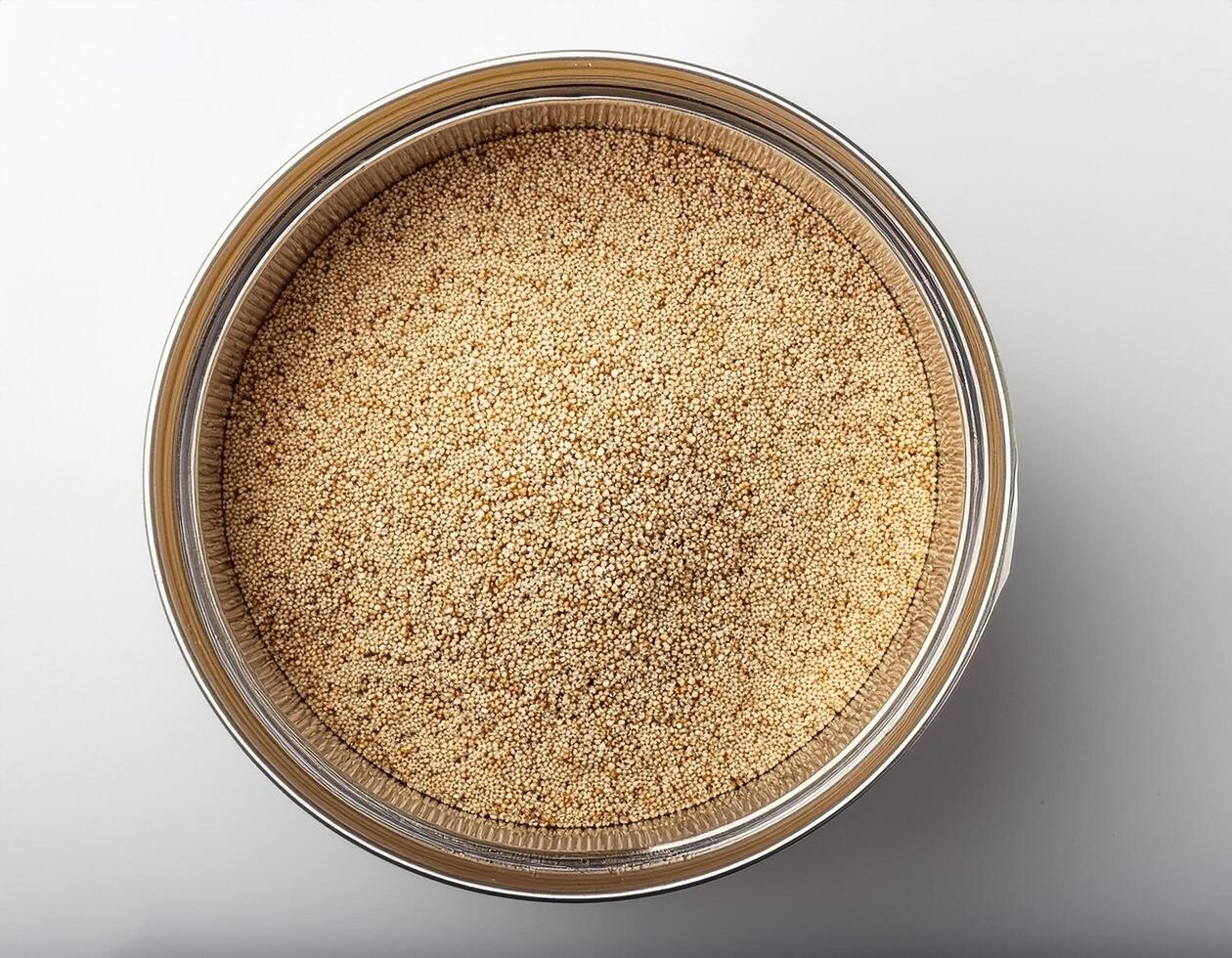
Is Cracked Wheat Gluten Free?

Is Cracked Wheat Gluten Free?

Cracked wheat is not gluten-free, as it is made from wheat, which naturally contains gluten. People with celiac disease or gluten sensitivity should avoid cracked wheat and opt for gluten-free alternatives like quinoa, buckwheat, or rice instead.

TL;DR

Cracked wheat is not gluten-free, as it is made from wheat, which naturally contains gluten. People with celiac disease or gluten sensitivity should avoid cracked wheat and opt for gluten-free alternatives like quinoa, buckwheat, or rice instead.

Quick Tips

1

High in fiber: Promotes digestive health and helps maintain regular bowel movements

2

Low glycemic index: Helps regulate blood sugar levels and may benefit those with diabetes

3

Rich in vitamins and minerals: Particularly B vitamins, iron, magnesium, and zinc

# In This Article

3 sections

Quick navigation to each section of this article:

1 Benefits of Cracked Wheat

High in fiber: Promotes digestive health and helps maintain regular bowel movements

Jump
2 Who should avoid Cracked Wheat

People with celiac disease: Cracked wheat contains gluten, which can trigger serious symptoms in those with celiac disease.

Jump
3 Gluten Free Alternatives

Here are five gluten-free alternatives to Cracked Wheat, along with short descriptions:

Jump

Benefits of Cracked Wheat

Benefits of Cracked Wheat
High in fiber: Promotes digestive health and helps maintain regular bowel movements
Low glycemic index: Helps regulate blood sugar levels and may benefit those with diabetes
Rich in vitamins and minerals: Particularly B vitamins, iron, magnesium, and zinc
Good source of plant-based protein: Supports muscle growth and repair
Contains antioxidants: May help protect cells from damage caused by free radicals
Heart-healthy: The fiber content may help lower cholesterol levels
Weight management: High fiber content promotes feelings of fullness, potentially reducing overall calorie intake
Provides sustained energy: Complex carbohydrates offer long-lasting energy throughout the day
Supports bone health: Contains minerals like manganese and phosphorus that are important for bone strength
May reduce inflammation: Some studies suggest whole grains like cracked wheat may have anti-inflammatory properties
Versatile and easy to prepare: Can be incorporated into various dishes, making it easy to add to a healthy diet
Prebiotic properties: Supports the growth of beneficial gut bacteriaRemember that these benefits are most pronounced when cracked wheat is consumed as part of a balanced, varied diet.

Who should avoid Cracked Wheat

Who should avoid Cracked Wheat
People with celiac disease: Cracked wheat contains gluten, which can trigger serious symptoms in those with celiac disease.
Individuals with non-celiac gluten sensitivity: These people may experience discomfort or other symptoms when consuming gluten-containing foods like cracked wheat.
Those with wheat allergies: People allergic to wheat should avoid cracked wheat to prevent allergic reactions.
Individuals following a gluten-free diet: Whether for medical reasons or personal choice, those on a gluten-free diet should not consume cracked wheat.
People with irritable bowel syndrome (IBS): Some IBS sufferers may find that wheat products, including cracked wheat, exacerbate their symptoms.
Those following a low FODMAP diet: Cracked wheat is high in fructans, which are not well-tolerated on a low FODMAP diet.
Individuals with certain digestive disorders: People with conditions like Crohn’s disease or ulcerative colitis may need to limit or avoid wheat products, including cracked wheat.
Those on a low-carb or ketogenic diet: Cracked wheat is high in carbohydrates and may not fit into these dietary plans.Always consult with a healthcare professional or registered dietitian before making significant changes to your diet, especially if you have any health concerns or conditions.
ENJOY YOUR FAVORITE FOODS FEARLESSLY!
Don’t let gluten hold you back. Take Anti-Gluten Pills before your meal and enjoy peace of mind.
SHOP ANTI-GLUTEN PILLS
Clinically proven · Up to 86% gluten reduction · Fast acting

Gluten Free Alternatives

Here are five gluten-free alternatives to Cracked Wheat, along with short descriptions:

Gluten Free Alternatives
Quinoa:A nutrient-rich, high-protein seed that cooks quickly and has a slightly nutty flavor. It can be used in salads, as a side dish, or as a base for grain bowls.
Buckwheat Groats:Despite its name, buckwheat is not related to wheat and is gluten-free. It has a robust, earthy flavor and can be used in pilafs, porridges, or as a stuffing ingredient.
Millet:A small, round grain with a mild, slightly sweet flavor. It's versatile and can be used in place of rice or couscous, or as a hot breakfast cereal.
Amaranth:A tiny, protein-rich seed with a nutty flavor and slightly crunchy texture. It can be popped like popcorn, cooked into porridge, or used as a thickener in soups and stews.
Sorghum:A hearty ancient grain with a mild, slightly sweet taste. It can be cooked like rice, popped like popcorn, or ground into flour for baking. It's also high in fiber and antioxidants.

Health Information

? Frequently Asked Questions

4 questions
1 Which wheat is gluten-free?
No wheat is naturally gluten-free. All varieties of wheat, including durum, spelt, and kamut, contain gluten. Gluten is a protein found in wheat, barley, and rye. For those who need to avoid gluten, alternatives like rice, corn, quinoa, and gluten-free oats are good options.
2 What is a gluten-free alternative to bulgur wheat?
A popular gluten-free alternative to bulgur wheat is quinoa. Quinoa has a similar texture and can be used in many of the same dishes as bulgur. Another option is cauliflower rice, which provides a grain-like consistency when finely chopped. Millet and buckwheat groats are also good gluten-free substitutes that can be used in place of bulgur in various recipes.
3 What is cracked wheat made of?
Cracked wheat is made from whole wheat kernels. The kernels are coarsely ground or cracked into smaller pieces. This process breaks the wheat berry into fragments while retaining all parts of the grain, including the bran, germ, and endosperm. Cracked wheat is considered a whole grain product and maintains the nutritional benefits of whole wheat.
4 Can you eat bulgur if you are celiac?
Bulgur wheat is not safe for people with celiac disease to consume. It is made from wheat and contains gluten, which triggers an immune response in those with celiac. Eating bulgur could cause serious health issues for celiac patients. Individuals with celiac disease should avoid bulgur and opt for gluten-free alternatives instead.
LIVE GLUTEN-FREE WITHOUT THE FUSS!
Introducing Tolerase® G, clinically proven to reduce up to 86% of gluten in under 10 minutes. Experience the freedom to eat what you love.
SHOP ANTI-GLUTEN PILLS
150mg pure Tolerase® G · Reduces gluten by 86% · Under 10 minutes

Our Expert

Drs. Ilse van Asperen, Orthomolecular Therapist and Nutritional Coach

Drs. Ilse van Asperen

Orthomolecular Therapist, Nutritional Coach & Professional Editor

Drs. Ilse van Asperen is a medical doctor specialising in orthomolecular therapy and nutritional coaching. With a background in public and clinical health research and management, she focuses on addressing the root causes of health issues through diet, gut health, and stress reduction. As a professional editor for Little Helpers, she reviews all gluten-free content to ensure accuracy, safety, and scientific credibility. Read more on Drs. Ilse van Asperen's own website

Our Sources

The information on this page is based on reputable health and nutrition organisations, ensuring accuracy and reliability for anyone following a gluten-free diet. For further details, see the sources below.
Sources

Similar Articles

Back to blog