Share
TL;DR
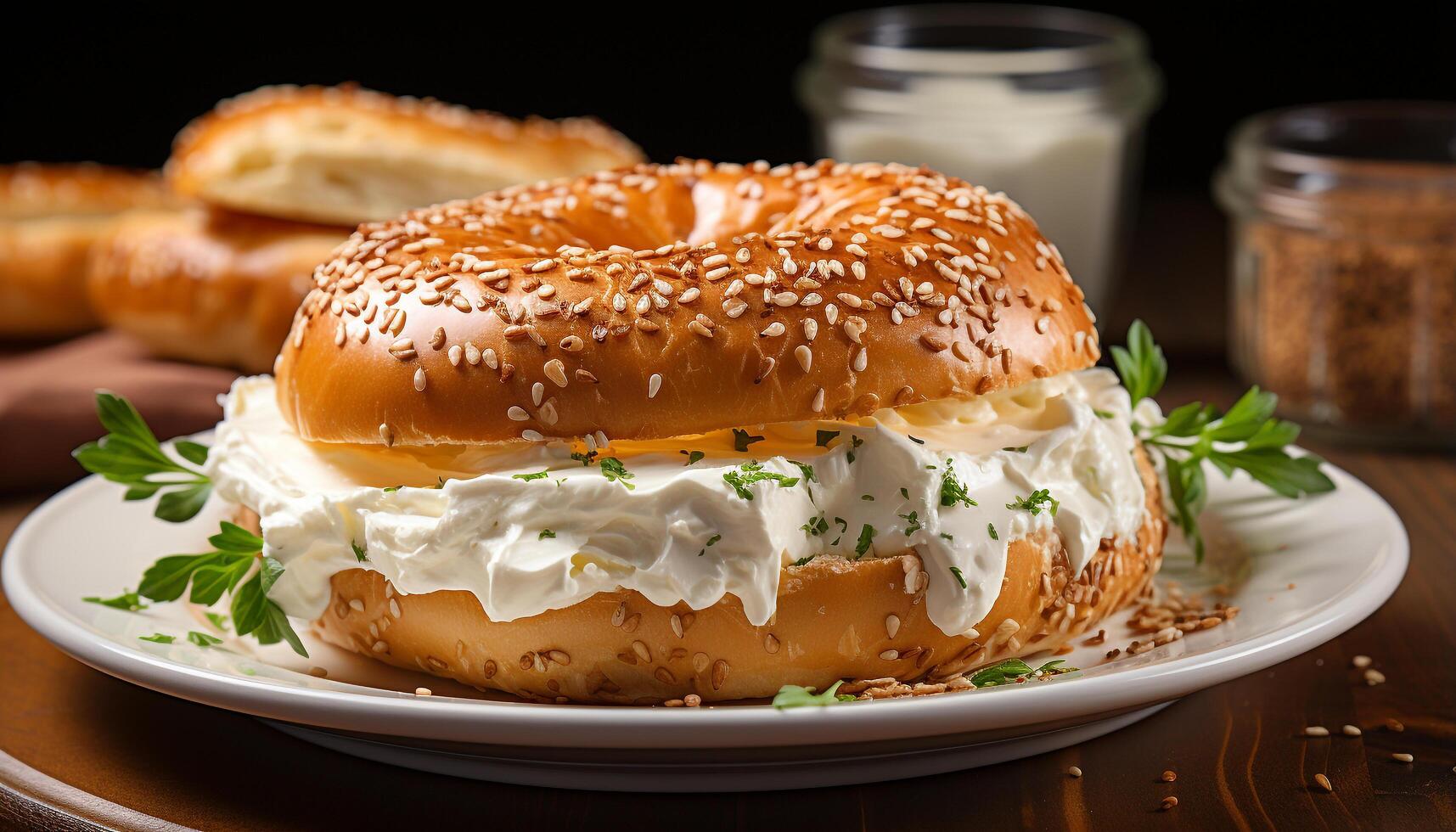
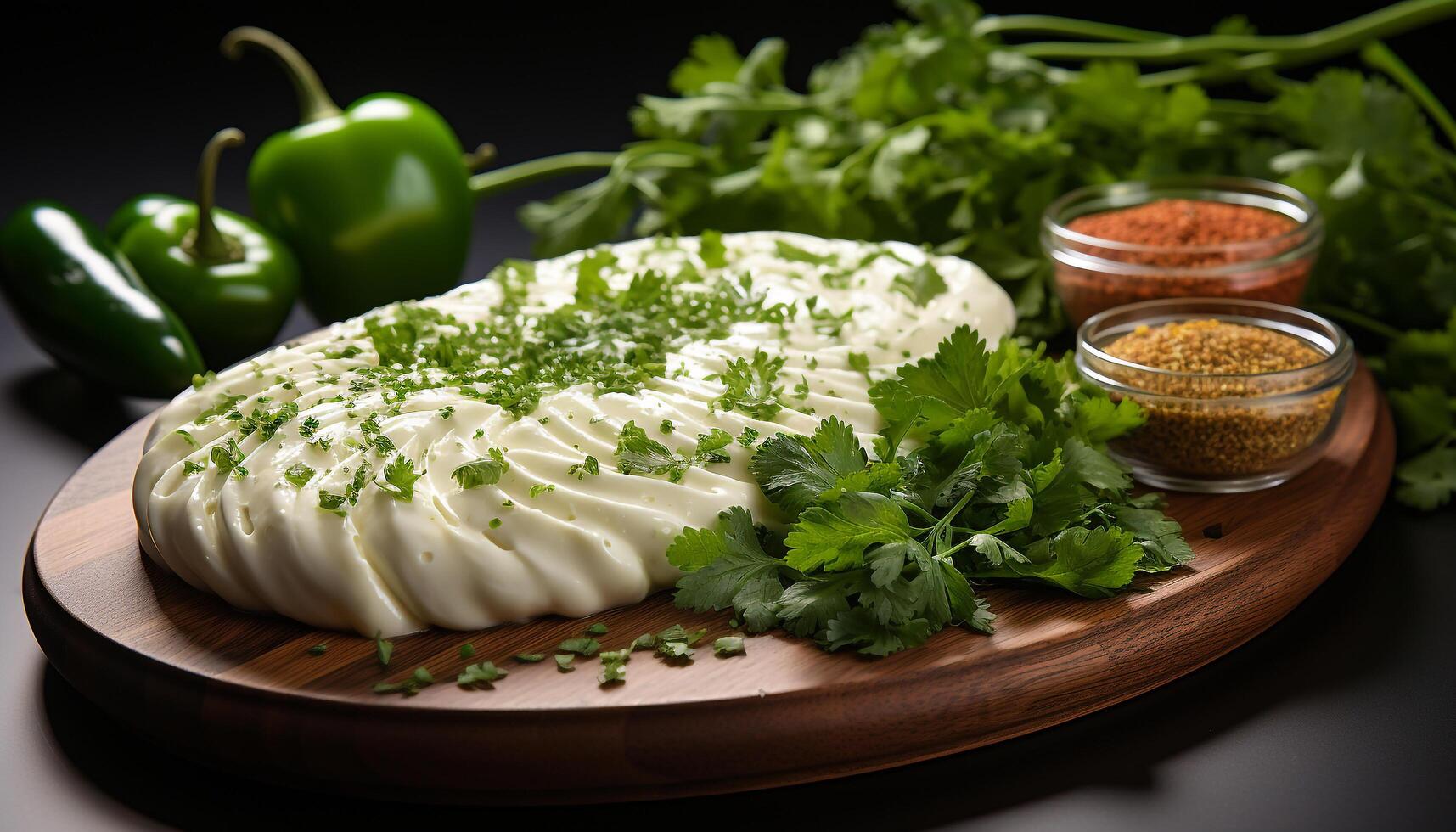
Yes, cream cheese is typically gluten-free. It’s made from milk and cream, which do not contain gluten, but it’s always best to check the label of specific brands for any added ingredients that might contain gluten.
Quick Tips
1Good source of protein
2Contains calcium, which is essential for bone health
3Provides vitamin A, important for eye health and immune function
# In This Article
3 sectionsQuick navigation to each section of this article:
Benefits of Cream cheese
| Benefits of Cream cheese |
|---|
| Good source of protein |
| Contains calcium, which is essential for bone health |
| Provides vitamin A, important for eye health and immune function |
| Contains riboflavin (vitamin B2), necessary for energy production |
| Offers probiotics in some varieties, which can support gut health |
| Cream cheese is a source of several antioxidants that defend your body against cell damage. |
| Cream cheese contains small amounts of carotenoid antioxidants which are important for eye health.Remember that while cream cheese does offer some nutritional benefits, it is also high in calories and saturated fat, so it should be consumed in moderation as part of a balanced diet. |
Who should avoid Cream cheese
| Who should avoid Cream cheese |
|---|
| People with dairy allergies or lactose intolerance |
| Those following a vegan or plant-based diet |
| Individuals on a low-fat diet, as cream cheese is high in saturated fat |
| People with high cholesterol levels, due to its saturated fat content |
| Those trying to lose weight, as cream cheese is calorie-dense |
| Individuals with a history of heart disease or at high risk for cardiovascular issues |
| People following a kosher diet, if the cream cheese is not certified kosher |
| Those with certain gastrointestinal conditions that are aggravated by high-fat foods |
| Individuals with a casein allergy (a protein found in milk products) |
| People on certain medications that interact negatively with high-fat dairy products |
| Those following specific diets that restrict dairy or high-fat foods |
| Individuals with a compromised immune system, if consuming unpasteurized cream cheeseRemember, it’s always best to consult with a healthcare professional or registered dietitian for personalized dietary advice. |
Related Gluten Free Products
Here are five similar gluten-free options to cream cheese:
| Related Gluten Free Products |
|---|
| Ricotta cheese- A soft, creamy Italian cheese made from whey- Has a slightly sweet flavor and grainy texture- Can be used in both sweet and savory dishes |
| Mascarpone- An Italian cream cheese with a higher fat content than regular cream cheese- Ultra-smooth and rich texture with a mild, slightly sweet flavor- Often used in desserts like tiramisu and as a spread |
| Greek yogurt- A thick, strained yogurt with a tangy flavor- Higher in protein and lower in fat than cream cheese- Can be used as a healthier substitute in many recipes calling for cream cheese |
| Cottage cheese- A fresh cheese made from curds of cow's milk- Has a mild flavor and lumpy texture- Available in various fat contents and can be blended smooth for a cream cheese-like consistency |
| Cashew cheese- A vegan alternative made from blended cashews- Can be flavored and cultured to mimic cream cheese- Dairy-free and suitable for those with lactose intolerance or following a plant-based diet |
Health Information
? Frequently Asked Questions
2 questions1 Is Philadelphia cream cheese gluten-free?
2 Is Walmart cream cheese gluten-free?
Our Expert
Drs. Ilse van Asperen
Orthomolecular Therapist, Nutritional Coach & Professional Editor
Drs. Ilse van Asperen is a medical doctor specialising in orthomolecular therapy and nutritional coaching. With a background in public and clinical health research and management, she focuses on addressing the root causes of health issues through diet, gut health, and stress reduction. As a professional editor for Little Helpers, she reviews all gluten-free content to ensure accuracy, safety, and scientific credibility. Read more on Drs. Ilse van Asperen's own website
Our Sources
The information on this page is based on reputable health and nutrition organisations, ensuring accuracy and reliability for anyone following a gluten-free diet. For further details, see the sources below.