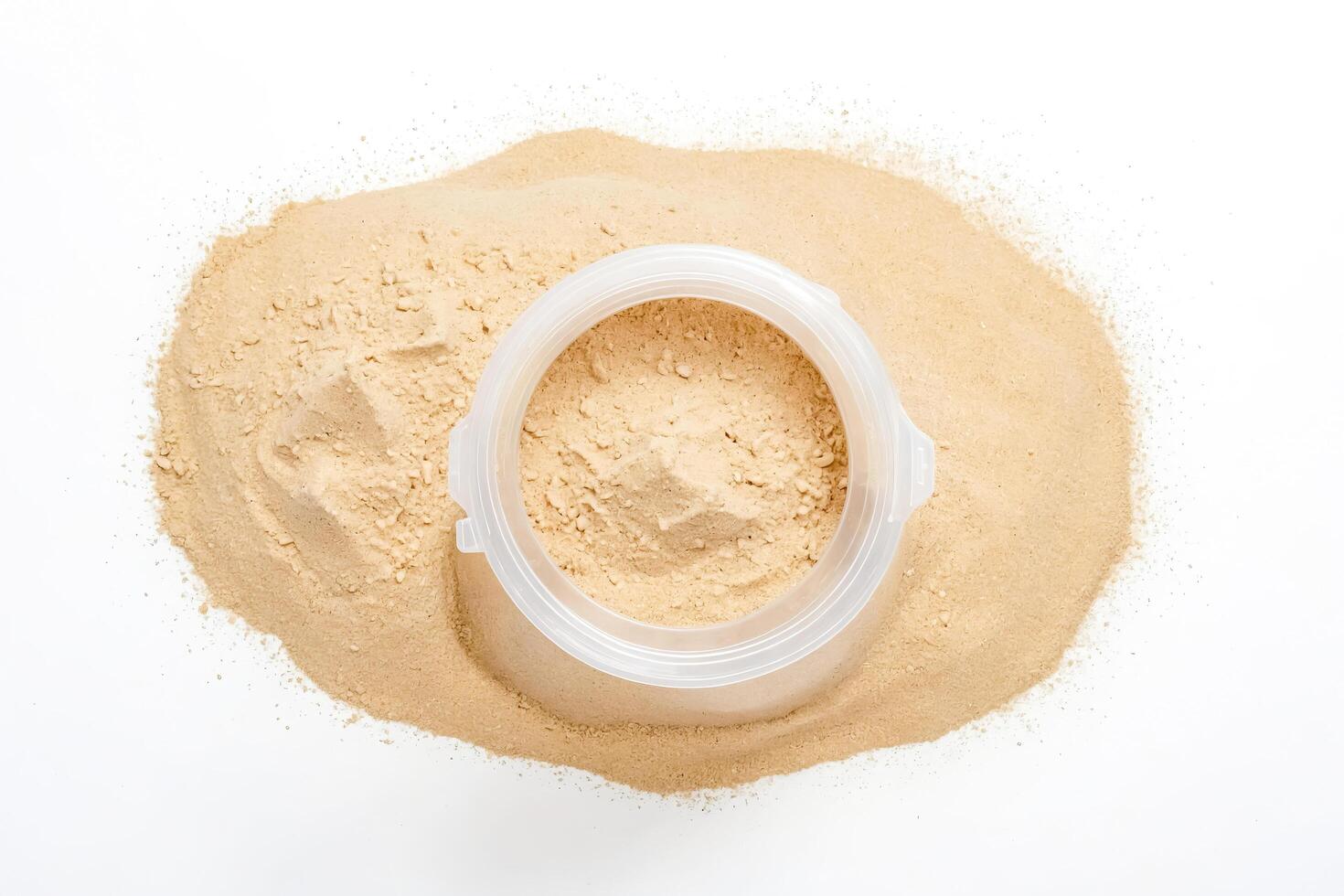
Is Cultured Whey Gluten Free?

Is Cultured Whey Gluten Free?

Cultured whey itself is typically gluten-free, as it is derived from milk and does not naturally contain gluten. However, it’s always important to check the specific product label or with the manufacturer, as some cultured whey products may be processed in facilities that also handle gluten-containing ingredients, potentially leading to cross-contamination.

TL;DR

Cultured whey itself is typically gluten-free, as it is derived from milk and does not naturally contain gluten. However, it’s always important to check the specific product label or with the manufacturer, as some cultured whey products may be processed in facilities that also handle gluten-containing ingredients, potentially leading to cross-contamination.

Quick Tips

1

Improved digestion: Contains probiotics that support gut health and may ease digestive issues

2

Enhanced nutrient absorption: The fermentation process can make nutrients more bioavailable

3

Boosted immune system: Probiotics in cultured whey may help strengthen the immune system

# In This Article

3 sections

Quick navigation to each section of this article:

1 Benefits of Cultured Whey

Improved digestion: Contains probiotics that support gut health and may ease digestive issues

Jump
2 Who should avoid Cultured Whey

Individuals with dairy allergies or severe lactose intolerance

Jump
3 Related Gluten Free Products

Here are five similar gluten-free options like Cultured Whey, along with short descriptions for each product:

Jump

Benefits of Cultured Whey

Benefits of Cultured Whey
Improved digestion: Contains probiotics that support gut health and may ease digestive issues
Enhanced nutrient absorption: The fermentation process can make nutrients more bioavailable
Boosted immune system: Probiotics in cultured whey may help strengthen the immune system
Increased protein content: Fermentation can slightly increase the protein content of whey
Reduced lactose: The fermentation process breaks down some of the lactose, making it easier for lactose-sensitive individuals to digest
Source of essential amino acids: Provides all nine essential amino acids needed for various bodily functions
Potential weight management aid: High protein content may help with satiety and metabolism
Muscle recovery support: Contains branched-chain amino acids (BCAAs) that aid in muscle repair and growth
Bone health: Rich in calcium and other minerals that support bone density
Antioxidant properties: Contains compounds that may help fight oxidative stress in the body
Blood sugar regulation: May help stabilize blood sugar levels due to its protein content
Cardiovascular health: Some studies suggest it may help lower blood pressure and reduce cholesterolRemember that while these benefits are associated with cultured whey, individual results may vary, and it’s always best to consult with a healthcare professional before making significant changes to your diet.

Who should avoid Cultured Whey

Who should avoid Cultured Whey
Individuals with dairy allergies or severe lactose intolerance
People with milk protein allergies
Those following a strict vegan diet
Individuals with compromised immune systems, as some cultured products may contain live bacteria
People taking certain medications that may interact with probiotics (consult a healthcare provider)
Anyone with a history of adverse reactions to fermented dairy products
Those with specific medical conditions that require limiting protein intake
Individuals who have been advised by their doctor to avoid probiotic-rich foods
People with histamine intolerance, as fermented foods can be high in histamines
Anyone with a sensitivity to whey protein
Those with certain gastrointestinal disorders, unless approved by a healthcare professional
Infants and young children, unless recommended by a pediatricianAlways consult with a healthcare provider before adding new dietary supplements or making significant changes to your diet, especially if you have any underlying health conditions or concerns.
ENJOY YOUR FAVORITE FOODS FEARLESSLY!
Don’t let gluten hold you back. Take Anti-Gluten Pills before your meal and enjoy peace of mind.
SHOP ANTI-GLUTEN PILLS
Clinically proven · Up to 86% gluten reduction · Fast acting

Here are five similar gluten-free options like Cultured Whey, along with short descriptions for each product:

Related Gluten Free Products
Kefir:A fermented milk drink made using kefir grains. It's rich in probiotics, vitamins, and minerals, offering a tangy flavor and creamy texture. Kefir is known for its potential digestive and immune system benefits.
Kombucha:A fermented tea beverage that contains probiotics, antioxidants, and organic acids. It has a slightly fizzy, tart taste and is often flavored with fruits or herbs. Kombucha is praised for its potential gut health and detoxification properties.
Coconut Water Kefir:A dairy-free alternative to traditional kefir, made by fermenting coconut water with kefir grains. It's rich in probiotics and electrolytes, offering a refreshing and slightly effervescent drink suitable for those with lactose intolerance.
Apple Cider Vinegar (with "the mother"):An unpasteurized, fermented apple juice product containing beneficial bacteria and enzymes. It's known for its potential health benefits, including aiding digestion and supporting weight management. It can be diluted in water or used in cooking.
Kvass:A traditional Slavic fermented beverage typically made from rye bread, but gluten-free versions use beets or other vegetables. It's rich in probiotics and nutrients, offering a tangy, earthy flavor. Kvass is believed to support digestive health and liver function.

Health Information

? Frequently Asked Questions

4 questions
1 Can celiacs have whey?
Whey protein is derived from milk and does not naturally contain gluten. However, some whey protein products may be contaminated with gluten during processing or have added ingredients that contain gluten. Celiacs should look for whey protein that is specifically labeled as gluten-free to ensure safety. It's always best for individuals with celiac disease to consult their doctor or dietitian before adding any new food or supplement to their diet.
2 What is cultured whey powder?
Cultured whey powder is a dairy ingredient derived from the whey protein that remains after cheese production. It undergoes a fermentation process using specific bacterial cultures, which enhances its flavor profile and nutritional value. The resulting product is then dried into a powder form for easier storage and use. Cultured whey powder is commonly used in food manufacturing as a flavoring agent, nutritional supplement, or functional ingredient in various products.
3 Is whey the same as wheat?
No, whey and wheat are not the same thing. Whey is a liquid byproduct of cheese production, derived from milk. Wheat, on the other hand, is a cereal grain used to make flour and other food products. They have different origins, nutritional profiles, and uses in food preparation.
4 Can celiacs drink protein shakes?
Celiacs can drink protein shakes, but they need to be careful about the ingredients. Many protein shakes are gluten-free, especially those made from whey, egg, or plant-based proteins. However, some protein powders may contain gluten or be processed in facilities that handle gluten-containing products. It's crucial for celiacs to carefully read labels and choose protein shakes that are certified gluten-free to ensure their safety.
LIVE GLUTEN-FREE WITHOUT THE FUSS!
Introducing Tolerase® G, clinically proven to reduce up to 86% of gluten in under 10 minutes. Experience the freedom to eat what you love.
SHOP ANTI-GLUTEN PILLS
150mg pure Tolerase® G · Reduces gluten by 86% · Under 10 minutes

Our Expert

Drs. Ilse van Asperen, Orthomolecular Therapist and Nutritional Coach

Drs. Ilse van Asperen

Orthomolecular Therapist, Nutritional Coach & Professional Editor

Drs. Ilse van Asperen is a medical doctor specialising in orthomolecular therapy and nutritional coaching. With a background in public and clinical health research and management, she focuses on addressing the root causes of health issues through diet, gut health, and stress reduction. As a professional editor for Little Helpers, she reviews all gluten-free content to ensure accuracy, safety, and scientific credibility. Read more on Drs. Ilse van Asperen's own website

Our Sources

The information on this page is based on reputable health and nutrition organisations, ensuring accuracy and reliability for anyone following a gluten-free diet. For further details, see the sources below.
Sources

Similar Articles

Back to blog