Share
TL;DR
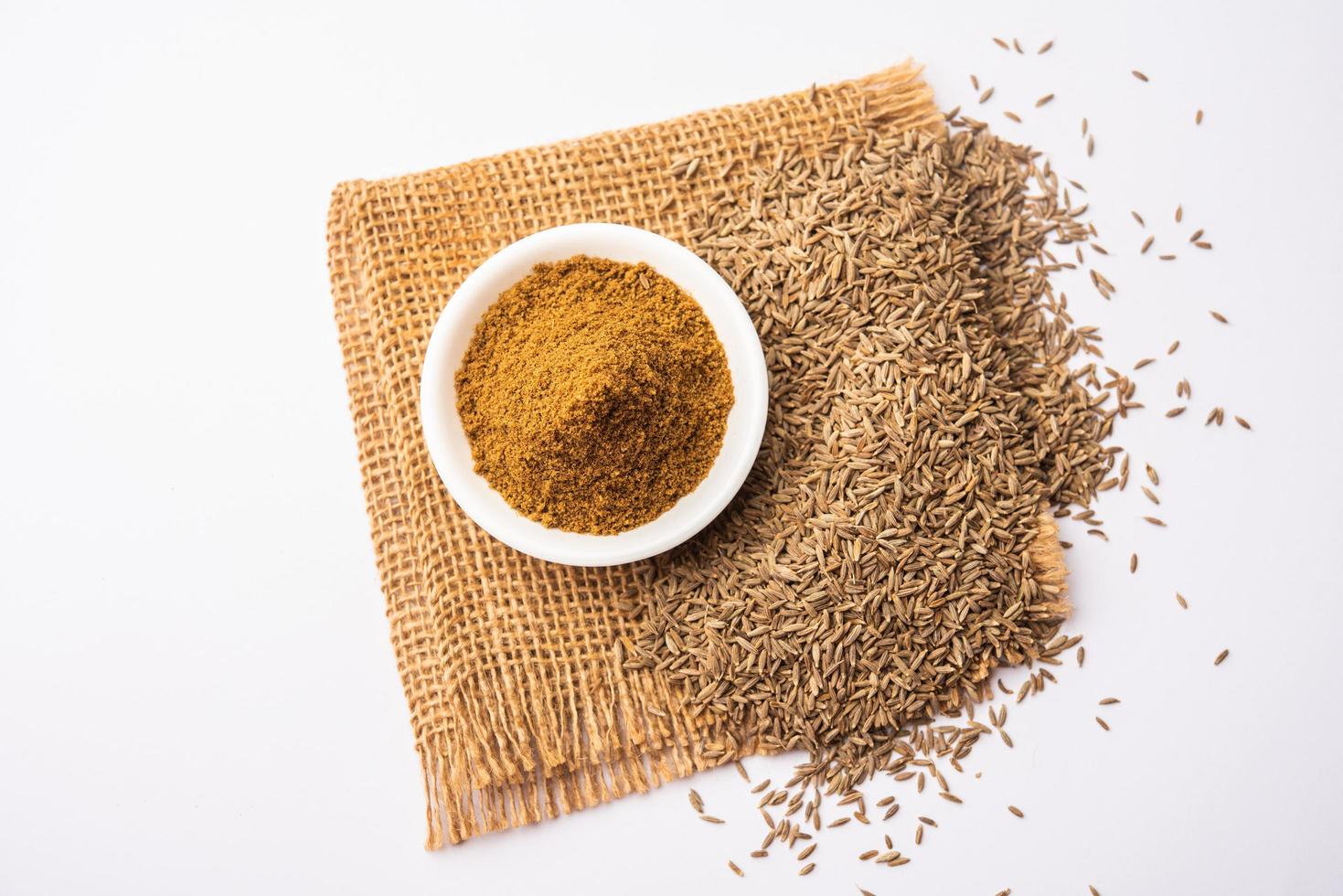
Yes, cumin is naturally gluten-free. As a seed-based spice, cumin does not contain any gluten proteins, making it safe for those with celiac disease or gluten sensitivity to consume.
Quick Tips
1Rich in antioxidants, which help fight free radicals and reduce inflammation
2May aid in digestion and relieve digestive issues like bloating and gas
3Potential to improve blood sugar control and insulin sensitivity
# In This Article
3 sectionsQuick navigation to each section of this article:
1 Benefits of Cumin
Rich in antioxidants, which help fight free radicals and reduce inflammation
Jump2 Who should avoid Cumin
Individuals with cumin allergies or sensitivities
Jump3 Related Gluten Free Products
Here are five gluten-free options similar to cumin, along with short descriptions:
JumpBenefits of Cumin
| Benefits of Cumin |
|---|
| Rich in antioxidants, which help fight free radicals and reduce inflammation |
| May aid in digestion and relieve digestive issues like bloating and gas |
| Potential to improve blood sugar control and insulin sensitivity |
| May help lower cholesterol levels and promote heart health |
| Contains iron, which can help prevent anemia and boost energy levels |
| Possesses antimicrobial properties that may help fight certain bacteria and fungi |
| May support weight loss efforts by increasing metabolism and reducing fat cells |
| Could help improve memory and cognitive function |
| May have anti-cancer properties, particularly against colon cancer cells |
| Supports immune system function due to its vitamin C content |
| Can help relieve respiratory issues and asthma symptoms |
| May reduce symptoms of irritable bowel syndrome (IBS) |
| Potential to improve bone density due to its calcium and magnesium content |
| Could help regulate blood pressure due to its potassium content |
| May have pain-relieving properties, particularly for arthritis and headachesRemember that while cumin has many potential health benefits, it’s always best to consult with a healthcare professional before using it as a treatment for any specific condition. |
Who should avoid Cumin
| Who should avoid Cumin |
|---|
| Individuals with cumin allergies or sensitivities |
| People taking blood-thinning medications (e.g., warfarin), as cumin may interact with these drugs |
| Those with bleeding disorders, as cumin may slow blood clotting |
| Individuals scheduled for surgery within two weeks, due to cumin’s potential effect on blood clotting |
| People with low blood sugar or diabetes, as cumin may lower blood sugar levels |
| Those with stomach ulcers or other gastrointestinal issues, as cumin may increase stomach acid production |
| Pregnant women, who should consult their healthcare provider before consuming large amounts of cumin |
| Individuals with iron deficiency, as cumin may interfere with iron absorption |
| People with kidney stones, as cumin is high in oxalates which can contribute to stone formation |
| Those with a history of seizures, as large amounts of cumin may potentially lower the seizure thresholdAlways consult with a healthcare professional before making significant changes to your diet or if you have concerns about consuming cumin. |
Related Gluten Free Products
Here are five gluten-free options similar to cumin, along with short descriptions:
| Related Gluten Free Products |
|---|
| Caraway seeds: These small, crescent-shaped seeds have a mild anise flavor with hints of citrus. They're commonly used in European cuisine and pair well with cabbage and pork dishes. |
| Coriander seeds: The dried seeds of the cilantro plant, coriander has a warm, nutty, and slightly citrusy flavor. It's widely used in Indian, Middle Eastern, and Latin American cooking. |
| Fennel seeds: With a sweet, licorice-like taste, fennel seeds are popular in Mediterranean and Indian cuisines. They're often used in sausages, fish dishes, and bread. |
| Anise seeds: These small seeds have a strong licorice flavor and are used in both sweet and savory dishes. They're common in Middle Eastern, Italian, and German cooking. |
| Nigella seeds: Also known as black cumin or kalonji, these small black seeds have a slightly bitter, oregano-like taste with hints of onion. They're often used in Indian and Middle Eastern cuisine, particularly in naan bread and curries.All of these options are naturally gluten-free and can add interesting flavors to various dishes while accommodating gluten-free diets. |
Health Information
? Frequently Asked Questions
4 questions1 What spices are not gluten free?
2 Is cumin seasoning gluten free?
3 Is McCormick cumin gluten free?
4 Is Great Value ground cumin gluten free?
Our Expert
Drs. Ilse van Asperen
Orthomolecular Therapist, Nutritional Coach & Professional Editor
Drs. Ilse van Asperen is a medical doctor specialising in orthomolecular therapy and nutritional coaching. With a background in public and clinical health research and management, she focuses on addressing the root causes of health issues through diet, gut health, and stress reduction. As a professional editor for Little Helpers, she reviews all gluten-free content to ensure accuracy, safety, and scientific credibility. Read more on Drs. Ilse van Asperen's own website
Our Sources
The information on this page is based on reputable health and nutrition organisations, ensuring accuracy and reliability for anyone following a gluten-free diet. For further details, see the sources below.