Is Curry Gluten Free?

Is Curry Gluten Free?

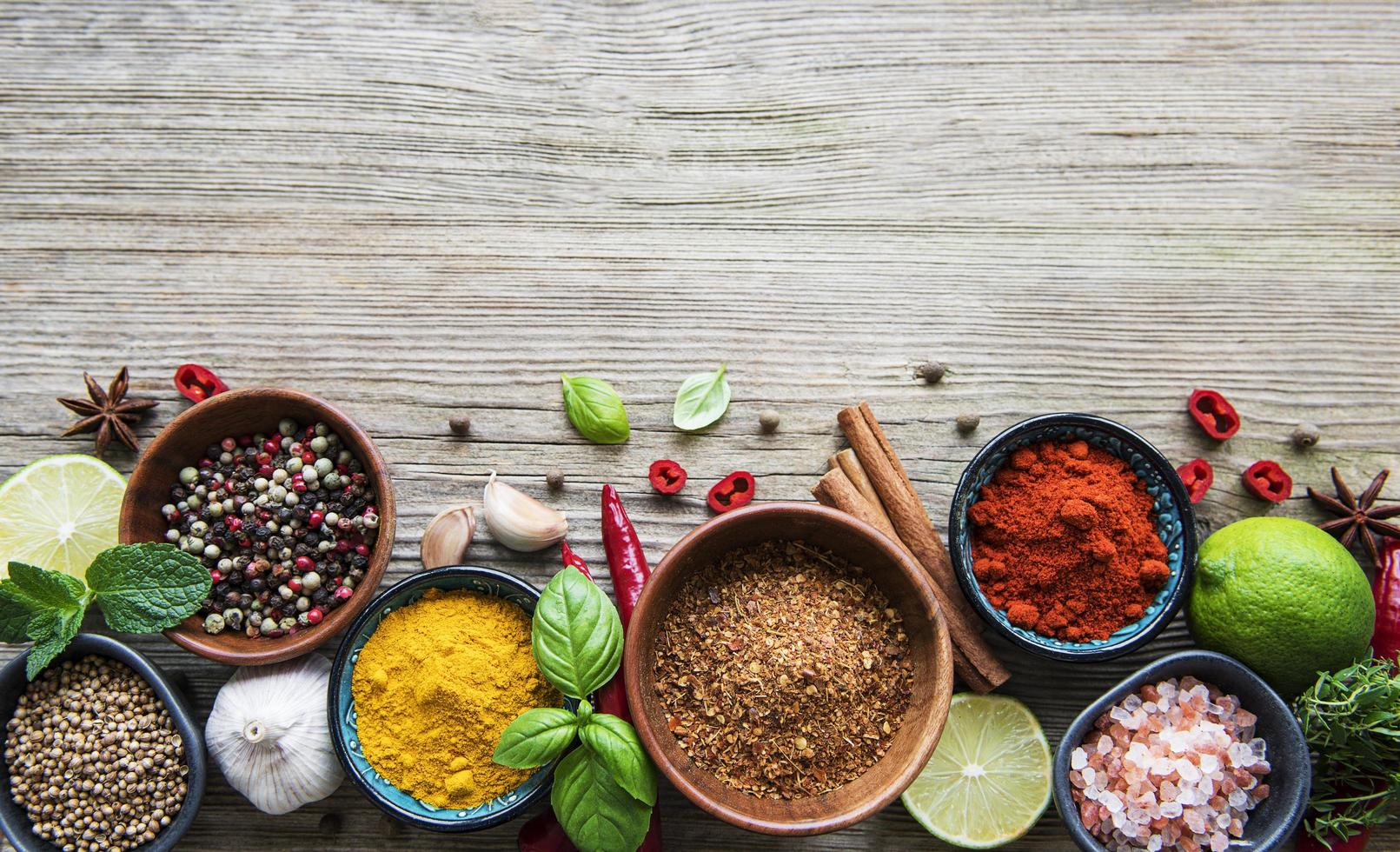
Generally, curry itself is gluten-free as it’s typically made from a blend of spices. However, some pre-made curry sauces or mixes may contain gluten-containing ingredients, so it’s important to check labels or make your own curry from scratch if you have gluten sensitivities.

TL;DR

Generally, curry itself is gluten-free as it’s typically made from a blend of spices. However, some pre-made curry sauces or mixes may contain gluten-containing ingredients, so it’s important to check labels or make your own curry from scratch if you have gluten sensitivities.

Quick Tips

1

Anti-inflammatory properties: Many curry spices, especially turmeric, have potent anti-inflammatory effects.

2

Antioxidant-rich: Curry spices are high in antioxidants, which help protect cells from damage.

3

Digestive aid: Spices like cumin and coriander can help improve digestion and reduce bloating.

# In This Article

3 sections

Quick navigation to each section of this article:

1 Benefits of Curry

Anti-inflammatory properties: Many curry spices, especially turmeric, have potent anti-inflammatory effects.

Jump
2 Who should avoid Curry

Those with severe allergies to common curry ingredients (e. g.

Jump
3 Related Gluten Free Products

Here are five gluten-free options similar to curry, along with short descriptions:

Jump

Benefits of Curry

Benefits of Curry
Anti-inflammatory properties: Many curry spices, especially turmeric, have potent anti-inflammatory effects.
Antioxidant-rich: Curry spices are high in antioxidants, which help protect cells from damage.
Digestive aid: Spices like cumin and coriander can help improve digestion and reduce bloating.
Potential cancer-fighting properties: Some studies suggest that compounds in curry spices may help prevent or slow the growth of certain cancers.
Heart health: Curry may help lower cholesterol and reduce the risk of heart disease.
Brain function: Curcumin in turmeric may help improve memory and cognitive function.
Pain relief: The anti-inflammatory properties can help alleviate joint pain and arthritis symptoms.
Immune system boost: Many curry spices have antimicrobial properties and can support overall immune function.
Blood sugar regulation: Some spices in curry may help control blood sugar levels.
Weight management: The metabolism-boosting properties of some spices can aid in weight loss efforts.
Mood enhancement: Certain compounds in curry spices may help alleviate symptoms of depression.
Skin health: The antioxidants in curry can contribute to healthier, more radiant skin.Remember that the health benefits can vary depending on the specific spices used in the curry and their quantities.

Who should avoid Curry

Who should avoid Curry
Those with severe allergies to common curry ingredients (e.g., turmeric, cumin, coriander)
Individuals with gastroesophageal reflux disease (GERD) or acid reflux, as spicy foods can exacerbate symptoms
People with irritable bowel syndrome (IBS) who are sensitive to spicy foods
Those with peptic ulcers or other gastrointestinal sensitivities
Individuals on certain medications that interact with spicy foods (e.g., blood thinners)
People with a low spice tolerance who find curry too hot or uncomfortable
Those with oral sores or mouth injuries that may be irritated by spicy foods
Individuals with chronic heartburn who find spicy foods trigger their symptoms
Young children who may find curry too spicy or have trouble digesting it
People recovering from certain gastrointestinal surgeries or procedures, as advised by their doctor
Those with known sensitivities to nightshades if the curry contains ingredients like chili peppersRemember, the suitability of curry can vary greatly depending on the specific ingredients and spice level of the dish. Always consult with a healthcare professional if you have concerns about your diet.
ENJOY YOUR FAVORITE FOODS FEARLESSLY!
Don’t let gluten hold you back. Take Anti-Gluten Pills before your meal and enjoy peace of mind.
SHOP ANTI-GLUTEN PILLS
Clinically proven · Up to 86% gluten reduction · Fast acting

Here are five gluten-free options similar to curry, along with short descriptions:

Related Gluten Free Products
Stir-fry: A quick-cooking Asian dish consisting of bite-sized pieces of meat, vegetables, and sometimes tofu, cooked in a hot wok or pan with oil and various sauces. It's easily customizable and naturally gluten-free when using tamari instead of soy sauce.
Thai coconut soup (Tom Kha): A creamy, aromatic soup made with coconut milk, lemongrass, galangal, kaffir lime leaves, and protein like chicken or shrimp. It's naturally gluten-free and offers a balance of sweet, sour, and spicy flavors.
Fajitas: A Tex-Mex dish featuring grilled meat (usually beef or chicken) with peppers and onions, served with corn tortillas, guacamole, and salsa. When prepared without additives, fajitas are naturally gluten-free and customizable.
Tagine: A North African slow-cooked stew named after the conical pot it's traditionally prepared in. It typically includes meat, vegetables, and aromatic spices, creating a flavorful, gluten-free meal when served with rice or gluten-free couscous.
Bibimbap: A Korean rice bowl topped with an assortment of sautéed vegetables, meat or tofu, and a fried egg, often served with gochujang (red chili paste). It's naturally gluten-free when using tamari instead of soy sauce and checking the gochujang ingredients.

Health Information

? Frequently Asked Questions

4 questions
1 Are curries gluten-free?
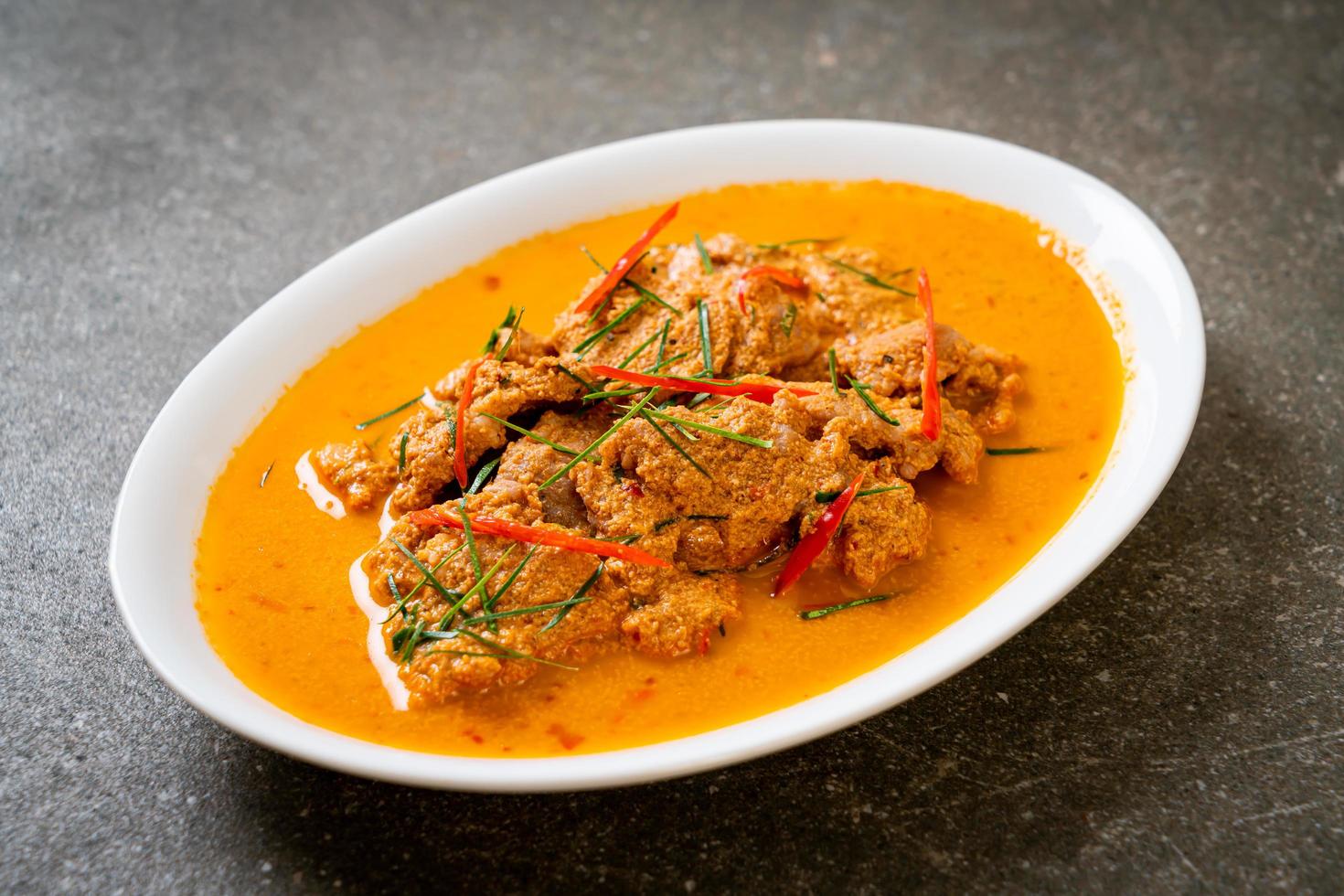
Curries themselves are typically gluten-free. However, some curry powders or pastes may contain gluten-containing ingredients, so it's important to check labels. Additionally, curries served with wheat-based accompaniments like naan bread or served over wheat noodles would not be gluten-free. Always confirm ingredients and preparation methods if you have gluten sensitivities or celiac disease.
2 Does curry powder have gluten in it?
Curry powder itself is typically gluten-free. It is usually a blend of various ground spices like turmeric, cumin, coriander, and others. However, some commercial curry powder blends may contain additives or anti-caking agents that could potentially contain gluten. To be certain, it's best to check the ingredient list or look for a certified gluten-free label when purchasing curry powder.
3 What Indian meals are gluten-free?
Many traditional Indian dishes are naturally gluten-free. Rice-based meals like biryani, pulao, and dosas are excellent gluten-free options. Lentil dishes such as dal, and vegetable curries made without wheat-based thickeners are also safe choices. Additionally, meat and seafood curries, as well as tandoori dishes, are typically gluten-free when not accompanied by bread.
4 Is Thai curry usually gluten-free?
Thai curry is often naturally gluten-free. The main ingredients in Thai curry paste and coconut milk-based curries are typically free from gluten. However, some pre-made curry pastes or sauces may contain gluten-containing additives. It's always best to check labels or ask about ingredients when dining out to ensure a dish is truly gluten-free.
LIVE GLUTEN-FREE WITHOUT THE FUSS!
Introducing Tolerase® G, clinically proven to reduce up to 86% of gluten in under 10 minutes. Experience the freedom to eat what you love.
SHOP ANTI-GLUTEN PILLS
150mg pure Tolerase® G · Reduces gluten by 86% · Under 10 minutes

Our Expert

Drs. Ilse van Asperen, Orthomolecular Therapist and Nutritional Coach

Drs. Ilse van Asperen

Orthomolecular Therapist, Nutritional Coach & Professional Editor

Drs. Ilse van Asperen is a medical doctor specialising in orthomolecular therapy and nutritional coaching. With a background in public and clinical health research and management, she focuses on addressing the root causes of health issues through diet, gut health, and stress reduction. As a professional editor for Little Helpers, she reviews all gluten-free content to ensure accuracy, safety, and scientific credibility. Read more on Drs. Ilse van Asperen's own website

Our Sources

The information on this page is based on reputable health and nutrition organisations, ensuring accuracy and reliability for anyone following a gluten-free diet. For further details, see the sources below.
Sources

Similar Articles

Back to blog