Is Fried Food Gluten Free?

Is Fried Food Gluten Free?

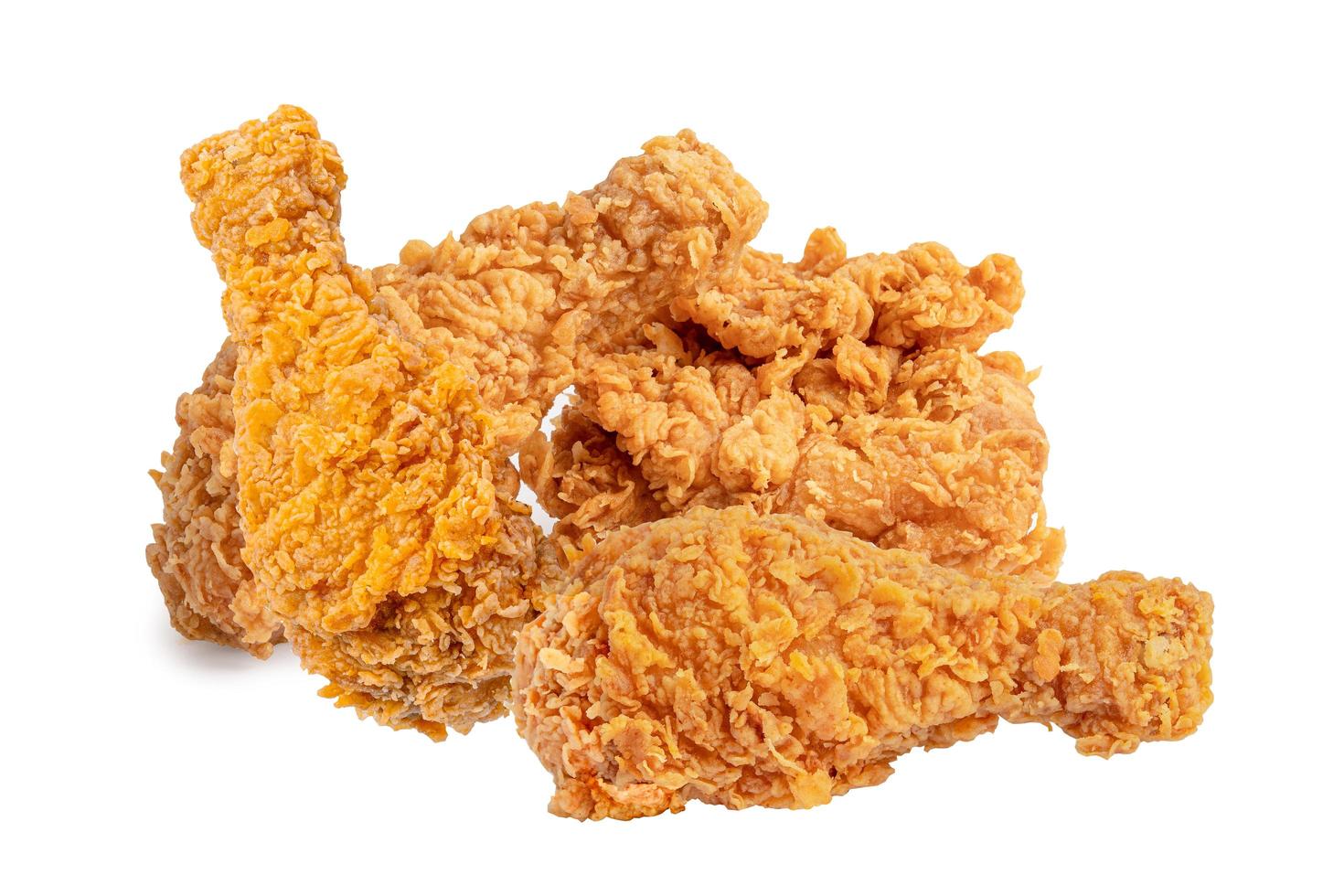
Fried food is not inherently gluten-free, as it depends on the ingredients used in the batter or coating. While some fried foods may be gluten-free if they use alternatives like cornstarch or rice flour, many traditional batters contain wheat flour, which does contain gluten.

TL;DR

Fried food is not inherently gluten-free, as it depends on the ingredients used in the batter or coating. While some fried foods may be gluten-free if they use alternatives like cornstarch or rice flour, many traditional batters contain wheat flour, which does contain gluten.

Quick Tips

1

Improved mood: Eating fried foods can trigger the release of dopamine, providing temporary feelings of pleasure and satisfaction.

2

Increased calorie intake: For underweight individuals or those with high caloric needs, fried foods can help meet energy requirements.

3

Enhanced flavor: Frying can make certain foods more palatable, potentially increasing the consumption of otherwise nutritious ingredients.

# In This Article

3 sections

Quick navigation to each section of this article:

1 Benefits of Fried Food

Improved mood: Eating fried foods can trigger the release of dopamine, providing temporary feelings of pleasure and satisfaction.

Jump
2 Who should avoid Fried Food

People with heart disease or at high risk for cardiovascular problems

Jump
3 Gluten Free Alternatives

Here are five gluten-free alternatives to fried foods, along with short descriptions:

Jump

Benefits of Fried Food

Benefits of Fried Food
Improved mood: Eating fried foods can trigger the release of dopamine, providing temporary feelings of pleasure and satisfaction.
Increased calorie intake: For underweight individuals or those with high caloric needs, fried foods can help meet energy requirements.
Enhanced flavor: Frying can make certain foods more palatable, potentially increasing the consumption of otherwise nutritious ingredients.
Preservation of some nutrients: Frying can help retain some water-soluble vitamins in foods that might be lost through other cooking methods.
Cultural significance: In some cultures, traditional fried foods play an important role in social bonding and cultural identity.
Source of essential fats: When fried in healthy oils, foods can provide essential fatty acids.
Improved absorption of fat-soluble vitamins: Frying in oil can enhance the absorption of fat-soluble vitamins (A, D, E, and K) from vegetables.It’s important to note that these potential benefits are generally outweighed by the negative health impacts of regularly consuming fried foods. A balanced diet with minimal fried food intake is recommended for optimal health.

Who should avoid Fried Food

Who should avoid Fried Food
People with heart disease or at high risk for cardiovascular problems
Individuals with high cholesterol levels
Those with high blood pressure
People who are overweight or obese
Diabetics or those at risk for diabetes
Individuals with gallbladder issues or a history of gallstones
People with acid reflux or GERD (Gastroesophageal reflux disease)
Those with inflammatory bowel diseases like Crohn’s disease or ulcerative colitis
Individuals with liver disease or at risk for fatty liver disease
Pregnant women (due to potential risks associated with trans fats)
People with a history of certain cancers, particularly colorectal cancer
Those with pancreatitis or at risk for pancreatic issues
Individuals on specific diets for health reasons (e.g., low-fat diets)
People with a family history of heart disease or stroke
Anyone trying to maintain a healthy lifestyle and reduce overall calorie intakeRemember, while these groups should be especially cautious, it’s generally advisable for everyone to limit their intake of fried foods for optimal health.
ENJOY YOUR FAVORITE FOODS FEARLESSLY!
Don’t let gluten hold you back. Take Anti-Gluten Pills before your meal and enjoy peace of mind.
SHOP ANTI-GLUTEN PILLS
Clinically proven · Up to 86% gluten reduction · Fast acting

Gluten Free Alternatives

Here are five gluten-free alternatives to fried foods, along with short descriptions:

Gluten Free Alternatives
Air-fried foods: Using an air fryer, you can achieve a crispy texture similar to deep-fried foods with little to no oil. Air fryers circulate hot air around the food, creating a crispy exterior while keeping the inside moist.
Baked vegetable chips: Thinly sliced vegetables like sweet potatoes, zucchini, or kale can be baked in the oven until crispy. These provide a satisfying crunch and are a healthier alternative to traditional potato chips.
Grilled or roasted meats and vegetables: Grilling or roasting meats and vegetables can provide a flavorful alternative to fried foods. This cooking method enhances natural flavors and creates a slightly crispy exterior without the need for breading.
Gluten-free breaded and baked foods: Using gluten-free flours (like almond flour or coconut flour) or crushed gluten-free cereals as breading, you can create a crispy coating on foods that are then baked instead of fried.
Dehydrated snacks: Using a food dehydrator or low-temperature oven, you can create crispy fruit and vegetable chips or jerky. This method preserves nutrients and creates a satisfying texture without added oils or gluten-containing ingredients.

Health Information

? Frequently Asked Questions

4 questions
1 Does fried rice have gluten in it?
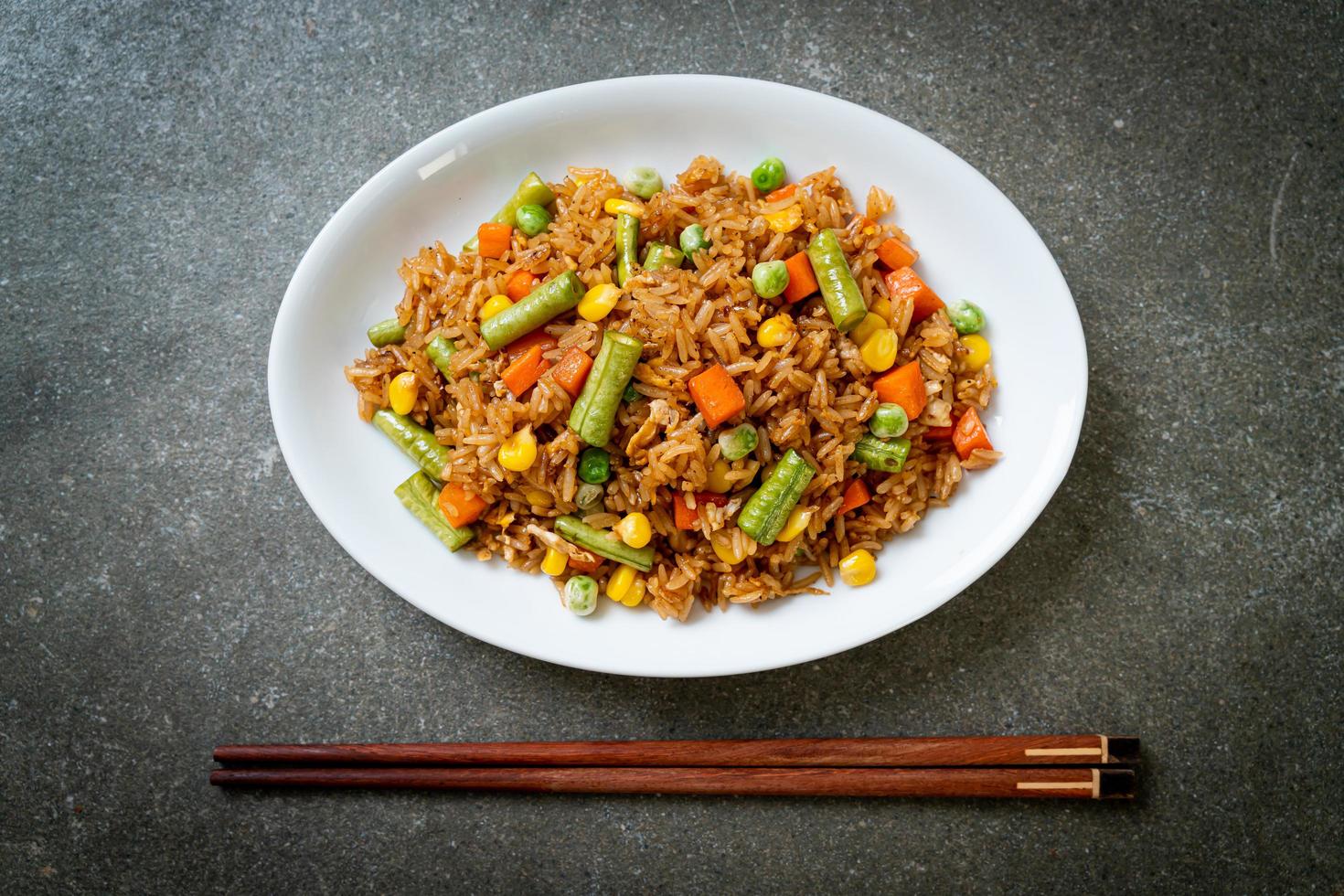
Fried rice can potentially contain gluten, depending on the ingredients used. Traditional soy sauce, which is commonly used in fried rice, typically contains wheat and therefore gluten. Additionally, some fried rice recipes may include other gluten-containing ingredients like barley or wheat-based seasonings. However, it's possible to make gluten-free fried rice by using gluten-free soy sauce and ensuring all other ingredients are gluten-free.
2 Is Chinese rice gluten-free?
Most rice, including Chinese rice, is naturally gluten-free. However, cross-contamination can occur during processing or cooking if the rice comes into contact with gluten-containing ingredients or equipment. It's important to check labels and verify with manufacturers if you have celiac disease or gluten sensitivity. Generally, plain rice from China should be safe for those avoiding gluten, but caution is advised with flavored or processed rice products.
3 Why is egg fried rice not gluten-free?
Egg fried rice is not inherently gluten-free due to several potential factors. The most common issue is the use of soy sauce, which typically contains wheat as a key ingredient. Additionally, some restaurants may use a pre-made seasoning mix for their fried rice that contains gluten-containing ingredients. Cross-contamination in the kitchen can also be a concern, especially if the same cooking surfaces or utensils are used for gluten-containing dishes.
4 What rice is not gluten-free?
All varieties of plain rice are naturally gluten-free. However, certain rice products may contain gluten due to cross-contamination during processing or the addition of gluten-containing ingredients. For example, flavored rice mixes or rice cereals might include gluten-containing additives. Always check the label if you have gluten sensitivity or celiac disease.
LIVE GLUTEN-FREE WITHOUT THE FUSS!
Introducing Tolerase® G, clinically proven to reduce up to 86% of gluten in under 10 minutes. Experience the freedom to eat what you love.
SHOP ANTI-GLUTEN PILLS
150mg pure Tolerase® G · Reduces gluten by 86% · Under 10 minutes

Our Expert

Drs. Ilse van Asperen, Orthomolecular Therapist and Nutritional Coach

Drs. Ilse van Asperen

Orthomolecular Therapist, Nutritional Coach & Professional Editor

Drs. Ilse van Asperen is a medical doctor specialising in orthomolecular therapy and nutritional coaching. With a background in public and clinical health research and management, she focuses on addressing the root causes of health issues through diet, gut health, and stress reduction. As a professional editor for Little Helpers, she reviews all gluten-free content to ensure accuracy, safety, and scientific credibility. Read more on Drs. Ilse van Asperen's own website

Our Sources

The information on this page is based on reputable health and nutrition organisations, ensuring accuracy and reliability for anyone following a gluten-free diet. For further details, see the sources below.
Sources

Similar Articles

Back to blog