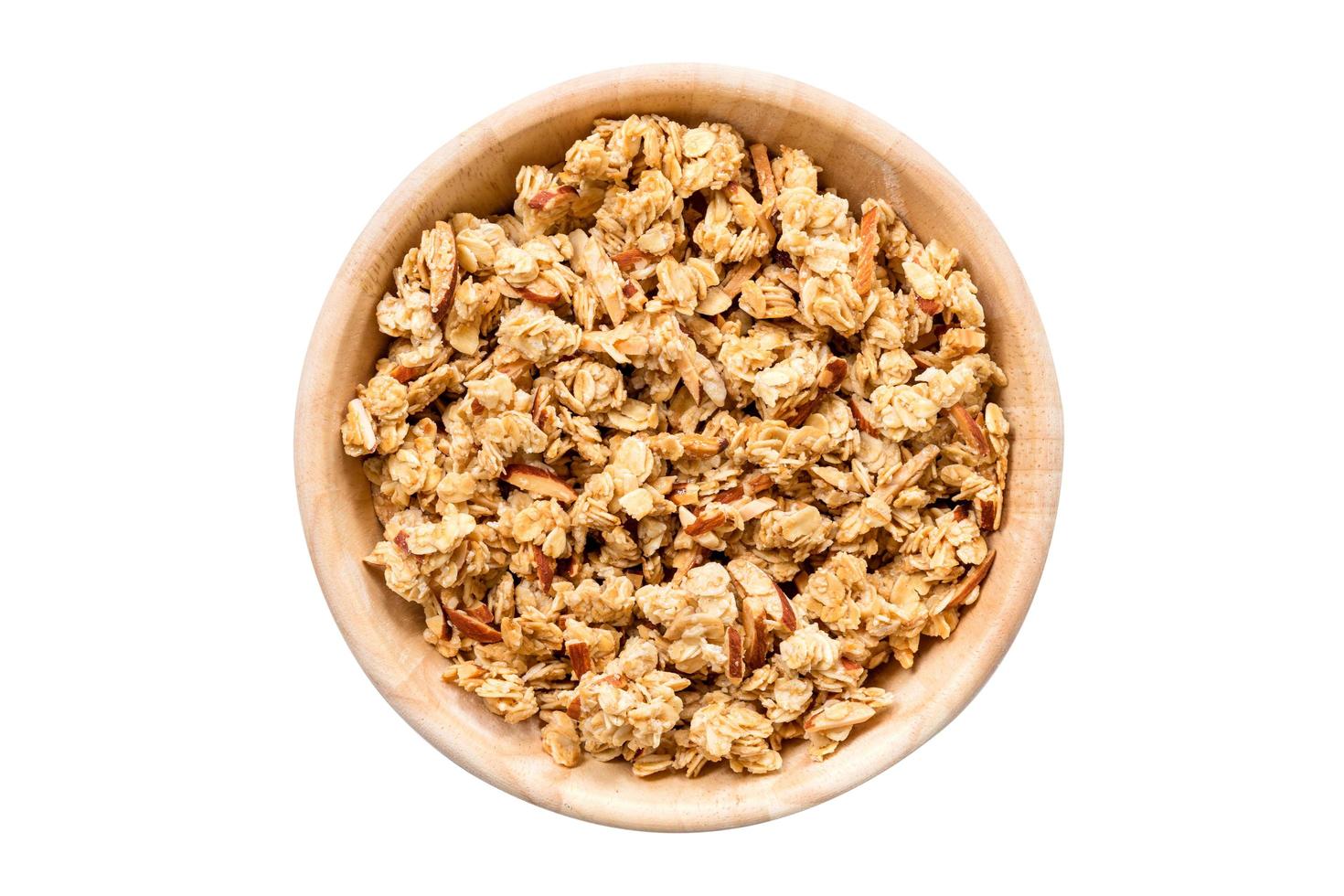
Is Granola Gluten Free?

Is Granola Gluten Free?

Generally, plain granola made from oats is gluten-free, as oats themselves do not contain gluten. However, some granola products may contain gluten due to added ingredients like wheat, barley, or rye, or due to cross-contamination during processing, so it’s important to check labels carefully if you need to avoid gluten.

TL;DR

Generally, plain granola made from oats is gluten-free, as oats themselves do not contain gluten. However, some granola products may contain gluten due to added ingredients like wheat, barley, or rye, or due to cross-contamination during processing, so it’s important to check labels carefully if you need to avoid gluten.

Quick Tips

1

Good source of fiber, which aids digestion and promotes feelings of fullness

2

Rich in complex carbohydrates, providing sustained energy

3

Contains heart-healthy unsaturated fats from nuts and seeds

# In This Article

3 sections

Quick navigation to each section of this article:

1 Benefits of Granola

Good source of fiber, which aids digestion and promotes feelings of fullness

Jump
2 Who should avoid Granola

People with celiac disease or gluten sensitivity (unless the granola is certified gluten-free)

Jump
3 Gluten Free Alternatives

Here are five gluten-free alternatives to granola, along with short descriptions:

Jump

Benefits of Granola

Benefits of Granola
Good source of fiber, which aids digestion and promotes feelings of fullness
Rich in complex carbohydrates, providing sustained energy
Contains heart-healthy unsaturated fats from nuts and seeds
High in protein, especially when made with nuts and seeds
Provides essential vitamins and minerals, such as iron, zinc, vitamin E, and B vitamins
May help lower cholesterol levels due to its oat content
Can be a good source of antioxidants, depending on ingredients like nuts and dried fruits
Supports weight management when consumed in moderation as part of a balanced diet
Versatile and can be customized to include various nutritious ingredients
May help regulate blood sugar levels due to its low glycemic index
Can contribute to bone health when fortified with calcium and vitamin D
Provides a convenient and portable snack option for busy lifestylesRemember that the specific health benefits can vary depending on the ingredients used in the granola, and it’s important to be mindful of added sugars and portion sizes.

Who should avoid Granola

Who should avoid Granola
People with celiac disease or gluten sensitivity (unless the granola is certified gluten-free)
Individuals with nut allergies (many granolas contain nuts)
Those with diverticulitis (during flare-ups, as seeds and nuts can irritate the condition)
People trying to lose weight (granola is often high in calories)
Diabetics or those watching their blood sugar (many granolas are high in sugar)
Individuals on low-carb or ketogenic diets
Those with dental issues or sensitive teeth (granola can be hard and crunchy)
People with irritable bowel syndrome (IBS) who are sensitive to high-fiber foods
Individuals with gallbladder issues (if the granola is high in fat)
Those following a low FODMAP diet (some granola ingredients may be high in FODMAPs)
People with certain gastrointestinal conditions that require a low-fiber dietAlways consult with a healthcare professional or registered dietitian for personalized advice on dietary restrictions.
ENJOY YOUR FAVORITE FOODS FEARLESSLY!
Don’t let gluten hold you back. Take Anti-Gluten Pills before your meal and enjoy peace of mind.
SHOP ANTI-GLUTEN PILLS
Clinically proven · Up to 86% gluten reduction · Fast acting

Gluten Free Alternatives

Here are five gluten-free alternatives to granola, along with short descriptions:

Gluten Free Alternatives
Buckwheat Groats:A nutrient-dense seed that can be toasted and seasoned to create a crunchy, granola-like texture. High in protein and minerals, buckwheat offers a nutty flavor and can be mixed with dried fruits and nuts.
Quinoa Puffs:Light and crispy, quinoa puffs are made from puffed quinoa seeds. They provide a good source of protein and fiber, and can be flavored and combined with other gluten-free ingredients to create a granola-like mix.
Nuts and Seeds Mix:A simple blend of various nuts (like almonds, walnuts, and pecans) and seeds (such as pumpkin, sunflower, and chia) can serve as a nutritious, crunchy alternative to granola. This mix is high in healthy fats and protein.
Roasted Chickpeas:Crunchy and satisfying, roasted chickpeas can be seasoned with various spices to mimic granola flavors. They're high in protein and fiber, making them a filling alternative.
Coconut Chips:Made from thinly sliced coconut meat that's been toasted, coconut chips offer a sweet and crunchy alternative to granola. They can be flavored and mixed with other gluten-free ingredients for added variety and nutrition.

Health Information

? Frequently Asked Questions

4 questions
1 What seasonings are not gluten free?
Many common seasonings are naturally gluten-free, but some may contain gluten due to additives or processing methods. Seasonings that often contain gluten include soy sauce, teriyaki sauce, and some spice blends or mixes. Malt vinegar, made from barley, is not gluten-free. Always check labels carefully, as even seemingly safe seasonings can sometimes contain gluten-based ingredients or be processed in facilities that handle gluten.
2 Is member's mark granulated garlic gluten free?
Member's Mark granulated garlic is generally considered gluten-free. Garlic itself is naturally gluten-free. However, it's always best to check the specific product label for the most up-to-date information. Cross-contamination during processing can sometimes be a concern for those with severe gluten sensitivities.
3 Does garlic have gluten in it?
Garlic does not naturally contain gluten. Gluten is a protein found in wheat, barley, and rye, but not in garlic. Fresh garlic cloves and pure garlic powder are gluten-free. However, some processed garlic products may contain gluten additives, so it's always best to check labels if you have gluten sensitivities.
4 Is McCormick's garlic powder gluten free?
McCormick's garlic powder is generally considered gluten-free. The company states that their pure spices, including garlic powder, do not contain gluten ingredients. However, it's always recommended to check the label for the most up-to-date information. If you have severe gluten sensitivities, you may want to contact McCormick directly for confirmation about their manufacturing processes.
LIVE GLUTEN-FREE WITHOUT THE FUSS!
Introducing Tolerase® G, clinically proven to reduce up to 86% of gluten in under 10 minutes. Experience the freedom to eat what you love.
SHOP ANTI-GLUTEN PILLS
150mg pure Tolerase® G · Reduces gluten by 86% · Under 10 minutes

Our Expert

Drs. Ilse van Asperen, Orthomolecular Therapist and Nutritional Coach

Drs. Ilse van Asperen

Orthomolecular Therapist, Nutritional Coach & Professional Editor

Drs. Ilse van Asperen is a medical doctor specialising in orthomolecular therapy and nutritional coaching. With a background in public and clinical health research and management, she focuses on addressing the root causes of health issues through diet, gut health, and stress reduction. As a professional editor for Little Helpers, she reviews all gluten-free content to ensure accuracy, safety, and scientific credibility. Read more on Drs. Ilse van Asperen's own website

Our Sources

The information on this page is based on reputable health and nutrition organisations, ensuring accuracy and reliability for anyone following a gluten-free diet. For further details, see the sources below.
Sources

Similar Articles

Back to blog