Share
TL;DR
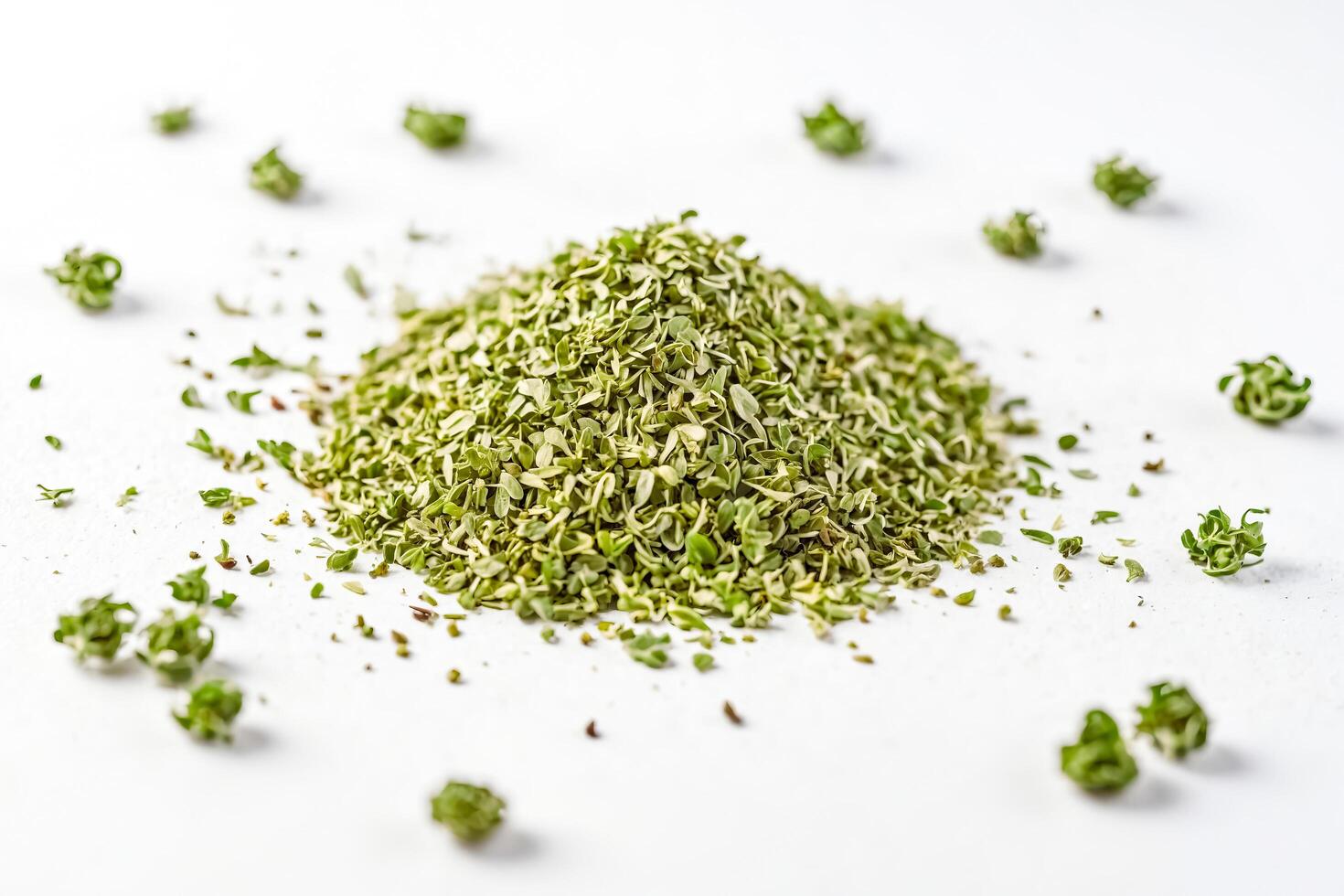
Italian seasoning is typically gluten-free, as it’s usually a blend of dried herbs such as basil, oregano, rosemary, thyme, and sometimes garlic powder or red pepper flakes. However, it’s always best to check the specific product label or contact the manufacturer to confirm, as some brands might include additives or be processed in facilities that also handle gluten-containing products.
Quick Tips
1Rich in antioxidants, which help protect cells from damage caused by free radicals
2Anti-inflammatory properties that may help reduce chronic inflammation in the body
3Potential antimicrobial effects, which can help fight harmful bacteria
# In This Article
3 sectionsQuick navigation to each section of this article:
1 Benefits of Italian Seasoning
Rich in antioxidants, which help protect cells from damage caused by free radicals
Jump2 Who should avoid Italian Seasoning
People with allergies to specific herbs: Italian Seasoning typically contains a blend of herbs, so individuals with allergies to any of these should avoid it: – Basil – Oregano – Rosemary – Thyme – Marjoram – Sage
Jump3 Related Gluten Free Products
Here are five gluten-free options similar to Italian Seasoning, along with short descriptions:
JumpBenefits of Italian Seasoning
| Benefits of Italian Seasoning |
|---|
| Rich in antioxidants, which help protect cells from damage caused by free radicals |
| Anti-inflammatory properties that may help reduce chronic inflammation in the body |
| Potential antimicrobial effects, which can help fight harmful bacteria |
| May aid in digestion and reduce bloating |
| Could help boost the immune system |
| Possible mood-enhancing properties, particularly from herbs like rosemary |
| May help improve cognitive function and memory |
| Potential to lower blood sugar levels, particularly from herbs like oregano |
| Could contribute to heart health by potentially lowering cholesterol and blood pressure |
| May have anti-cancer properties, though more research is needed |
| Can add flavor to dishes without adding calories, potentially aiding in weight management |
| Some components, like oregano, may have pain-relieving properties |
| Possible respiratory benefits, particularly from herbs like thymeRemember that while these herbs have potential health benefits, they should be part of a balanced diet and not used as a replacement for medical treatment. |
Who should avoid Italian Seasoning
| Who should avoid Italian Seasoning |
|---|
| People with allergies to specific herbs: Italian Seasoning typically contains a blend of herbs, so individuals with allergies to any of these should avoid it: – Basil – Oregano – Rosemary – Thyme – Marjoram – Sage |
| Those with sensitivity to garlic or onion: Some Italian Seasoning blends may contain garlic or onion powder |
| Individuals on blood-thinning medications: Some herbs in Italian Seasoning, like rosemary and thyme, may interact with blood thinners |
| People with certain medical conditions: Those with gallbladder issues or kidney stones may need to limit their intake of certain herbs |
| Pregnant women: Some herbs in large quantities may not be recommended during pregnancy, so it’s best to consult with a healthcare provider |
| Those with gastrointestinal sensitivities: Some people may experience digestive discomfort from certain herbs |
| Individuals on low-sodium diets: If the blend contains salt, it may not be suitable for those restricting sodium intake |
| People with specific dietary restrictions: Always check the ingredients if following a strict diet (e.g., vegan, kosher, halal)It’s always best to consult with a healthcare provider if you have any concerns about consuming Italian Seasoning or any other herb blend. |
Related Gluten Free Products
Here are five gluten-free options similar to Italian Seasoning, along with short descriptions:
| Related Gluten Free Products |
|---|
| Herbes de Provence: A French blend typically containing thyme, basil, rosemary, oregano, marjoram, and sometimes lavender. It offers a fragrant, Mediterranean flavor profile suitable for various dishes. |
| Greek Seasoning: A mixture often including oregano, garlic powder, salt, pepper, and sometimes mint or dill. It provides a robust, savory flavor reminiscent of Greek cuisine. |
| Za'atar: A Middle Eastern blend consisting of dried herbs like thyme and oregano, combined with sesame seeds and sumac. It offers a tangy, nutty flavor that's great for sprinkling on bread or roasted vegetables. |
| Cajun Seasoning: A spicy blend from Louisiana cuisine, typically including paprika, cayenne, garlic powder, onion powder, and various herbs. It adds a bold, zesty kick to meat, seafood, and vegetable dishes. |
| Mexican Seasoning: A combination of chili powder, cumin, oregano, garlic powder, and sometimes coriander or paprika. It imparts a warm, earthy flavor perfect for tacos, fajitas, and other Mexican-inspired dishes.Remember to always check the label to ensure these blends are certified gluten-free, as manufacturing processes can vary. |
Health Information
? Frequently Asked Questions
4 questions1 Does McCormick Italian seasoning have gluten?
2 What seasonings are not gluten free?
3 What does Italian seasoning contain?
4 Is Nature's Promise Italian seasoning gluten free?
Our Expert
Drs. Ilse van Asperen
Orthomolecular Therapist, Nutritional Coach & Professional Editor
Drs. Ilse van Asperen is a medical doctor specialising in orthomolecular therapy and nutritional coaching. With a background in public and clinical health research and management, she focuses on addressing the root causes of health issues through diet, gut health, and stress reduction. As a professional editor for Little Helpers, she reviews all gluten-free content to ensure accuracy, safety, and scientific credibility. Read more on Drs. Ilse van Asperen's own website
Our Sources
The information on this page is based on reputable health and nutrition organisations, ensuring accuracy and reliability for anyone following a gluten-free diet. For further details, see the sources below.