Share
TL;DR
Yes, jasmine rice is naturally gluten-free. Like all varieties of plain rice, jasmine rice does not contain any gluten proteins, making it a safe choice for people with celiac disease or gluten sensitivity.
Quick Tips
1Low in fat: Jasmine rice is naturally low in fat, making it a good choice for those watching their fat intake.
2Good source of carbohydrates: It provides energy and is easily digestible.
3Contains essential minerals: Jasmine rice contains small amounts of iron, niacin, and thiamine.
# In This Article
3 sectionsQuick navigation to each section of this article:
1 Benefits of Jasmin Rice
Low in fat: Jasmine rice is naturally low in fat, making it a good choice for those watching their fat intake.
Jump2 Who should avoid Jasmin Rice
People with diabetes: Jasmine rice has a high glycemic index, which can cause rapid spikes in blood sugar. Diabetics should monitor their intake and consult with their healthcare provider.
Jump3 Related Gluten Free Products
Here are five gluten-free options similar to Jasmine Rice, along with short descriptions:
JumpBenefits of Jasmin Rice
| Benefits of Jasmin Rice |
|---|
| Low in fat: Jasmine rice is naturally low in fat, making it a good choice for those watching their fat intake. |
| Good source of carbohydrates: It provides energy and is easily digestible. |
| Contains essential minerals: Jasmine rice contains small amounts of iron, niacin, and thiamine. |
| Gluten-free: It’s a safe option for people with gluten sensitivities or celiac disease. |
| Low in sodium: Beneficial for those monitoring their salt intake. |
| Source of phytonutrients: Contains plant compounds that may have antioxidant properties. |
| Manganese content: Helps in bone development and wound healing. |
| Selenium: Contains trace amounts, which supports thyroid function and immune system. |
| Folate: Important for cell growth and DNA formation, especially crucial during pregnancy. |
| Relatively low glycemic index: Compared to some other types of white rice, it may cause a slower rise in blood sugar. |
| Easy to digest: Generally well-tolerated and easy on the digestive system.Remember, while jasmine rice has these benefits, it’s still a refined grain. For maximum nutritional benefits, consider brown jasmine rice, which retains more of its nutrients and fiber. |
Who should avoid Jasmin Rice
| Who should avoid Jasmin Rice |
|---|
| People with diabetes: Jasmine rice has a high glycemic index, which can cause rapid spikes in blood sugar. Diabetics should monitor their intake and consult with their healthcare provider. |
| Individuals on a low-carb diet: Jasmine rice is high in carbohydrates, so those following a low-carb diet may want to limit or avoid it. |
| People with celiac disease or gluten sensitivity: While jasmine rice is naturally gluten-free, there may be cross-contamination during processing. Those with severe gluten sensitivities should ensure they purchase certified gluten-free brands. |
| Individuals with rice allergies: Although rare, some people may be allergic to rice and should avoid all types, including jasmine rice. |
| People trying to lose weight: Due to its high calorie and carbohydrate content, those on a calorie-restricted diet might want to limit their intake of jasmine rice. |
| Individuals concerned about arsenic exposure: Like other types of rice, jasmine rice may contain trace amounts of arsenic. Those concerned about arsenic intake might want to limit their consumption or vary their grain choices.Remember, for most people, jasmine rice can be part of a healthy, balanced diet when consumed in moderation. |
Related Gluten Free Products
Here are five gluten-free options similar to Jasmine Rice, along with short descriptions:
| Related Gluten Free Products |
|---|
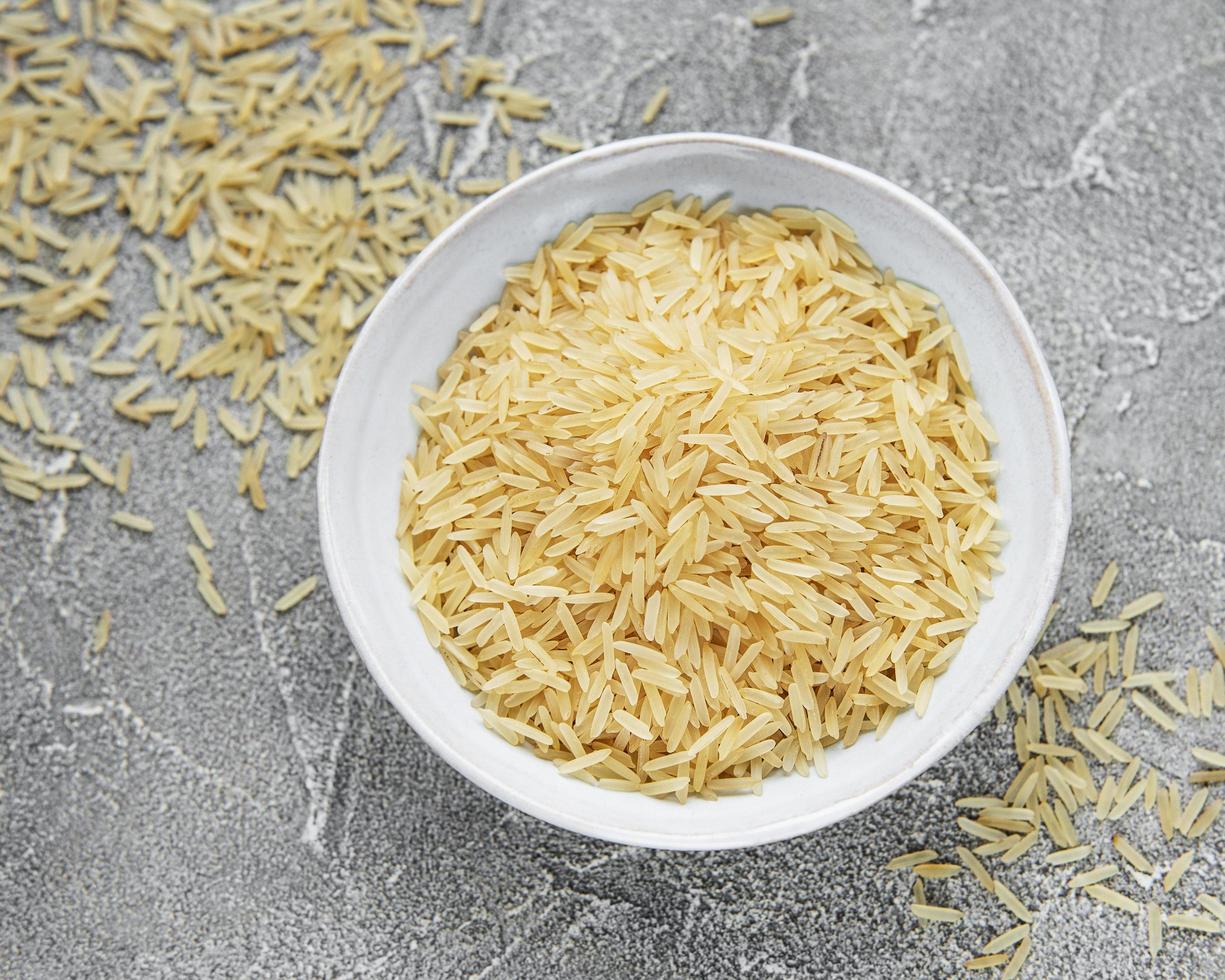
| Basmati Rice: A long-grain, aromatic rice originating from India and Pakistan. It has a distinct nutty flavor and floral aroma, and cooks into fluffy, separate grains. |
| Quinoa: A nutrient-dense seed that cooks like a grain. It's high in protein and offers a slightly nutty flavor with a light, fluffy texture when cooked. |
| Amaranth: A tiny, ancient grain with a slightly peppery taste. It's rich in protein and minerals, and can be cooked into a porridge-like consistency or popped like popcorn. |
| Millet: A small, round grain with a mild, slightly sweet flavor. It's versatile and can be prepared fluffy like rice or creamy like mashed potatoes. |
| Sorghum: A hearty, chewy grain with a mild, slightly sweet flavor. It can be cooked whole like rice, ground into flour, or even popped like popcorn for a crunchy snack. |
Health Information
? Frequently Asked Questions
4 questions1 Does jasmine rice have gluten?
2 Is jasmine Minute rice gluten-free?
3 What rice grains are gluten-free?
4 Is Goya Jasmine Rice gluten-free?
Our Expert
Drs. Ilse van Asperen
Orthomolecular Therapist, Nutritional Coach & Professional Editor
Drs. Ilse van Asperen is a medical doctor specialising in orthomolecular therapy and nutritional coaching. With a background in public and clinical health research and management, she focuses on addressing the root causes of health issues through diet, gut health, and stress reduction. As a professional editor for Little Helpers, she reviews all gluten-free content to ensure accuracy, safety, and scientific credibility. Read more on Drs. Ilse van Asperen's own website
Our Sources
The information on this page is based on reputable health and nutrition organisations, ensuring accuracy and reliability for anyone following a gluten-free diet. For further details, see the sources below.