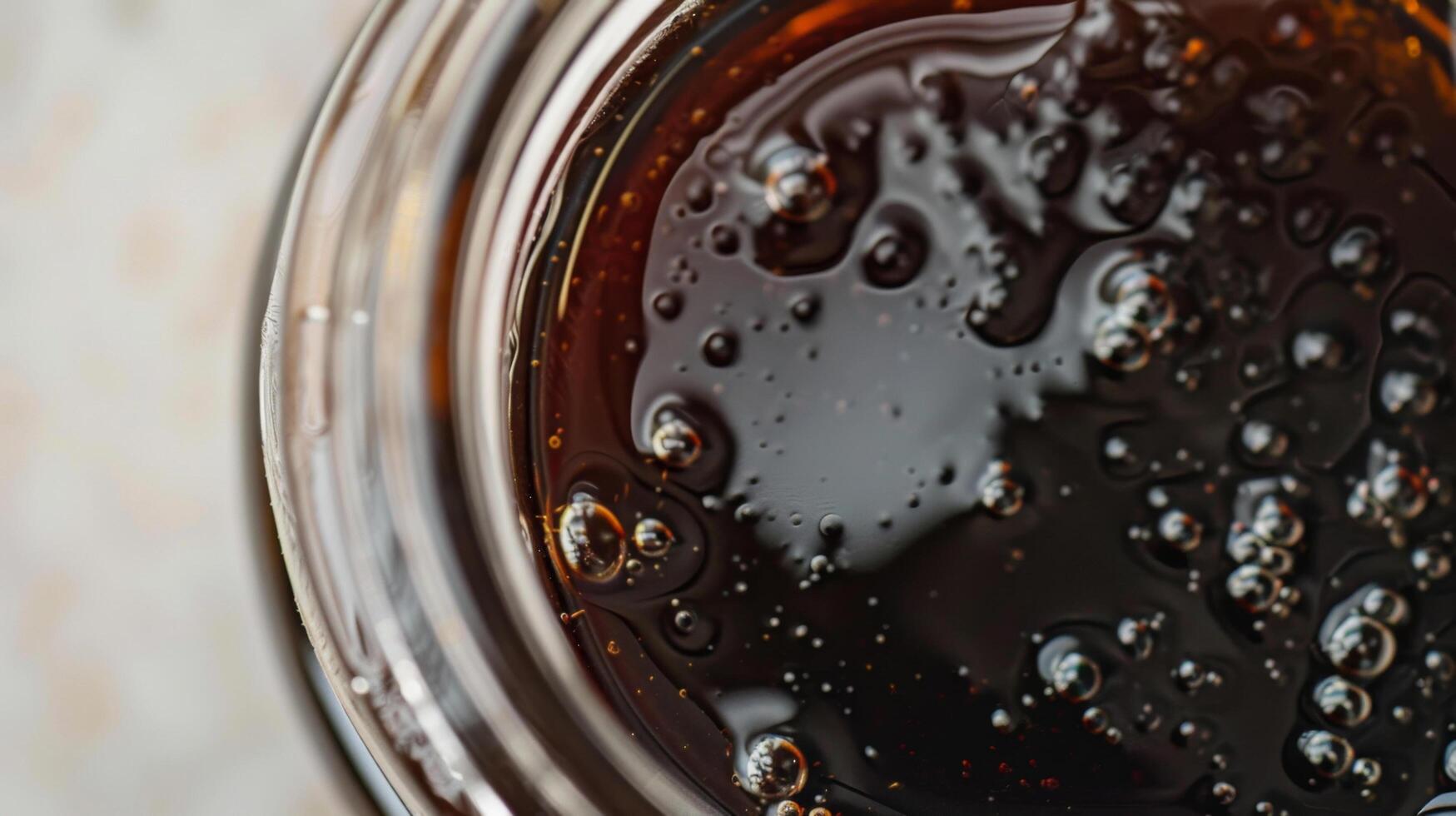
Is Malted Rice Gluten Free?

Is Malted Rice Gluten Free?

Malted rice is typically gluten-free, as rice itself does not contain gluten. However, it’s important to check product labels or with manufacturers to ensure there has been no cross-contamination with gluten-containing grains during processing or that no gluten-containing ingredients have been added.

TL;DR

Malted rice is typically gluten-free, as rice itself does not contain gluten. However, it’s important to check product labels or with manufacturers to ensure there has been no cross-contamination with gluten-containing grains during processing or that no gluten-containing ingredients have been added.

Quick Tips

1

Improved digestion: Malting process breaks down complex carbohydrates, making it easier to digest.

2

Enhanced nutrient absorption: Malting increases bioavailability of nutrients, allowing for better absorption.

3

Rich in enzymes: Contains beneficial enzymes that aid in digestion and metabolism.

# In This Article

3 sections

Quick navigation to each section of this article:

1 Benefits of Malted Rice

Improved digestion: Malting process breaks down complex carbohydrates, making it easier to digest.

Jump
2 Who should avoid Malted Rice

Individuals with celiac disease or gluten sensitivity (unless the malted rice is certified gluten-free)

Jump
3 Related Gluten Free Products

Here are five gluten-free options similar to Malted Rice, along with short descriptions:

Jump

Benefits of Malted Rice

Benefits of Malted Rice
Improved digestion: Malting process breaks down complex carbohydrates, making it easier to digest.
Enhanced nutrient absorption: Malting increases bioavailability of nutrients, allowing for better absorption.
Rich in enzymes: Contains beneficial enzymes that aid in digestion and metabolism.
Good source of B vitamins: Especially rich in thiamine (B1), riboflavin (B2), and niacin (B3).
Provides energy: Complex carbohydrates offer sustained energy release.
Low glycemic index: May help in better blood sugar management compared to regular rice.
Antioxidant properties: Contains compounds that can help fight oxidative stress.
Supports gut health: Prebiotic properties may promote growth of beneficial gut bacteria.
Gluten-free option: Suitable for those with gluten sensitivities or celiac disease.
May aid weight management: Lower calorie content compared to regular rice.
Potential immune system support: Contains compounds that may boost immune function.
Mineral content: Good source of minerals like magnesium, phosphorus, and potassium.Note: While malted rice offers these potential benefits, it’s always best to consult with a healthcare professional for personalized dietary advice.

Who should avoid Malted Rice

Who should avoid Malted Rice
Individuals with celiac disease or gluten sensitivity (unless the malted rice is certified gluten-free)
People with diabetes or those monitoring their blood sugar levels closely, as malted rice can have a higher glycemic index
Those on a low-carbohydrate diet, as malted rice is high in carbohydrates
Individuals with grain allergies or sensitivities
People with digestive issues who are sensitive to fermented foods
Those following a strict paleo or grain-free diet
Individuals with alcohol sensitivities, as some malted rice products may contain trace amounts of alcohol from the fermentation process
People with specific dietary restrictions that exclude grains or fermented foods
Those with rice allergies or sensitivities
Individuals on a low-calorie diet, as malted rice can be calorie-denseIt’s important to note that these are general guidelines, and individuals should consult with their healthcare provider or a registered dietitian for personalized advice based on their specific health conditions and dietary needs.
ENJOY YOUR FAVORITE FOODS FEARLESSLY!
Don’t let gluten hold you back. Take Anti-Gluten Pills before your meal and enjoy peace of mind.
SHOP ANTI-GLUTEN PILLS
Clinically proven · Up to 86% gluten reduction · Fast acting

Here are five gluten-free options similar to Malted Rice, along with short descriptions:

Related Gluten Free Products
Rice Malt Syrup- A natural sweetener made from fermented cooked rice- Has a mild, slightly nutty flavor and is less sweet than sugar- Often used as a substitute for honey or maple syrup in recipes
Sorghum Malt- Made from malted sorghum grains- Has a slightly sweet, earthy flavor- Commonly used in gluten-free beer production and as a flavor enhancer in baking
Buckwheat Malt- Derived from malted buckwheat, which is actually a seed, not a grain- Has a rich, nutty flavor with slight bitterness- Used in gluten-free brewing and as a nutritious addition to baked goods
Quinoa Malt- Produced from malted quinoa seeds- Offers a mild, slightly grassy flavor- Rich in protein and nutrients, used in gluten-free baking and brewing
Corn Malt- Made from malted corn kernels- Has a sweet, distinct corn flavor- Often used in gluten-free beer production and as a natural sweetener in various food productsThese alternatives provide similar malty flavors and functional properties to Malted Rice while remaining gluten-free, making them suitable for those with gluten sensitivities or celiac disease.

Health Information

? Frequently Asked Questions

4 questions
1 What is malted rice made of?
Malted rice is made from rice grains that have been allowed to germinate. This process involves soaking the rice in water until it sprouts, then drying it to halt germination. The resulting malted rice contains enzymes that can break down starches into simpler sugars. It is commonly used in brewing and food production for its flavor and enzymatic properties.
2 Does malted have gluten?
Yes, malted ingredients typically contain gluten. Malt is usually made from barley, which is a gluten-containing grain. The malting process does not remove the gluten proteins from the grain. Therefore, most malted products are not considered gluten-free unless specifically labeled as such.
3 Are whoppers gluten-free?
Whoppers, the popular malted milk balls candy, are not gluten-free. They contain barley malt, which is a gluten-containing ingredient. Individuals with celiac disease or gluten sensitivity should avoid consuming Whoppers. There are some gluten-free alternatives available from other brands for those who cannot eat gluten.
4 Why are malt beverages not gluten-free?
Malt beverages are not gluten-free because they are typically made from malted barley or other gluten-containing grains. The malting process involves germinating the grains, which activates enzymes that break down starches into fermentable sugars. During this process, the gluten proteins in the grains remain intact and are carried through to the final product. Even after fermentation and processing, malt beverages retain enough gluten to be unsafe for those with celiac disease or gluten sensitivity.
LIVE GLUTEN-FREE WITHOUT THE FUSS!
Introducing Tolerase® G, clinically proven to reduce up to 86% of gluten in under 10 minutes. Experience the freedom to eat what you love.
SHOP ANTI-GLUTEN PILLS
150mg pure Tolerase® G · Reduces gluten by 86% · Under 10 minutes

Our Expert

Drs. Ilse van Asperen, Orthomolecular Therapist and Nutritional Coach

Drs. Ilse van Asperen

Orthomolecular Therapist, Nutritional Coach & Professional Editor

Drs. Ilse van Asperen is a medical doctor specialising in orthomolecular therapy and nutritional coaching. With a background in public and clinical health research and management, she focuses on addressing the root causes of health issues through diet, gut health, and stress reduction. As a professional editor for Little Helpers, she reviews all gluten-free content to ensure accuracy, safety, and scientific credibility. Read more on Drs. Ilse van Asperen's own website

Our Sources

The information on this page is based on reputable health and nutrition organisations, ensuring accuracy and reliability for anyone following a gluten-free diet. For further details, see the sources below.
Sources

Similar Articles

Back to blog