Is Masa Flour Gluten Free?

Is Masa Flour Gluten Free?

Yes, masa flour is gluten-free. It is made from corn that has been treated with lime water and ground into a fine flour, making it safe for those with celiac disease or gluten sensitivities to consume.

TL;DR

Yes, masa flour is gluten-free. It is made from corn that has been treated with lime water and ground into a fine flour, making it safe for those with celiac disease or gluten sensitivities to consume.

Quick Tips

1

Rich in calcium: The lime treatment increases calcium content, supporting bone health.

2

Good source of fiber: Helps with digestion and promotes feelings of fullness.

3

Contains essential minerals: Provides iron, magnesium, and zinc.

# In This Article

3 sections

Quick navigation to each section of this article:

1 Benefits of Masa Flour

Rich in calcium: The lime treatment increases calcium content, supporting bone health.

Jump
2 Who should avoid Masa Flour

People with corn allergies: Masa flour is made from corn, so those with corn allergies should strictly avoid it.

Jump
3 Related Gluten Free Products

Here are five gluten-free options similar to Masa Flour, along with short descriptions:

Jump

Benefits of Masa Flour

Benefits of Masa Flour
Rich in calcium: The lime treatment increases calcium content, supporting bone health.
Good source of fiber: Helps with digestion and promotes feelings of fullness.
Contains essential minerals: Provides iron, magnesium, and zinc.
Low in fat: Suitable for low-fat diets.
Gluten-free: Safe for people with celiac disease or gluten sensitivity.
Low glycemic index: May help with blood sugar control.
Source of antioxidants: Contains compounds that may help fight oxidative stress.
Provides complex carbohydrates: Offers sustained energy release.
Niacin content: Supports metabolism and nervous system function.
Improved nutrient absorption: The lime treatment enhances the bioavailability of certain nutrients.
Prebiotic properties: May support gut health by promoting beneficial bacteria growth.
Naturally low in sodium: Suitable for low-sodium diets.Remember that the health benefits can vary depending on the specific preparation and consumption methods.

Who should avoid Masa Flour

Who should avoid Masa Flour
People with corn allergies: Masa flour is made from corn, so those with corn allergies should strictly avoid it.
Individuals with gluten sensitivity or celiac disease: While masa flour itself is gluten-free, cross-contamination can occur during processing. They should look for certified gluten-free masa flour.
People on a low-carb or ketogenic diet: Masa flour is high in carbohydrates and may not fit into these dietary plans.
Those with diabetes or blood sugar concerns: Masa flour can cause blood sugar spikes, so it should be consumed in moderation.
Individuals with digestive issues: Some people may find corn-based products difficult to digest.
People with FODMAPs sensitivities: Corn is considered a high-FODMAP food and may cause discomfort for some.
Those with a history of diverticulitis: Small corn particles might irritate the digestive tract in sensitive individuals.
Anyone with a known sensitivity or intolerance to corn or corn products.Remember, it’s always best to consult with a healthcare professional or registered dietitian for personalized advice on dietary restrictions.
ENJOY YOUR FAVORITE FOODS FEARLESSLY!
Don’t let gluten hold you back. Take Anti-Gluten Pills before your meal and enjoy peace of mind.
SHOP ANTI-GLUTEN PILLS
Clinically proven · Up to 86% gluten reduction · Fast acting

Here are five gluten-free options similar to Masa Flour, along with short descriptions:

Related Gluten Free Products
Chickpea Flour: Also known as gram flour or besan, it's made from ground chickpeas. It has a nutty flavor and is high in protein, making it great for savory dishes, flatbreads, and as a batter for frying.
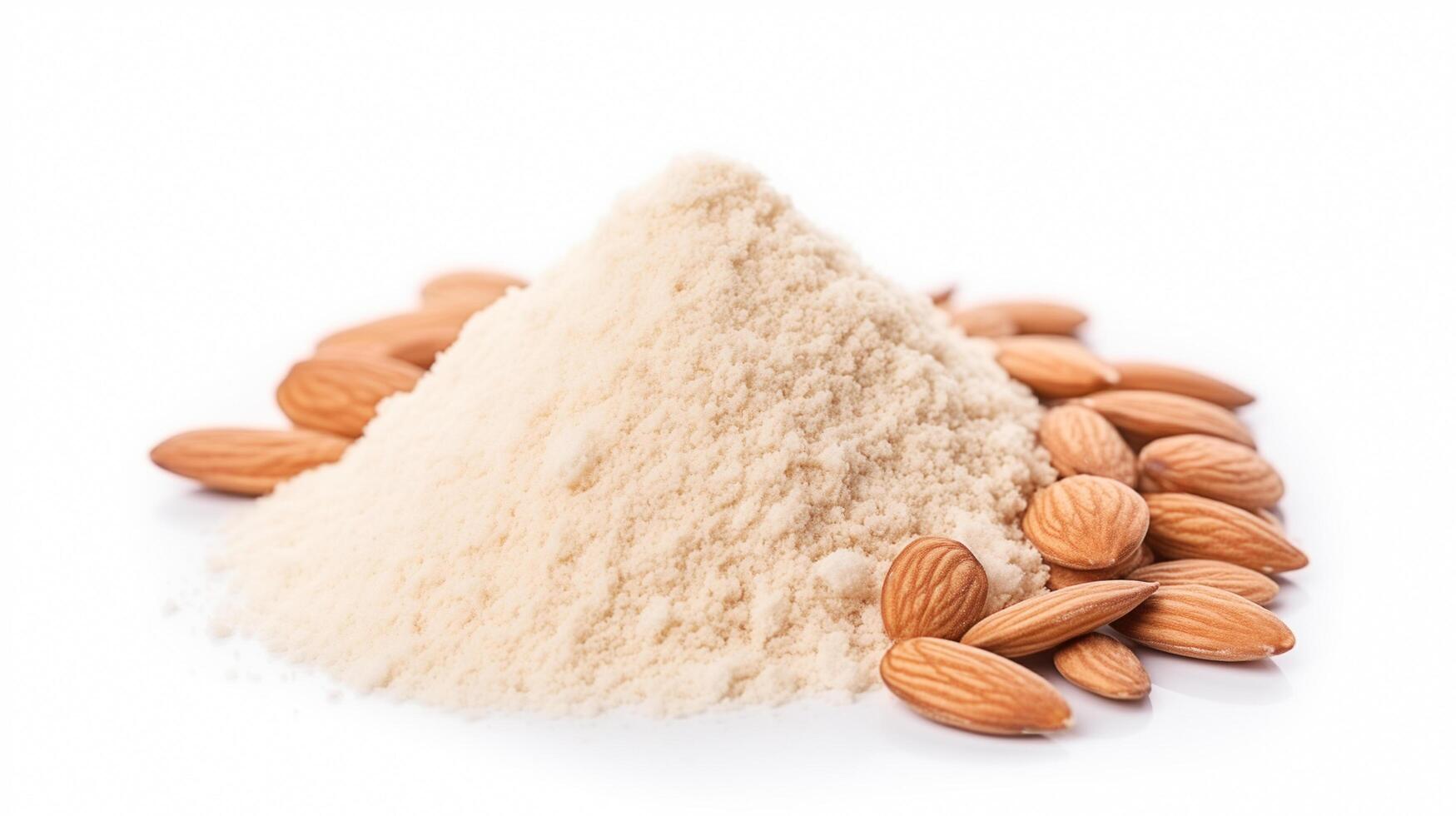
Almond Flour: Made from blanched and finely ground almonds, it's rich in protein and healthy fats. It's popular in gluten-free baking, especially for cakes, cookies, and pie crusts.
Coconut Flour: Produced from dried, ground coconut meat, it's high in fiber and low in carbohydrates. It's highly absorbent and works well in sweet baked goods, though it requires more liquid in recipes.
Cassava Flour: Made from the whole cassava root, it has a neutral flavor and fine texture similar to wheat flour. It's versatile and can be used as a 1:1 replacement for wheat flour in many recipes.

Health Information

? Frequently Asked Questions

4 questions
1 Does masa flour contain gluten?
Masa flour does not contain gluten. It is made from corn that has been treated with lime water, not from wheat or other gluten-containing grains. Masa flour is naturally gluten-free and safe for people with celiac disease or gluten sensitivity. However, it's always important to check labels for potential cross-contamination if you have severe gluten issues.
2 What is masa flour made of?
Masa flour is made from corn that has undergone nixtamalization. This process involves soaking and cooking dried corn kernels in an alkaline solution, usually limewater. After soaking, the corn is ground into a dough-like consistency. The resulting flour, known as masa harina when dried, is a staple ingredient in many Latin American cuisines, particularly for making tortillas and tamales.
3 Is tamale masa gluten-free?
Tamale masa is typically gluten-free. It is traditionally made from corn, which does not contain gluten. However, it's important to check ingredients carefully, as some recipes may include wheat flour or other gluten-containing additives. Always verify with the manufacturer or cook if you have celiac disease or gluten sensitivity.
4 Is masa healthier than flour?
Masa, made from corn treated with lime, is generally considered healthier than refined wheat flour. It contains more fiber, vitamins, and minerals than standard white flour. Masa is also gluten-free, making it a good option for those with gluten sensitivities. However, whole wheat flour can be nutritionally comparable to masa, so the healthiest choice depends on individual dietary needs and preferences.
LIVE GLUTEN-FREE WITHOUT THE FUSS!
Introducing Tolerase® G, clinically proven to reduce up to 86% of gluten in under 10 minutes. Experience the freedom to eat what you love.
SHOP ANTI-GLUTEN PILLS
150mg pure Tolerase® G · Reduces gluten by 86% · Under 10 minutes

Our Expert

Drs. Ilse van Asperen, Orthomolecular Therapist and Nutritional Coach

Drs. Ilse van Asperen

Orthomolecular Therapist, Nutritional Coach & Professional Editor

Drs. Ilse van Asperen is a medical doctor specialising in orthomolecular therapy and nutritional coaching. With a background in public and clinical health research and management, she focuses on addressing the root causes of health issues through diet, gut health, and stress reduction. As a professional editor for Little Helpers, she reviews all gluten-free content to ensure accuracy, safety, and scientific credibility. Read more on Drs. Ilse van Asperen's own website

Our Sources

The information on this page is based on reputable health and nutrition organisations, ensuring accuracy and reliability for anyone following a gluten-free diet. For further details, see the sources below.
Sources

Similar Articles

Back to blog