Share
TL;DR
Yes, pure mustard seeds are naturally gluten-free. However, some prepared mustard products may contain gluten due to added ingredients or cross-contamination during processing, so it’s always best to check the label or contact the manufacturer if you have celiac disease or gluten sensitivity.
Quick Tips
1Rich in antioxidants, which help fight free radicals and reduce oxidative stress
2Contains anti-inflammatory compounds that may help reduce chronic inflammation
3May help lower blood sugar levels and improve insulin sensitivity
# In This Article
3 sectionsQuick navigation to each section of this article:
1 Benefits of Mustard Seed
Rich in antioxidants, which help fight free radicals and reduce oxidative stress
Jump2 Who should avoid Mustard Seed
People with a known allergy to mustard or other plants in the Brassicaceae family (e. g.
Jump3 Related Gluten Free Products
Here are five similar gluten-free options to Mustard Seed, along with short descriptions:
JumpBenefits of Mustard Seed
| Benefits of Mustard Seed |
|---|
| Rich in antioxidants, which help fight free radicals and reduce oxidative stress |
| Contains anti-inflammatory compounds that may help reduce chronic inflammation |
| May help lower blood sugar levels and improve insulin sensitivity |
| Rich in selenium, which supports thyroid function and immune system health |
| May help lower blood pressure and improve cardiovascular health |
| Contains compounds that may have cancer-fighting properties |
| High in fiber, which aids digestion and promotes gut health |
| May help relieve symptoms of asthma and other respiratory conditions |
| Rich in omega-3 fatty acids, which support brain and heart health |
| May help reduce muscle pain and soreness after exercise |
| Contains calcium and magnesium, which support bone health |
| May have antimicrobial properties that can help fight harmful bacteria |
| Could potentially aid in weight management by boosting metabolism |
| Rich in B-complex vitamins, which support energy production and nervous system function |
| May help alleviate symptoms of rheumatoid arthritis and other inflammatory conditionsRemember, while mustard seeds have many potential health benefits, they should be consumed as part of a balanced diet and in moderation. |
Who should avoid Mustard Seed
| Who should avoid Mustard Seed |
|---|
| People with a known allergy to mustard or other plants in the Brassicaceae family (e.g., broccoli, cabbage, cauliflower) |
| Individuals with gastrointestinal conditions such as inflammatory bowel disease, Crohn’s disease, or ulcerative colitis, as mustard seed may irritate the digestive tract |
| Those with thyroid disorders, particularly hypothyroidism, as mustard seeds contain goitrogens that can interfere with thyroid function |
| People taking certain medications, such as blood thinners (e.g., warfarin), as mustard seeds may interact with these drugs |
| Individuals with kidney problems, as mustard seeds are high in oxalates which can contribute to kidney stone formation |
| Pregnant women, who should consult their healthcare provider before consuming large amounts of mustard seeds |
| Those with sensitive skin, as topical application of mustard seed oil or paste may cause skin irritation |
| People with peptic ulcers or acid reflux, as mustard seeds may exacerbate these conditions |
| Individuals preparing for surgery, as mustard seeds may affect blood clotting |
| Young children, due to the potential for allergic reactions and digestive sensitivityAlways consult with a healthcare professional before making significant changes to your diet, especially if you have pre-existing health conditions or concerns. |
Related Gluten Free Products
Here are five similar gluten-free options to Mustard Seed, along with short descriptions:
| Related Gluten Free Products |
|---|
| Flax Seeds: Tiny brown or golden seeds with a slightly nutty taste. High in omega-3 fatty acids and lignans. Can be ground and used as an egg substitute in baking or sprinkled on yogurt and oatmeal. |
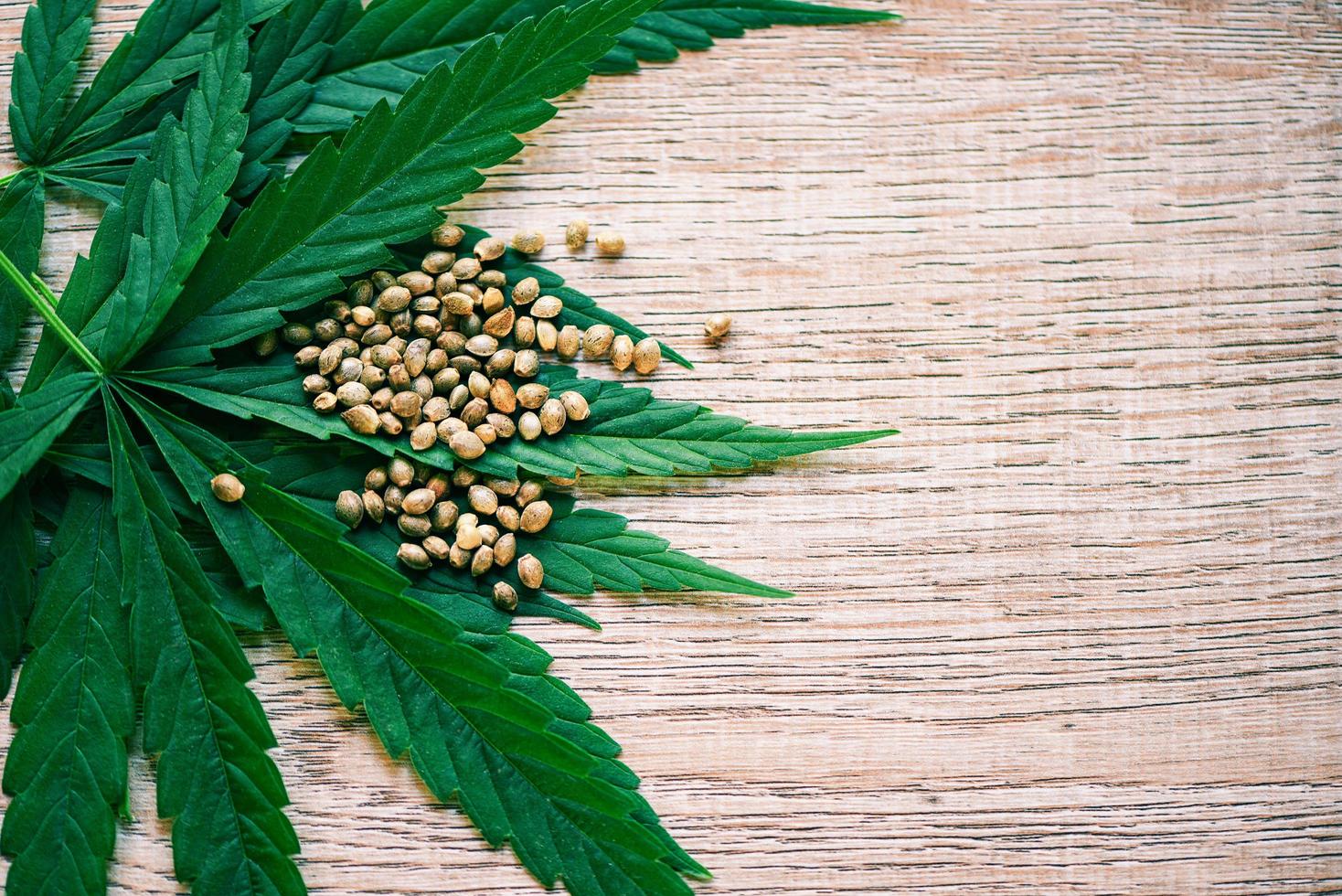
| Hemp Seeds: Small, round seeds with a mild, nutty flavor. Excellent source of protein and essential fatty acids. Can be eaten raw, sprinkled on salads, or used in baking for added nutrition. |
| Poppy Seeds: Tiny, bluish-black seeds with a nutty, slightly sweet flavor. Rich in minerals and fiber. Commonly used in baking, especially for muffins and bagels, or as a topping for salads and vegetables. |
| Sunflower Seeds: Oval-shaped seeds with a mild, nutty flavor. High in vitamin E and healthy fats. Can be eaten raw, roasted as a snack, or used in baking and cooking for added texture and nutrition. |
Health Information
? Frequently Asked Questions
4 questions1 Does mustard seed have gluten?
2 Why is mustard not gluten-free?
3 What mustard can celiacs eat?
4 What seeds are not gluten-free?
Our Expert
Drs. Ilse van Asperen
Orthomolecular Therapist, Nutritional Coach & Professional Editor
Drs. Ilse van Asperen is a medical doctor specialising in orthomolecular therapy and nutritional coaching. With a background in public and clinical health research and management, she focuses on addressing the root causes of health issues through diet, gut health, and stress reduction. As a professional editor for Little Helpers, she reviews all gluten-free content to ensure accuracy, safety, and scientific credibility. Read more on Drs. Ilse van Asperen's own website
Our Sources
The information on this page is based on reputable health and nutrition organisations, ensuring accuracy and reliability for anyone following a gluten-free diet. For further details, see the sources below.