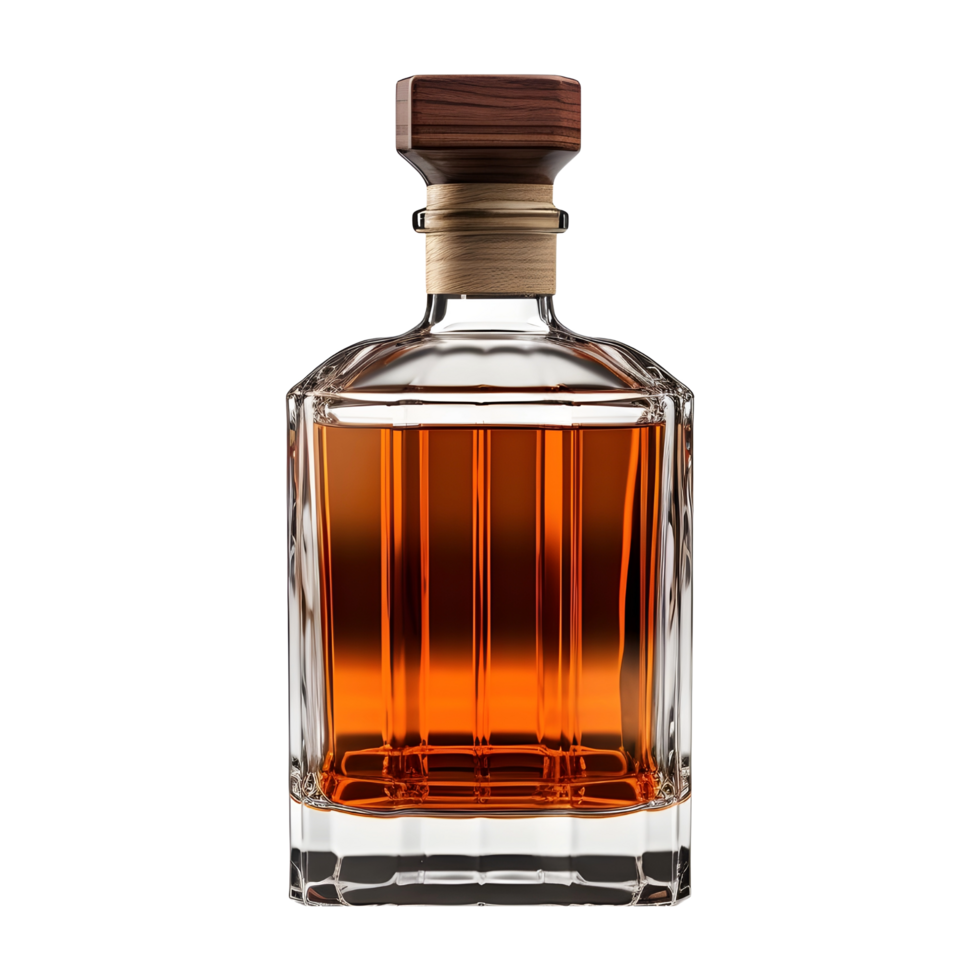
Is Port Wine Gluten Free?

Is Port Wine Gluten Free?

Yes, port wine is generally considered gluten-free. As a fermented beverage made from grapes, port wine does not contain gluten-containing ingredients, making it safe for those with celiac disease or gluten sensitivity to consume.

TL;DR

Yes, port wine is generally considered gluten-free. As a fermented beverage made from grapes, port wine does not contain gluten-containing ingredients, making it safe for those with celiac disease or gluten sensitivity to consume.

Quick Tips

1

Rich in antioxidants: Port wine contains high levels of antioxidants, particularly resveratrol, which may help protect against cellular damage and reduce the risk of certain diseases.

2

May improve cardiovascular health: The polyphenols in Port wine can potentially help reduce bad cholesterol levels and improve overall heart health.

3

Potential anti-inflammatory effects: Some compounds in Port wine may help reduce inflammation in the body.

# In This Article

3 sections

Quick navigation to each section of this article:

1 Benefits of Port Wine

Rich in antioxidants: Port wine contains high levels of antioxidants, particularly resveratrol, which may help protect against cellular damage and reduce the risk of certain diseases.

Jump
2 Who should avoid Port Wine

Pregnant women: Alcohol consumption during pregnancy can lead to fetal alcohol spectrum disorders.

Jump
3 Related Gluten Free Products

Here are five gluten-free options similar to Port Wine, along with short descriptions:

Jump

Benefits of Port Wine

Benefits of Port Wine
Rich in antioxidants: Port wine contains high levels of antioxidants, particularly resveratrol, which may help protect against cellular damage and reduce the risk of certain diseases.
May improve cardiovascular health: The polyphenols in Port wine can potentially help reduce bad cholesterol levels and improve overall heart health.
Potential anti-inflammatory effects: Some compounds in Port wine may help reduce inflammation in the body.
May lower the risk of type 2 diabetes: Moderate consumption of Port wine has been associated with improved insulin sensitivity.
Potential cognitive benefits: The antioxidants in Port wine may help protect brain cells and potentially reduce the risk of cognitive decline.
May boost the immune system: The antioxidants and other compounds in Port wine could contribute to a stronger immune system.
Stress reduction: Moderate consumption may help reduce stress and promote relaxation.
Potential longevity benefits: Some studies suggest that moderate red wine consumption, including Port, may contribute to increased longevity.
May improve bone density: Some research indicates that moderate wine consumption could help maintain bone density, especially in older women.
Digestive aid: Port wine has traditionally been consumed as a digestif to help with digestion after meals.It’s important to note that these benefits are associated with moderate consumption, and excessive alcohol intake can lead to numerous health problems. Always consult with a healthcare professional for personalized advice.

Who should avoid Port Wine

Who should avoid Port Wine
Pregnant women: Alcohol consumption during pregnancy can lead to fetal alcohol spectrum disorders.
Individuals with alcohol use disorders or those in recovery from alcoholism
People taking certain medications that interact negatively with alcohol, such as: – Antibiotics – Antidepressants – Blood thinners – Pain relievers
Those with liver disease or other liver problems
Individuals with pancreatitis
People with certain heart conditions, especially if they’re on medication
Diabetics, as Port wine is high in sugar content
Those with gout, as the high sugar content can exacerbate symptoms
Individuals with sulfite sensitivities, as Port wine often contains sulfites
People with histamine intolerances, as Port wine can be high in histamines
Those who experience migraines triggered by alcohol or tannins
Individuals operating machinery or vehicles
Minors, as it is illegal for them to consume alcohol in most countries
Anyone advised by their healthcare provider to avoid alcohol for any reasonRemember, it’s always best to consult with a healthcare professional about alcohol consumption if you have any medical conditions or concerns.
ENJOY YOUR FAVORITE FOODS FEARLESSLY!
Don’t let gluten hold you back. Take Anti-Gluten Pills before your meal and enjoy peace of mind.
SHOP ANTI-GLUTEN PILLS
Clinically proven · Up to 86% gluten reduction · Fast acting

Here are five gluten-free options similar to Port Wine, along with short descriptions:

Related Gluten Free Products
Sherry:A fortified wine from Spain's Jerez region, available in various styles from dry to very sweet. It offers a range of flavors, including nutty, dried fruit, and saline notes, depending on the style.
Marsala:An Italian fortified wine from Sicily, available in dry and sweet varieties. It has a rich, nutty flavor with hints of brown sugar and dried fruits, often used in cooking and as a dessert wine.
Vermouth:A fortified and aromatized wine infused with herbs, spices, and botanicals. Available in sweet (red) and dry (white) varieties, it's commonly used in cocktails but can also be enjoyed on its own.
Late Harvest Wine:While not fortified, these wines are made from grapes left on the vine longer, resulting in higher sugar content. They're typically sweet dessert wines with concentrated flavors of ripe fruits and honey.Note: While these wines are generally gluten-free, it's always best to check individual product labels or contact manufacturers to confirm, especially for those with severe gluten sensitivities or celiac disease.

Health Information

? Frequently Asked Questions

4 questions
1 Is there gluten in Port wine?
Port wine is generally considered gluten-free. The fermentation process for wine does not typically involve any gluten-containing ingredients. However, some flavored or specialty Port wines may contain additives that could introduce gluten. If you have celiac disease or a gluten sensitivity, it's always best to check with the specific producer or consult the label for any potential gluten-containing additives.
2 Can coeliacs drink port?
Coeliacs need to be cautious when drinking port. Most port wines are generally considered gluten-free, as they are made from grapes. However, some ports may contain additives or flavorings that could introduce gluten. It's always best for coeliacs to check with the manufacturer or choose certified gluten-free options to be safe.
3 Can celiacs have port?
Celiacs generally cannot have regular port wine. Most port contains gluten due to the use of wheat paste to seal barrels during aging. However, some producers now offer gluten-free port options made without wheat paste. Celiacs should always check with the specific producer or opt for certified gluten-free port alternatives to be safe.
4 What wine is not gluten-free?
All traditional wines made from grapes are naturally gluten-free. However, some flavored or specialty wines may contain gluten-containing additives. Certain wine coolers or wine-based beverages might also include gluten ingredients. It's always best to check the label or contact the manufacturer if you have concerns about gluten content in a specific wine product.
LIVE GLUTEN-FREE WITHOUT THE FUSS!
Introducing Tolerase® G, clinically proven to reduce up to 86% of gluten in under 10 minutes. Experience the freedom to eat what you love.
SHOP ANTI-GLUTEN PILLS
150mg pure Tolerase® G · Reduces gluten by 86% · Under 10 minutes

Our Expert

Drs. Ilse van Asperen, Orthomolecular Therapist and Nutritional Coach

Drs. Ilse van Asperen

Orthomolecular Therapist, Nutritional Coach & Professional Editor

Drs. Ilse van Asperen is a medical doctor specialising in orthomolecular therapy and nutritional coaching. With a background in public and clinical health research and management, she focuses on addressing the root causes of health issues through diet, gut health, and stress reduction. As a professional editor for Little Helpers, she reviews all gluten-free content to ensure accuracy, safety, and scientific credibility. Read more on Drs. Ilse van Asperen's own website

Our Sources

The information on this page is based on reputable health and nutrition organisations, ensuring accuracy and reliability for anyone following a gluten-free diet. For further details, see the sources below.


Sources

Similar Articles

Back to blog