Is Pumpkin Gluten Free?

Is Pumpkin Gluten Free?

Yes, pumpkin in its natural form is gluten-free. However, it’s important to be cautious with pumpkin-flavored products or dishes, as they may contain gluten-containing ingredients added during processing or preparation.

TL;DR

Yes, pumpkin in its natural form is gluten-free. However, it’s important to be cautious with pumpkin-flavored products or dishes, as they may contain gluten-containing ingredients added during processing or preparation.

Quick Tips

1

Rich in antioxidants, particularly alpha-carotene, beta-carotene, and beta-cryptoxanthin

2

High in vitamins, especially vitamin A, C, and E

3

Good source of fiber, promoting digestive health

# In This Article

3 sections

Quick navigation to each section of this article:

1 Benefits of Pumpkin

Rich in antioxidants, particularly alpha-carotene, beta-carotene, and beta-cryptoxanthin

Jump
2 Who should avoid Pumpkin

Individuals with pumpkin allergies: Some people may be allergic to pumpkin or other members of the Cucurbitaceae family (which includes squash and cucumbers).

Jump
3 Related Gluten Free Products

Here are five gluten-free options similar to pumpkin, along with short descriptions:

Jump

Benefits of Pumpkin

Benefits of Pumpkin
Rich in antioxidants, particularly alpha-carotene, beta-carotene, and beta-cryptoxanthin
High in vitamins, especially vitamin A, C, and E
Good source of fiber, promoting digestive health
Low in calories, making it beneficial for weight management
Contains potassium, which may help regulate blood pressure
Supports eye health due to its high vitamin A and lutein content
May boost immune function thanks to its vitamin C content
Contains compounds that may help reduce the risk of certain cancers
Rich in magnesium, which supports bone health
May help regulate blood sugar levels due to its high fiber content
Contains zinc, which is important for immune function and skin health
Provides iron, supporting red blood cell production
Seeds are rich in healthy fats and protein
May have anti-inflammatory properties
Could potentially improve heart health due to its fiber, potassium, and antioxidant contentRemember that while pumpkin offers these potential benefits, it should be part of a balanced diet for optimal health.

Who should avoid Pumpkin

Who should avoid Pumpkin
Individuals with pumpkin allergies: Some people may be allergic to pumpkin or other members of the Cucurbitaceae family (which includes squash and cucumbers).
Those with diabetes: While pumpkin can be part of a healthy diet for diabetics, its high carbohydrate content means consumption should be monitored and factored into overall carb intake.
People taking certain medications: Pumpkin seeds may interact with diuretic medications and lithium.
Individuals with digestive issues: Some people with irritable bowel syndrome (IBS) or other digestive sensitivities may find pumpkin difficult to digest.
Those on a low-potassium diet: Pumpkin is high in potassium, which may be a concern for people with kidney problems or those taking certain medications.
Individuals prone to kidney stones: Pumpkin seeds are high in oxalates, which can contribute to kidney stone formation in susceptible individuals.
People with latex allergies: There may be cross-reactivity between latex and pumpkin in some individuals.
Those on blood-thinning medications: The high vitamin K content in pumpkin may interfere with blood-thinning medications like warfarin.
Individuals with hypoglycemia: The natural sugars in pumpkin might cause blood sugar fluctuations in some people.Always consult with a healthcare provider if you have concerns about adding pumpkin to your diet, especially if you have existing health conditions or are taking medications.
ENJOY YOUR FAVORITE FOODS FEARLESSLY!
Don’t let gluten hold you back. Take Anti-Gluten Pills before your meal and enjoy peace of mind.
SHOP ANTI-GLUTEN PILLS
Clinically proven · Up to 86% gluten reduction · Fast acting

Here are five gluten-free options similar to pumpkin, along with short descriptions:

Related Gluten Free Products
Sweet Potato: A starchy root vegetable with a naturally sweet taste. It's high in fiber, vitamins, and minerals. Sweet potatoes can be baked, mashed, or used in pies and other desserts as a pumpkin substitute.
Acorn Squash: A small, acorn-shaped winter squash with a mild, slightly sweet flavor. It's a good source of vitamins C and B6. Acorn squash can be roasted, stuffed, or puréed for use in recipes.
Kabocha Squash: Also known as Japanese pumpkin, this winter squash has a sweet flavor and velvety texture. It's rich in beta-carotene and can be used in soups, stews, or as a side dish.
Carrots: While not a squash, carrots can be a great gluten-free alternative to pumpkin in some recipes. They're high in vitamin A and can be used in sweet or savory dishes, including baked goods like carrot cake or muffins.

Health Information

? Frequently Asked Questions

4 questions
1 Does pumpkin contain gluten?
No, pumpkin does not contain gluten. Pumpkin is a naturally gluten-free food. It is safe for people with celiac disease or gluten sensitivity to consume. However, it's important to be cautious with processed pumpkin products, as they may contain added ingredients that include gluten.
2 Is all canned pumpkin gluten-free?
Yes, all pure canned pumpkin is naturally gluten-free. Pumpkin itself does not contain any gluten. However, it's important to check the label of canned pumpkin products to ensure no gluten-containing additives have been included. As long as the ingredient list only contains pumpkin, it should be safe for those following a gluten-free diet.
3 Is Starbucks pumpkin flavor gluten-free?
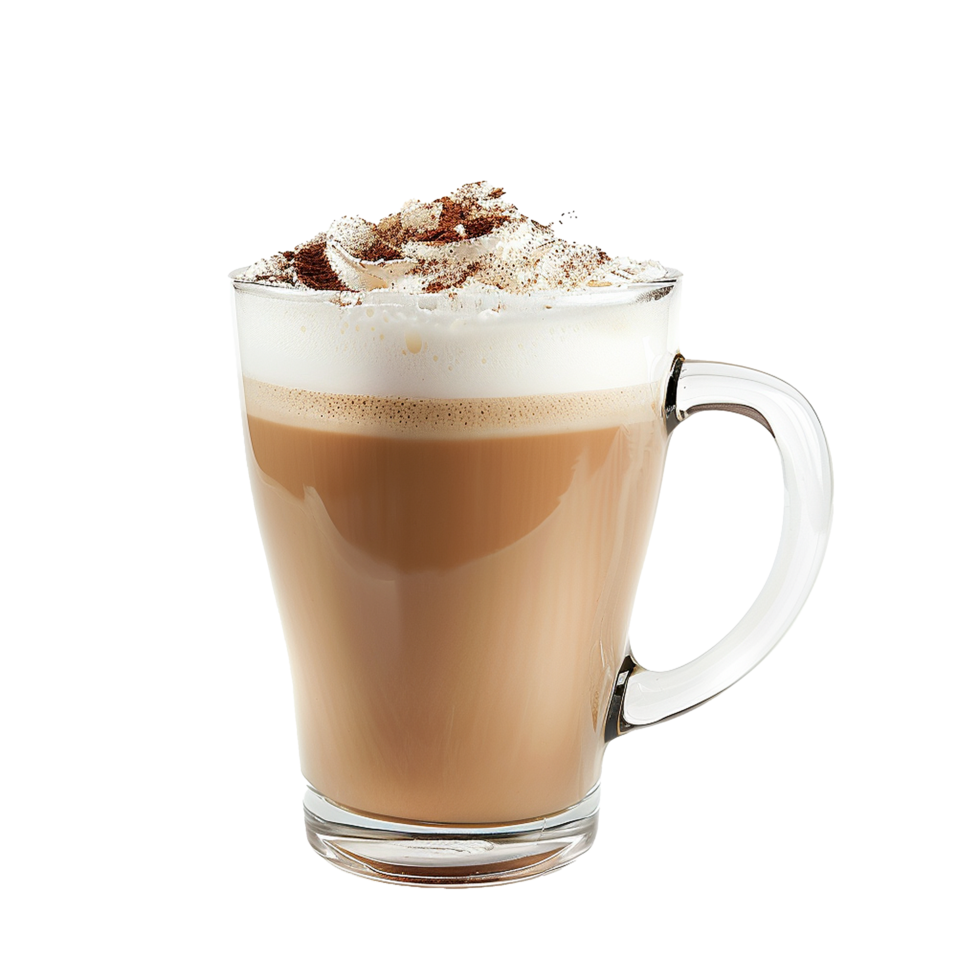
Starbucks' Pumpkin Spice Syrup, which is used to flavor their popular Pumpkin Spice Latte and other pumpkin-flavored drinks, is gluten-free. However, it's important to note that while the syrup itself doesn't contain gluten, cross-contamination can occur in the preparation process. Some Starbucks locations may use shared equipment for drinks containing gluten and non-gluten ingredients. If you have celiac disease or a severe gluten sensitivity, it's best to inform the barista of your dietary needs and ask about their preparation methods.
4 Does pumpkin pie filling contain gluten?
Pumpkin pie filling itself typically does not contain gluten. The main ingredients in traditional pumpkin pie filling are pumpkin puree, eggs, milk or cream, sugar, and spices. However, some pre-made or canned pumpkin pie fillings may contain additives or thickeners that could include gluten. It's always best to check the ingredient label or make your own filling from scratch if you need to ensure it's gluten-free.
LIVE GLUTEN-FREE WITHOUT THE FUSS!
Introducing Tolerase® G, clinically proven to reduce up to 86% of gluten in under 10 minutes. Experience the freedom to eat what you love.
SHOP ANTI-GLUTEN PILLS
150mg pure Tolerase® G · Reduces gluten by 86% · Under 10 minutes

Our Expert

Drs. Ilse van Asperen, Orthomolecular Therapist and Nutritional Coach

Drs. Ilse van Asperen

Orthomolecular Therapist, Nutritional Coach & Professional Editor

Drs. Ilse van Asperen is a medical doctor specialising in orthomolecular therapy and nutritional coaching. With a background in public and clinical health research and management, she focuses on addressing the root causes of health issues through diet, gut health, and stress reduction. As a professional editor for Little Helpers, she reviews all gluten-free content to ensure accuracy, safety, and scientific credibility. Read more on Drs. Ilse van Asperen's own website

Our Sources

The information on this page is based on reputable health and nutrition organisations, ensuring accuracy and reliability for anyone following a gluten-free diet. For further details, see the sources below.

Sources

Similar Articles

Back to blog