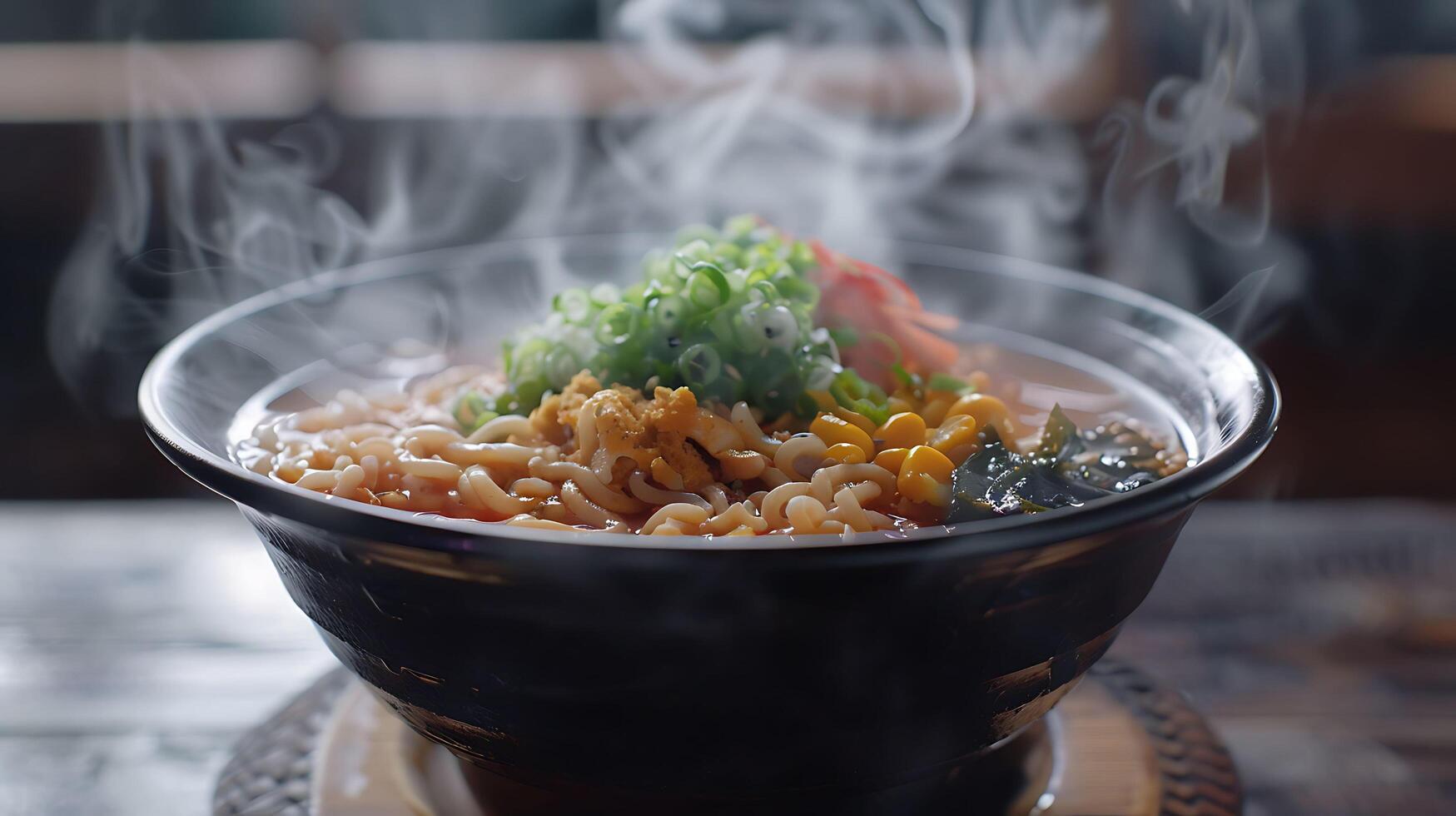
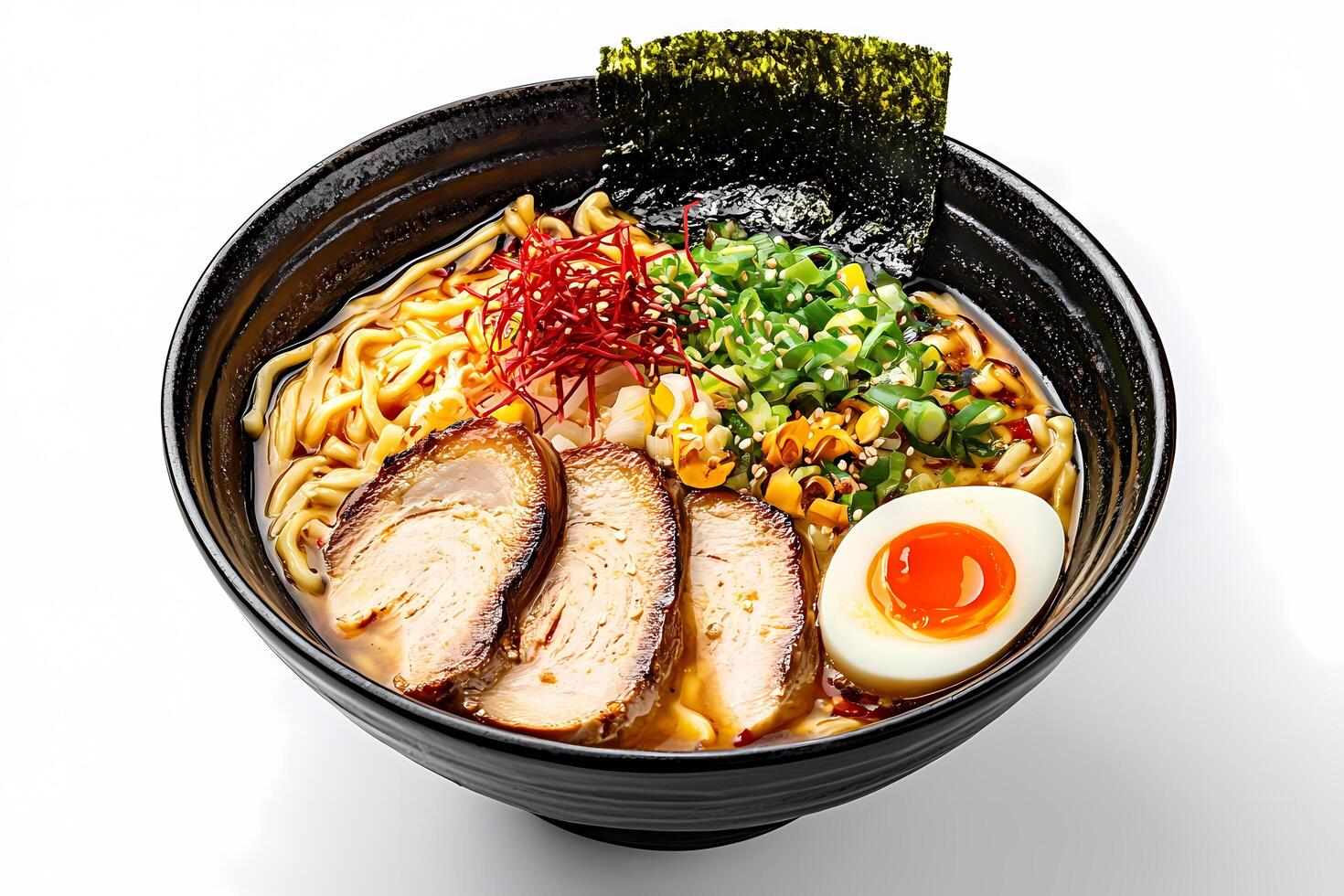
Is Ramen Seasoning Gluten Free?

Is Ramen Seasoning Gluten Free?

Ramen seasoning packets often contain gluten, as many include ingredients like hydrolyzed wheat protein or soy sauce that contain gluten. However, some brands offer gluten-free ramen seasoning options, so it’s important to check the specific product’s ingredient list or look for packages labeled as gluten-free.

TL;DR

Ramen seasoning packets often contain gluten, as many include ingredients like hydrolyzed wheat protein or soy sauce that contain gluten. However, some brands offer gluten-free ramen seasoning options, so it’s important to check the specific product’s ingredient list or look for packages labeled as gluten-free.

Quick Tips

1

Provides flavor without adding significant calories

2

May contain small amounts of minerals like iron from the dried vegetables

3

Can help increase fluid intake when used in soups

# In This Article

3 sections

Quick navigation to each section of this article:

1 Benefits of Ramen Seasoning

Provides flavor without adding significant calories

Jump
2 Who should avoid Ramen Seasoning

Those on low-sodium diets due to high blood pressure, heart disease, or kidney problems

Jump
3 Gluten Free Alternatives

Here are five gluten-free alternatives to Ramen Seasoning, along with short descriptions:

Jump

Benefits of Ramen Seasoning

Benefits of Ramen Seasoning
Provides flavor without adding significant calories
May contain small amounts of minerals like iron from the dried vegetables
Can help increase fluid intake when used in soups
Some brands may include seaweed powder, which contains iodine
Can make bland foods more palatable, potentially encouraging more varied eating
May contain trace amounts of B vitamins from yeast extract (if present)
Can be a comforting food for some, potentially providing psychological benefitsIt’s important to note that these benefits are minimal, and the high sodium content and potential artificial additives in many ramen seasoning packets can outweigh these minor advantages. For better health benefits, consider using natural herbs and spices or homemade broths to flavor your meals.

Who should avoid Ramen Seasoning

Who should avoid Ramen Seasoning
Those on low-sodium diets due to high blood pressure, heart disease, or kidney problems
Individuals with MSG sensitivity or intolerance
People with celiac disease or gluten sensitivity (if the seasoning contains wheat-derived ingredients)
Those with certain food allergies, depending on the specific ingredients in the seasoning
Individuals trying to reduce their intake of artificial additives and preservatives
People following a strict whole foods or clean eating diet
Those with conditions that require limiting their intake of certain spices or flavorings
Individuals with digestive issues that may be exacerbated by highly processed or spicy foods
People trying to reduce their overall calorie intake, as some seasonings can be calorie-dense
Those following specific dietary restrictions for religious or cultural reasons that prohibit certain ingredientsRemember that the exact composition of ramen seasoning can vary between brands, so it’s always best to check the ingredient list if you have specific dietary concerns.
ENJOY YOUR FAVORITE FOODS FEARLESSLY!
Don’t let gluten hold you back. Take Anti-Gluten Pills before your meal and enjoy peace of mind.
SHOP ANTI-GLUTEN PILLS
Clinically proven · Up to 86% gluten reduction · Fast acting

Gluten Free Alternatives

Here are five gluten-free alternatives to Ramen Seasoning, along with short descriptions:

Gluten Free Alternatives
Coconut aminos:A soy-free and gluten-free seasoning sauce made from coconut sap. It has a slightly sweet and salty flavor, making it a good substitute for soy-based seasonings in ramen-style dishes.
Miso paste:A fermented soybean paste that's often gluten-free (check labels to be sure). It adds a rich, umami flavor to broths and can be used to create a savory base for ramen-style soups.
Gluten-free bouillon cubes or powder:These concentrated stock products are available in various flavors (chicken, beef, vegetable) and can be used to create a flavorful broth base for ramen-style dishes. Always check labels to ensure they're gluten-free.
Dried mushroom powder:Made from ground dried mushrooms, this powder adds a rich, earthy flavor to broths and soups. It's naturally gluten-free and can enhance the umami taste in ramen-style dishes.

Health Information

? Frequently Asked Questions

4 questions
1 What does ramen seasoning have in it?
Ramen seasoning typically contains a blend of salt, MSG (monosodium glutamate), sugar, and various spices. Common ingredients include garlic powder, onion powder, and dried herbs like parsley or chives. Some varieties may also include dehydrated vegetables or meat flavoring. The exact composition can vary depending on the brand and flavor of ramen.
2 Does ramen chicken flavor have gluten?
Most traditional ramen noodles contain wheat flour, which contains gluten. Additionally, many chicken flavor packets used in instant ramen may include gluten-containing ingredients like soy sauce or wheat-derived additives. However, some brands now offer gluten-free ramen options, including chicken flavored varieties. To be certain, it's best to carefully check the ingredient list or look for products specifically labeled as gluten-free.
3 What makes ramen not gluten free?
Ramen noodles are typically made with wheat flour, which contains gluten. The broth used in ramen often contains soy sauce, which is usually made with wheat as well. Additionally, some toppings and seasonings used in ramen may contain gluten-based ingredients. For these reasons, traditional ramen is not gluten-free unless specifically prepared with alternative ingredients.
4 Is Super noodle seasoning gluten free?
Super Noodle seasoning may contain gluten, depending on the specific flavor and formulation. The company does not explicitly label their products as gluten-free. It's best to check the ingredient list carefully for each specific Super Noodle product. If you have celiac disease or gluten sensitivity, it's safest to avoid Super Noodle seasoning unless it's clearly labeled gluten-free.
LIVE GLUTEN-FREE WITHOUT THE FUSS!
Introducing Tolerase® G, clinically proven to reduce up to 86% of gluten in under 10 minutes. Experience the freedom to eat what you love.
SHOP ANTI-GLUTEN PILLS
150mg pure Tolerase® G · Reduces gluten by 86% · Under 10 minutes

Our Expert

Drs. Ilse van Asperen, Orthomolecular Therapist and Nutritional Coach

Drs. Ilse van Asperen

Orthomolecular Therapist, Nutritional Coach & Professional Editor

Drs. Ilse van Asperen is a medical doctor specialising in orthomolecular therapy and nutritional coaching. With a background in public and clinical health research and management, she focuses on addressing the root causes of health issues through diet, gut health, and stress reduction. As a professional editor for Little Helpers, she reviews all gluten-free content to ensure accuracy, safety, and scientific credibility. Read more on Drs. Ilse van Asperen's own website

Our Sources

The information on this page is based on reputable health and nutrition organisations, ensuring accuracy and reliability for anyone following a gluten-free diet. For further details, see the sources below.
Sources

Similar Articles

Back to blog