Share
TL;DR
Yes, safflower oil is gluten-free. As a pure vegetable oil extracted from safflower seeds, it does not contain any gluten proteins, which are typically found in wheat, barley, and rye.
Quick Tips
1High in heart-healthy unsaturated fats
2May help lower cholesterol levels
3Could improve insulin sensitivity and blood sugar control
# In This Article
3 sectionsQuick navigation to each section of this article:
1 Benefits of Safflower Oil
High in heart-healthy unsaturated fats
Jump2 Who should avoid Safflower Oil
Individuals with a known allergy to safflower or other plants in the Asteraceae family (such as daisies, ragweed, or chrysanthemums)
Jump3 Related Gluten Free Products
Here are five similar gluten-free options to Safflower Oil, along with short descriptions:
JumpBenefits of Safflower Oil
| Benefits of Safflower Oil |
|---|
| High in heart-healthy unsaturated fats |
| May help lower cholesterol levels |
| Could improve insulin sensitivity and blood sugar control |
| Potential anti-inflammatory properties |
| May aid in weight loss and fat reduction |
| Rich in vitamin E, an antioxidant |
| Could promote skin health and wound healing |
| May help reduce the risk of heart disease |
| Possible benefits for hair health and growth |
| Could support bone health |
| May help regulate menstrual cycles in women |
| Potential to boost immune system function |
| Might improve cognitive function and brain health |
| Could aid in managing blood pressure |
| May have anti-cancer properties (though more research is needed)It’s important to note that while these benefits have been associated with safflower oil, more research is needed to fully understand its effects. Always consult with a healthcare professional before making significant changes to your diet or health regimen. |
Who should avoid Safflower Oil
| Who should avoid Safflower Oil |
|---|
| Individuals with a known allergy to safflower or other plants in the Asteraceae family (such as daisies, ragweed, or chrysanthemums) |
| People with bleeding disorders or those taking blood-thinning medications, as safflower oil may increase bleeding risk |
| Individuals scheduled for surgery, due to its potential blood-thinning effects |
| Those with diabetes, as safflower oil may affect blood sugar levels |
| People with liver disease, as the liver processes fats and oils |
| Individuals with gallbladder issues or those who have had their gallbladder removed |
| Pregnant women, unless advised otherwise by their healthcare provider |
| Breastfeeding mothers, as there’s limited research on its effects during lactation |
| People with a history of hormone-sensitive cancers (e.g., breast, ovarian, or prostate cancer), as safflower oil may have estrogenic effects |
| Individuals with high triglyceride levels, as some types of safflower oil may increase triglycerides |
| Those following a low-fat diet for medical reasons |
| People with inflammatory conditions, as some types of safflower oil are high in omega-6 fatty acids, which may promote inflammation in large amountsAlways consult with a healthcare professional before making significant changes to your diet, especially if you have any medical conditions or concerns. |
Related Gluten Free Products
Here are five similar gluten-free options to Safflower Oil, along with short descriptions:
| Related Gluten Free Products |
|---|
| Sunflower Oil: Derived from sunflower seeds, this light-tasting oil is rich in vitamin E and has a high smoke point, making it suitable for cooking, frying, and as a salad dressing base. |
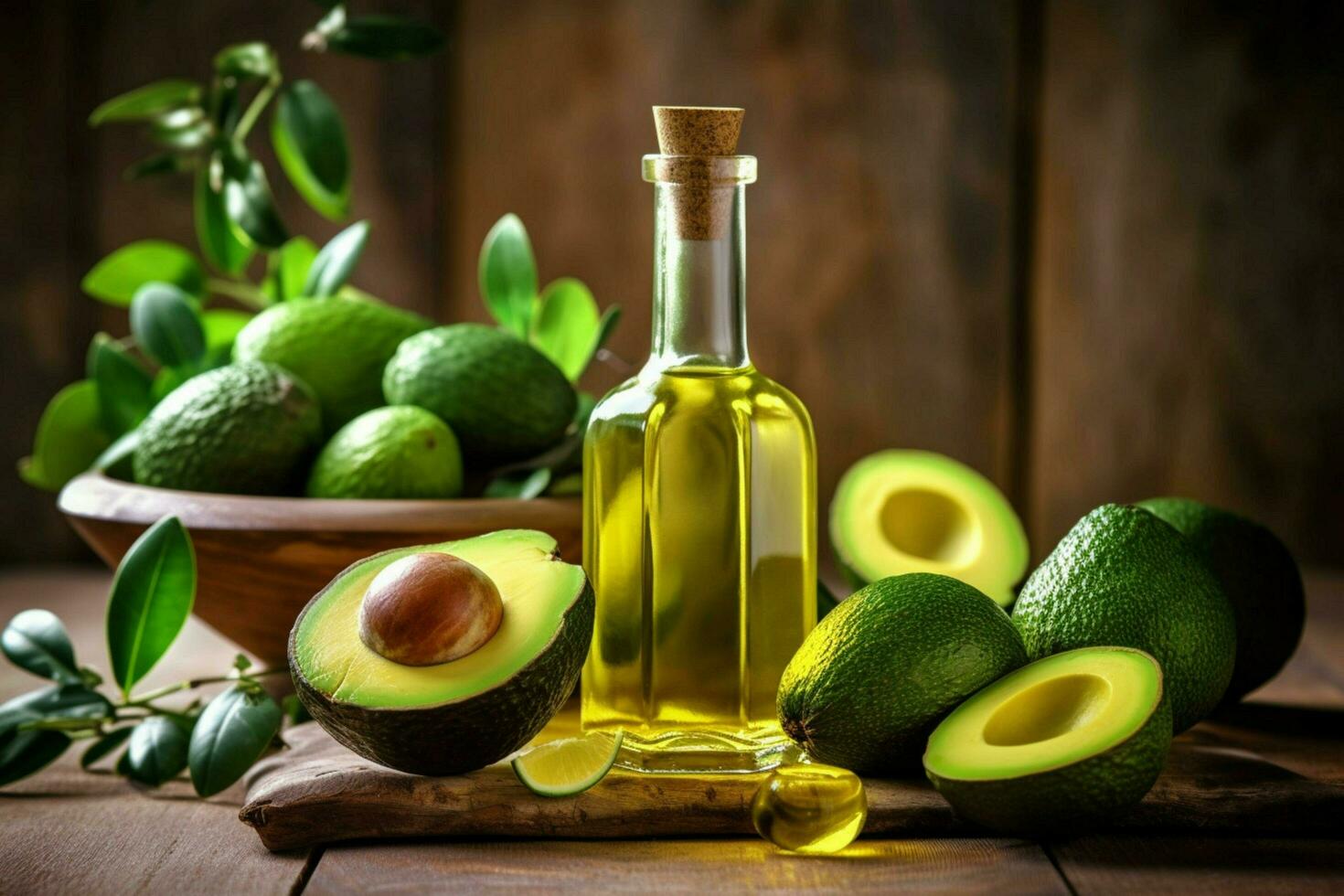
| Avocado Oil: Extracted from avocados, this oil is high in monounsaturated fats and has a mild, buttery flavor. It has a high smoke point and is versatile for cooking, baking, and as a finishing oil. |
| Grapeseed Oil: Pressed from grape seeds, this oil has a clean, light taste and is rich in polyunsaturated fats. It has a moderately high smoke point and is good for sautéing, frying, and in salad dressings. |
| Coconut Oil: Derived from coconut meat, this oil is solid at room temperature and has a distinct coconut flavor. It's high in saturated fats and is often used in baking, cooking, and as a dairy-free substitute for butter. |
| Olive Oil: Pressed from olives, this oil comes in various grades (extra virgin, virgin, light) and has a distinct flavor. It's rich in monounsaturated fats and antioxidants, and is commonly used in Mediterranean cuisine, salad dressings, and low-heat cooking. |
Health Information
? Frequently Asked Questions
4 questions1 Does safflower oil have gluten?
2 What oils are not gluten-free?
3 What is safflower oil made from?
4 Is safflower oil a common allergen?
Our Expert
Drs. Ilse van Asperen
Orthomolecular Therapist, Nutritional Coach & Professional Editor
Drs. Ilse van Asperen is a medical doctor specialising in orthomolecular therapy and nutritional coaching. With a background in public and clinical health research and management, she focuses on addressing the root causes of health issues through diet, gut health, and stress reduction. As a professional editor for Little Helpers, she reviews all gluten-free content to ensure accuracy, safety, and scientific credibility. Read more on Drs. Ilse van Asperen's own website
Our Sources
The information on this page is based on reputable health and nutrition organisations, ensuring accuracy and reliability for anyone following a gluten-free diet. For further details, see the sources below.