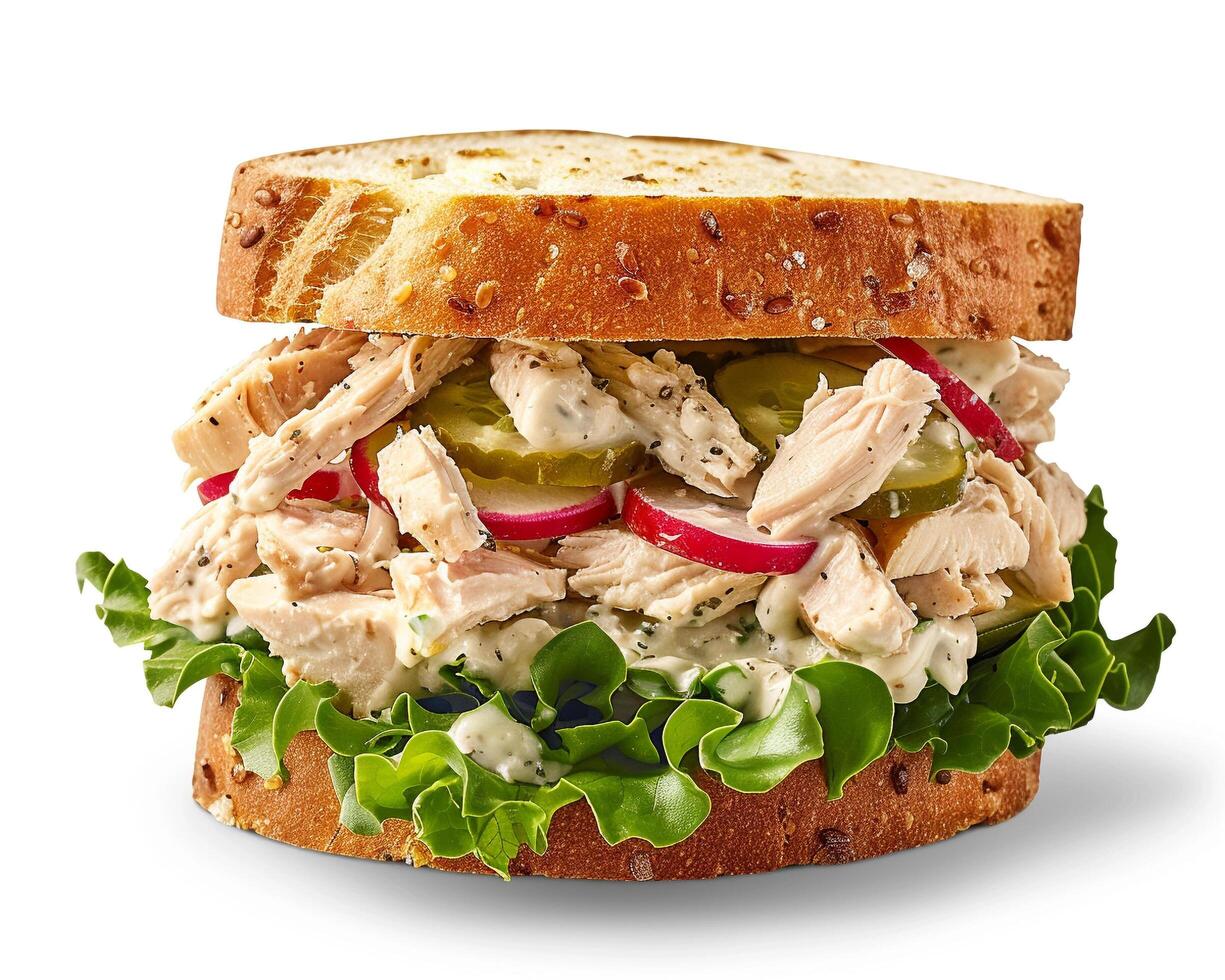
Is Salad Dressing Gluten Free?

Is Salad Dressing Gluten Free?

Most basic salad dressings, such as oil and vinegar-based vinaigrettes, are naturally gluten-free. However, some commercial dressings may contain gluten-containing ingredients like malt vinegar or wheat-based thickeners, so it’s important to check labels carefully if you’re following a gluten-free diet.

TL;DR

Most basic salad dressings, such as oil and vinegar-based vinaigrettes, are naturally gluten-free. However, some commercial dressings may contain gluten-containing ingredients like malt vinegar or wheat-based thickeners, so it’s important to check labels carefully if you’re following a gluten-free diet.

Quick Tips

1

Enhances nutrient absorption: Some vitamins (A, D, E, and K) are fat-soluble, and the oils in dressings help your body absorb these nutrients from vegetables.

2

Provides healthy fats: Dressings made with olive oil, avocado oil, or nut oils can provide heart-healthy monounsaturated and polyunsaturated fats.

3

Adds flavor: Makes salads more palatable, encouraging increased vegetable consumption.

# In This Article

3 sections

Quick navigation to each section of this article:

1 Benefits of Salad Dressing

Enhances nutrient absorption: Some vitamins (A, D, E, and K) are fat-soluble, and the oils in dressings help your body absorb these nutrients from vegetables.

Jump
2 Who should avoid Salad Dressing

People with food allergies: Many dressings contain common allergens like eggs, dairy, nuts, or soy.

Jump
3 Gluten Free Alternatives

Here are five gluten-free alternatives to traditional salad dressings, along with short descriptions:

Jump

Benefits of Salad Dressing

Benefits of Salad Dressing
Enhances nutrient absorption: Some vitamins (A, D, E, and K) are fat-soluble, and the oils in dressings help your body absorb these nutrients from vegetables.
Provides healthy fats: Dressings made with olive oil, avocado oil, or nut oils can provide heart-healthy monounsaturated and polyunsaturated fats.
Adds flavor: Makes salads more palatable, encouraging increased vegetable consumption.
Offers additional nutrients: Ingredients like herbs, spices, and vinegar can provide extra vitamins, minerals, and antioxidants.
Supports weight management: When used in moderation, dressings can make salads more satisfying, potentially reducing overall calorie intake.
Promotes digestive health: Some dressings contain probiotics (like yogurt-based dressings) or prebiotics that support gut health.
Balances blood sugar: The fats and acids in dressings can slow down the absorption of carbohydrates, potentially helping to stabilize blood sugar levels.
Provides antioxidants: Many dressings contain ingredients rich in antioxidants, which help fight oxidative stress in the body.
Supports heart health: Certain dressings, especially those with olive oil, may help reduce inflammation and support cardiovascular health.
Enhances hydration: Oil-based dressings can help retain moisture in salad greens, contributing to overall hydration.Remember, these benefits are most pronounced when using dressings made with healthy ingredients and consumed in moderation.

Who should avoid Salad Dressing

Who should avoid Salad Dressing
People with food allergies: Many dressings contain common allergens like eggs, dairy, nuts, or soy.
Individuals on low-fat diets: Most dressings are high in fat content.
Those watching their calorie intake: Salad dressings can be calorie-dense.
People with high blood pressure: Some dressings are high in sodium.
Individuals with diabetes: Certain dressings may contain added sugars.
Those following a vegan or vegetarian diet: Some dressings contain animal products.
People with lactose intolerance: Creamy dressings often contain dairy.
Individuals with digestive issues: Some may find certain dressings difficult to digest.
Those on specific medication: Some medications may interact with ingredients in dressings.
People with celiac disease or gluten sensitivity: Some dressings may contain gluten.
Individuals following a low-FODMAP diet: Certain dressing ingredients may be high in FODMAPs.
Those with specific health conditions requiring dietary restrictions: Always consult with a healthcare professional.Remember, these are general guidelines, and individual needs may vary. Always check ingredients and consult with a healthcare provider if unsure.
ENJOY YOUR FAVORITE FOODS FEARLESSLY!
Don’t let gluten hold you back. Take Anti-Gluten Pills before your meal and enjoy peace of mind.
SHOP ANTI-GLUTEN PILLS
Clinically proven · Up to 86% gluten reduction · Fast acting

Gluten Free Alternatives

Here are five gluten-free alternatives to traditional salad dressings, along with short descriptions:

Gluten Free Alternatives
Olive oil and vinegar:A simple, classic dressing made by combining extra virgin olive oil with balsamic vinegar or any other vinegar of choice. This option is naturally gluten-free, low in calories, and rich in heart-healthy fats.
Lemon juice and herbs:A light and refreshing dressing made by mixing fresh lemon juice with chopped herbs like basil, parsley, or dill. This alternative is naturally gluten-free, low in calories, and provides a bright, zesty flavor to salads.
Avocado-based dressing:A creamy dressing made by blending ripe avocado with lime juice, cilantro, and seasonings. This option is gluten-free, rich in healthy fats, and provides a smooth, luxurious texture to salads.
Tahini dressing:A Middle Eastern-inspired dressing made from tahini (sesame seed paste), lemon juice, garlic, and water. This gluten-free alternative is rich in protein and minerals, offering a nutty flavor profile to salads.
Greek yogurt-based dressing:A protein-rich dressing made by combining plain Greek yogurt with herbs, spices, and a touch of honey or lemon juice. This gluten-free option is creamy, tangy, and lower in fat compared to traditional creamy dressings.

Health Information

? Frequently Asked Questions

4 questions
1 What salad dressings are gluten-free?
Most vinaigrettes and oil-based dressings are naturally gluten-free. Many creamy dressings like ranch, blue cheese, and Caesar are often gluten-free as well, but it's important to check labels. Some dressings may contain gluten-containing ingredients like malt vinegar, soy sauce, or wheat-based thickeners. When in doubt, look for dressings specifically labeled as gluten-free or make your own at home using gluten-free ingredients.
2 Why is salad dressing not gluten-free?
Most salad dressings are actually gluten-free. However, some dressings may contain gluten-containing ingredients like malt vinegar, wheat-based thickeners, or soy sauce. Additionally, cross-contamination during manufacturing can introduce gluten into otherwise gluten-free dressings. It's important for those with celiac disease or gluten sensitivity to carefully read labels or choose certified gluten-free options.
3 Is all balsamic dressing gluten-free?
Not all balsamic dressing is gluten-free. Some balsamic dressings may contain gluten-containing ingredients like malt vinegar or wheat-based thickeners. It's important to carefully check the ingredient list or look for products specifically labeled as gluten-free. If you have celiac disease or gluten sensitivity, it's best to choose balsamic dressings that are certified gluten-free or make your own using gluten-free ingredients.
4 Is Kraft salad dressing gluten-free?
Most Kraft salad dressings are gluten-free. However, it's important to always check the label, as ingredients can change over time. Kraft clearly labels any products containing gluten. If you're unsure, you can also contact Kraft directly for the most up-to-date information on specific products.
LIVE GLUTEN-FREE WITHOUT THE FUSS!
Introducing Tolerase® G, clinically proven to reduce up to 86% of gluten in under 10 minutes. Experience the freedom to eat what you love.
SHOP ANTI-GLUTEN PILLS
150mg pure Tolerase® G · Reduces gluten by 86% · Under 10 minutes

Our Expert

Drs. Ilse van Asperen, Orthomolecular Therapist and Nutritional Coach

Drs. Ilse van Asperen

Orthomolecular Therapist, Nutritional Coach & Professional Editor

Drs. Ilse van Asperen is a medical doctor specialising in orthomolecular therapy and nutritional coaching. With a background in public and clinical health research and management, she focuses on addressing the root causes of health issues through diet, gut health, and stress reduction. As a professional editor for Little Helpers, she reviews all gluten-free content to ensure accuracy, safety, and scientific credibility. Read more on Drs. Ilse van Asperen's own website

Our Sources

The information on this page is based on reputable health and nutrition organisations, ensuring accuracy and reliability for anyone following a gluten-free diet. For further details, see the sources below.

Sources

Similar Articles

Back to blog