Is Salad Gluten Free?

Is Salad Gluten Free?

Generally speaking, most salads are naturally gluten-free as they primarily consist of vegetables, fruits, and other plant-based ingredients. However, it’s important to be cautious of added ingredients like croutons, certain dressings, or other toppings that may contain gluten, so always check the specific ingredients or ask about preparation methods if you have gluten sensitivity or celiac disease.

TL;DR

Generally speaking, most salads are naturally gluten-free as they primarily consist of vegetables, fruits, and other plant-based ingredients. However, it’s important to be cautious of added ingredients like croutons, certain dressings, or other toppings that may contain gluten, so always check the specific ingredients or ask about preparation methods if you have gluten sensitivity or celiac disease.

Quick Tips

1

Provides essential vitamins and minerals

2

High in fiber, which aids digestion

3

Low in calories, supporting weight management

# In This Article

3 sections

Quick navigation to each section of this article:

1 Benefits of Salad

Provides essential vitamins and minerals

Jump
2 Who should avoid Salad

People with compromised immune systems, as raw vegetables may carry a higher risk of foodborne illness

Jump
3 Related Gluten Free Products

Here are five gluten-free options similar to salad, along with short descriptions:

Jump

Benefits of Salad

Benefits of Salad
Provides essential vitamins and minerals
High in fiber, which aids digestion
Low in calories, supporting weight management
Hydrating due to high water content in many vegetables
Rich in antioxidants, which fight free radicals
May reduce risk of heart disease
Can help lower cholesterol levels
Supports healthy blood pressure
Improves insulin sensitivity, benefiting blood sugar control
Promotes bone health through calcium and vitamin K
Enhances eye health with lutein and zeaxanthin
Boosts immune system function
Improves skin health and appearance
Aids in maintaining a healthy gut microbiome
Can increase feelings of fullness, reducing overall calorie intake
Provides a variety of textures and flavors, making meals more satisfying
Easy way to increase daily vegetable consumption
Can be customized to meet specific nutritional needs
May reduce risk of certain cancers
Supports healthy aging through nutrient-dense ingredients

Who should avoid Salad

Who should avoid Salad
People with compromised immune systems, as raw vegetables may carry a higher risk of foodborne illness
Individuals with severe food allergies to common salad ingredients (e.g., nuts, eggs, dairy)
Those on blood-thinning medications like warfarin, as leafy greens high in vitamin K can interfere with the medication
People with certain digestive disorders, such as Crohn’s disease or ulcerative colitis, during flare-ups
Individuals recovering from gastrointestinal surgery or illness
Those with difficulty swallowing or chewing raw vegetables
People on low-fiber diets for medical reasons
Individuals with certain types of food poisoning, as raw vegetables may exacerbate symptoms
Those with kidney problems who need to limit potassium intake, as some salad ingredients are high in potassium
People with conditions that require a low-oxalate diet, as some salad greens are high in oxalates
Individuals undergoing chemotherapy, who may need to avoid raw vegetables due to infection riskIt’s important to note that in many cases, modifications can be made to salads to make them suitable for these individuals. Always consult with a healthcare provider for personalized dietary advice.
ENJOY YOUR FAVORITE FOODS FEARLESSLY!
Don’t let gluten hold you back. Take Anti-Gluten Pills before your meal and enjoy peace of mind.
SHOP ANTI-GLUTEN PILLS
Clinically proven · Up to 86% gluten reduction · Fast acting

Here are five gluten-free options similar to salad, along with short descriptions:

Related Gluten Free Products
Buddha Bowl: A nutrient-rich dish featuring a variety of colorful vegetables, grains (like quinoa or rice), proteins (such as tofu or beans), and healthy fats, often served in a large bowl with a flavorful dressing.
Lettuce Wraps: A low-carb alternative to sandwiches, using large lettuce leaves as a wrap for various fillings like grilled chicken, vegetables, and gluten-free sauces.
Zucchini Noodles (Zoodles): Spiralized zucchini used as a pasta substitute, often topped with various sauces, vegetables, and proteins for a light, refreshing meal.
Cauliflower Rice Stir-Fry: Finely chopped cauliflower used as a rice substitute, stir-fried with vegetables, proteins, and gluten-free sauces for a filling, low-carb meal.
Açaí Bowl: A smoothie-like base made from açaí berries, topped with fresh fruits, nuts, seeds, and gluten-free granola for a nutritious and refreshing breakfast or snack option.

Health Information

? Frequently Asked Questions

4 questions
1 Is there any gluten in salad?
The presence of gluten in a salad depends on its ingredients. Most basic salads consisting of vegetables, fruits, and leafy greens are naturally gluten-free. However, some salad dressings, croutons, or other toppings may contain gluten. It's important to check all ingredients if you have gluten sensitivities or celiac disease.
2 Can I eat salad on a gluten-free diet?
Yes, you can definitely eat salad on a gluten-free diet. Most salad ingredients like fresh vegetables, fruits, nuts, and seeds are naturally gluten-free. However, you should be cautious about dressings and toppings, as some may contain gluten. Always check labels or make your own dressing to ensure your salad stays gluten-free.
3 Is there any gluten in Lettuce?
No, there is no gluten in lettuce. Lettuce is a naturally gluten-free vegetable. Gluten is a protein found in wheat, barley, and rye, but not in leafy greens like lettuce. Lettuce can be safely consumed by people with celiac disease or gluten sensitivity.
4 Why is Caesar salad not gluten-free?
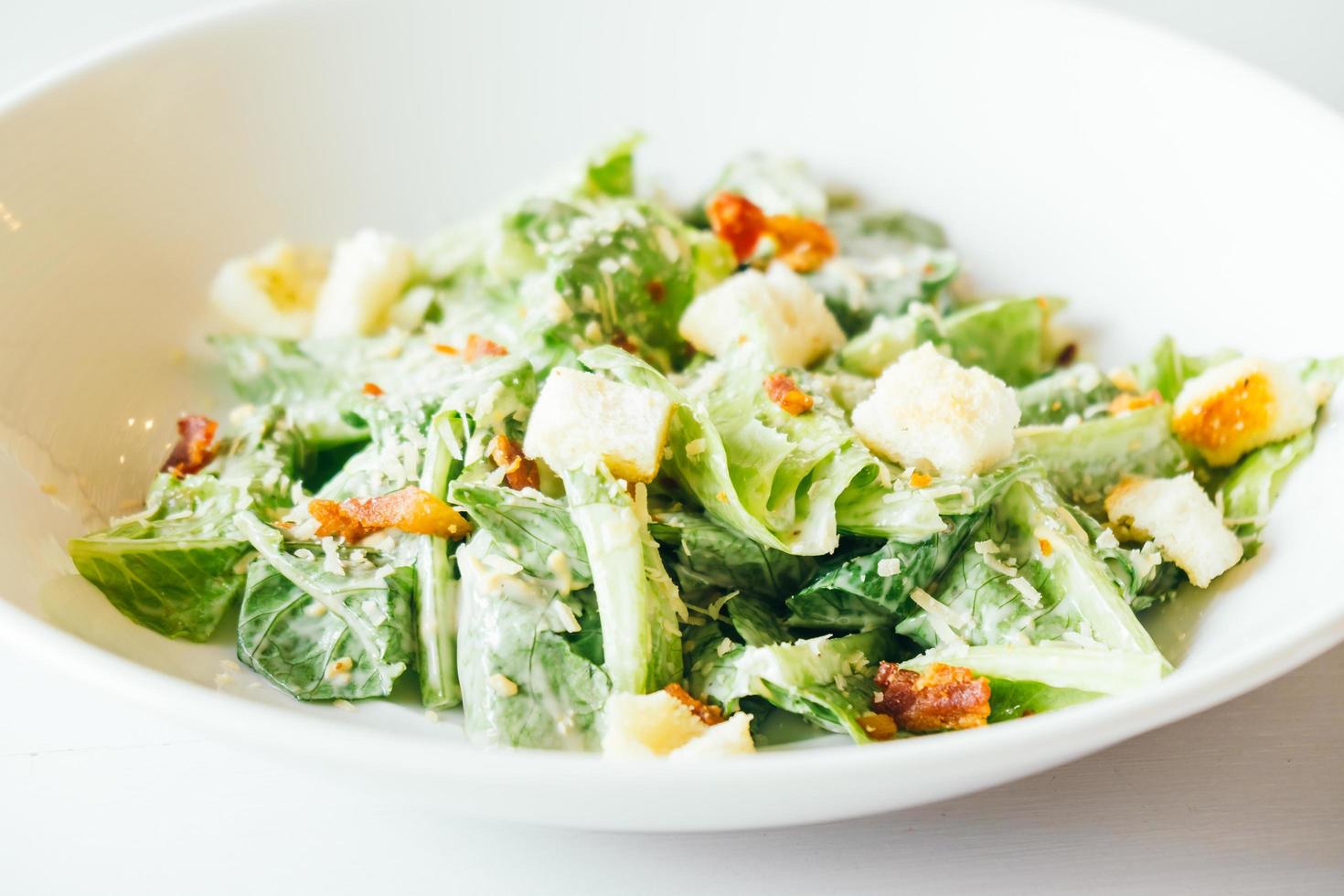
Caesar salad itself is typically gluten-free, as its main ingredients (romaine lettuce, Parmesan cheese, and Caesar dressing) do not contain gluten. However, the croutons that are traditionally added to Caesar salad are made from bread, which usually contains wheat and therefore gluten. Some restaurants may also use Worcestershire sauce in their Caesar dressing, which can contain gluten. To make a Caesar salad gluten-free, simply omit the croutons and ensure all other ingredients are gluten-free.
LIVE GLUTEN-FREE WITHOUT THE FUSS!
Introducing Tolerase® G, clinically proven to reduce up to 86% of gluten in under 10 minutes. Experience the freedom to eat what you love.
SHOP ANTI-GLUTEN PILLS
150mg pure Tolerase® G · Reduces gluten by 86% · Under 10 minutes

Our Expert

Drs. Ilse van Asperen, Orthomolecular Therapist and Nutritional Coach

Drs. Ilse van Asperen

Orthomolecular Therapist, Nutritional Coach & Professional Editor

Drs. Ilse van Asperen is a medical doctor specialising in orthomolecular therapy and nutritional coaching. With a background in public and clinical health research and management, she focuses on addressing the root causes of health issues through diet, gut health, and stress reduction. As a professional editor for Little Helpers, she reviews all gluten-free content to ensure accuracy, safety, and scientific credibility. Read more on Drs. Ilse van Asperen's own website

Our Sources

The information on this page is based on reputable health and nutrition organisations, ensuring accuracy and reliability for anyone following a gluten-free diet. For further details, see the sources below.

Sources

Similar Articles

Back to blog