Is Sangria Gluten Free?

Is Sangria Gluten Free?

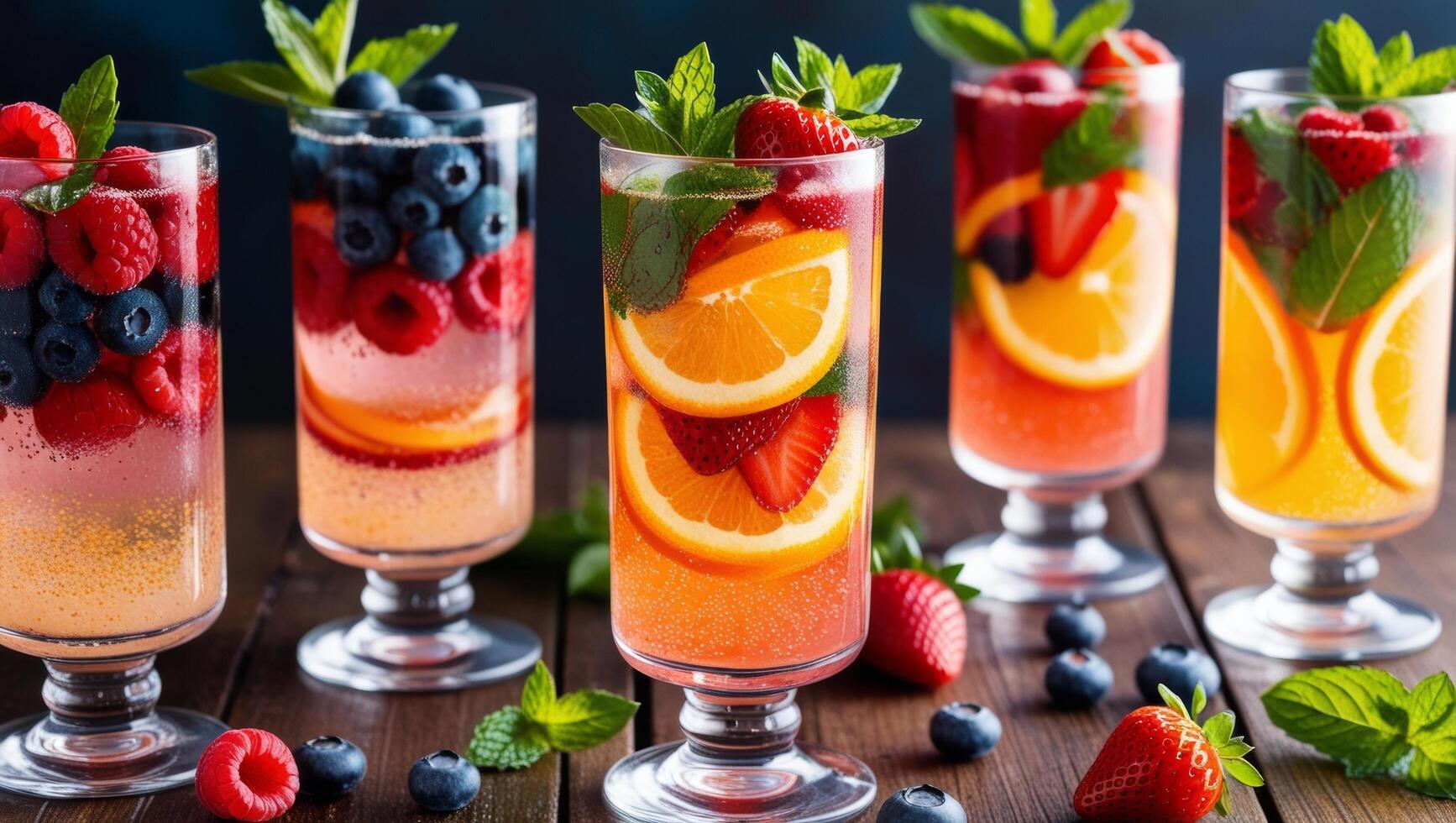
Generally, sangria is gluten-free as it is primarily made from wine, fruit, and sometimes spirits, none of which contain gluten. However, it’s important to check the specific ingredients in any pre-made sangria or recipe, as some variations might include additives or flavorings that could potentially contain gluten.

TL;DR

Generally, sangria is gluten-free as it is primarily made from wine, fruit, and sometimes spirits, none of which contain gluten. However, it’s important to check the specific ingredients in any pre-made sangria or recipe, as some variations might include additives or flavorings that could potentially contain gluten.

Quick Tips

1

Antioxidant-rich: Contains antioxidants from red wine and various fruits, which can help combat free radicals in the body.

2

Vitamin C boost: Citrus fruits commonly used in Sangria provide vitamin C, supporting immune function.

3

Social benefits: Sharing Sangria with friends can promote social bonding, which is beneficial for mental health.

# In This Article

3 sections

Quick navigation to each section of this article:

1 Benefits of Sangria

Antioxidant-rich: Contains antioxidants from red wine and various fruits, which can help combat free radicals in the body.

Jump
2 Who should avoid Sangria

Pregnant women: Alcohol consumption during pregnancy can lead to birth defects and other health issues for the developing fetus.

Jump
3 Related Gluten Free Products

Here are five gluten-free options similar to Sangria, along with short descriptions:

Jump

Benefits of Sangria

Benefits of Sangria
Antioxidant-rich: Contains antioxidants from red wine and various fruits, which can help combat free radicals in the body.
Vitamin C boost: Citrus fruits commonly used in Sangria provide vitamin C, supporting immune function.
Social benefits: Sharing Sangria with friends can promote social bonding, which is beneficial for mental health.
Flavonoid content: Fruits and wine contain flavonoids, which may have anti-inflammatory properties.
Mineral content: Fruits used in Sangria provide various minerals essential for bodily functions.Remember, these benefits are associated with moderate consumption. Excessive alcohol intake can lead to numerous health problems and outweigh any potential benefits.

Who should avoid Sangria

Who should avoid Sangria
Pregnant women: Alcohol consumption during pregnancy can lead to birth defects and other health issues for the developing fetus.
Individuals under the legal drinking age: The legal drinking age varies by country, but in many places, it’s 18 or 21 years old.
People with alcohol use disorders or those in recovery from alcohol addiction: Sangria contains alcohol and can trigger relapse.
Individuals taking medications that interact negatively with alcohol: Many medications can have dangerous interactions with alcohol.
People with liver disease or other conditions affected by alcohol consumption: Alcohol can exacerbate liver problems and other health issues.
Designated drivers or those operating heavy machinery: Sangria can impair judgment and reaction times.
Individuals with allergies to specific fruits or wine ingredients commonly used in sangria: Some people may have allergic reactions to components of sangria.
Those following certain religious or cultural practices that prohibit alcohol consumption: Some religions and cultures forbid the consumption of alcoholic beverages.
People with a history of alcohol-related health problems: This includes conditions like pancreatitis or certain cancers.
Individuals with sulfite sensitivities: Many wines contain sulfites, which can cause reactions in sensitive individuals.Remember, it’s always best to consult with a healthcare professional for personalized advice regarding alcohol consumption.
ENJOY YOUR FAVORITE FOODS FEARLESSLY!
Don’t let gluten hold you back. Take Anti-Gluten Pills before your meal and enjoy peace of mind.
SHOP ANTI-GLUTEN PILLS
Clinically proven · Up to 86% gluten reduction · Fast acting

Here are five gluten-free options similar to Sangria, along with short descriptions:

Related Gluten Free Products
Mojito: A refreshing Cuban cocktail made with white rum, lime juice, sugar, mint leaves, and soda water. It's naturally gluten-free and offers a crisp, minty flavor perfect for warm weather.
Pimm's Cup: A popular British summer drink made with Pimm's No. 1 (a gin-based liqueur), lemonade, and fresh fruits. It's generally gluten-free, but always check the specific Pimm's product used.
Caipirinha: Brazil's national cocktail, made with cachaça (a sugarcane spirit), lime, and sugar. It's naturally gluten-free and provides a sweet and tangy flavor profile.
Margarita: A classic Mexican cocktail made with tequila, lime juice, and triple sec or Cointreau. It's typically gluten-free and offers a balance of sweet, sour, and salty flavors.
Agua Fresca: A non-alcoholic Mexican beverage made by blending fresh fruits with water and a touch of sugar. It's naturally gluten-free and can be customized with various fruits for a refreshing, light drink.Remember to always check the specific ingredients and manufacturing processes of any pre-made mixes or liqueurs to ensure they are truly gluten-free.

Health Information

? Frequently Asked Questions

4 questions
1 Does sangria have gluten in it?
Traditional sangria does not typically contain gluten. Sangria is usually made with wine, fruit, and sometimes liquor, none of which contain gluten. However, some sangria recipes might include additives or flavorings that could potentially contain gluten. If you have celiac disease or gluten sensitivity, it's always best to check the specific ingredients or ask the manufacturer to be certain.
2 What is sangria typically made of?
Sangria is a popular Spanish alcoholic beverage typically made with red wine as the base. It usually includes chopped fresh fruit such as oranges, lemons, and apples. Sangria often incorporates additional spirits like brandy or rum for an extra kick. The mixture is typically sweetened with sugar and sometimes includes carbonated water or lemon-lime soda for effervescence.
3 Is there any gluten in wine?
Generally, wine is considered gluten-free. The fermentation process used to make wine typically does not involve any gluten-containing ingredients. However, some wines may have trace amounts of gluten if they are aged in barrels sealed with wheat paste or if gluten-containing additives are used. For those with severe gluten sensitivity or celiac disease, it's best to check with the specific winemaker or choose wines labeled as gluten-free.
4 What drinks have no gluten?
Many drinks are naturally gluten-free. These include water, coffee, tea, most sodas, fruit juices, and wine. Hard liquors like vodka, gin, and whiskey are also typically gluten-free, even if made from gluten-containing grains, due to the distillation process. However, it's always best to check labels or contact manufacturers if you have celiac disease or severe gluten sensitivity, as some beverages may contain added ingredients or be processed in facilities that handle gluten.
LIVE GLUTEN-FREE WITHOUT THE FUSS!
Introducing Tolerase® G, clinically proven to reduce up to 86% of gluten in under 10 minutes. Experience the freedom to eat what you love.
SHOP ANTI-GLUTEN PILLS
150mg pure Tolerase® G · Reduces gluten by 86% · Under 10 minutes

Our Expert

Drs. Ilse van Asperen, Orthomolecular Therapist and Nutritional Coach

Drs. Ilse van Asperen

Orthomolecular Therapist, Nutritional Coach & Professional Editor

Drs. Ilse van Asperen is a medical doctor specialising in orthomolecular therapy and nutritional coaching. With a background in public and clinical health research and management, she focuses on addressing the root causes of health issues through diet, gut health, and stress reduction. As a professional editor for Little Helpers, she reviews all gluten-free content to ensure accuracy, safety, and scientific credibility. Read more on Drs. Ilse van Asperen's own website

Our Sources

The information on this page is based on reputable health and nutrition organisations, ensuring accuracy and reliability for anyone following a gluten-free diet. For further details, see the sources below.
Sources

Similar Articles

Back to blog