Share
TL;DR
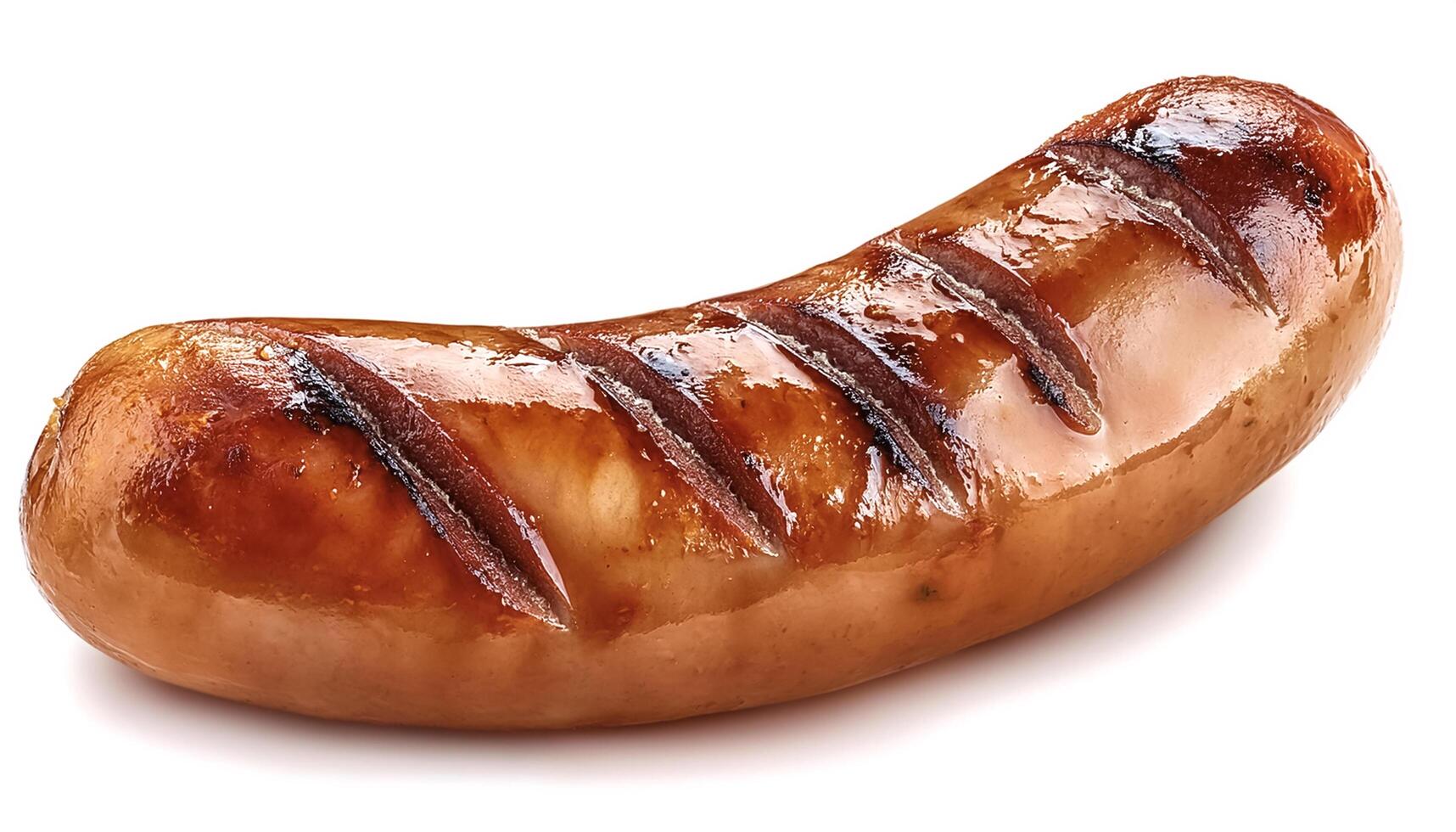
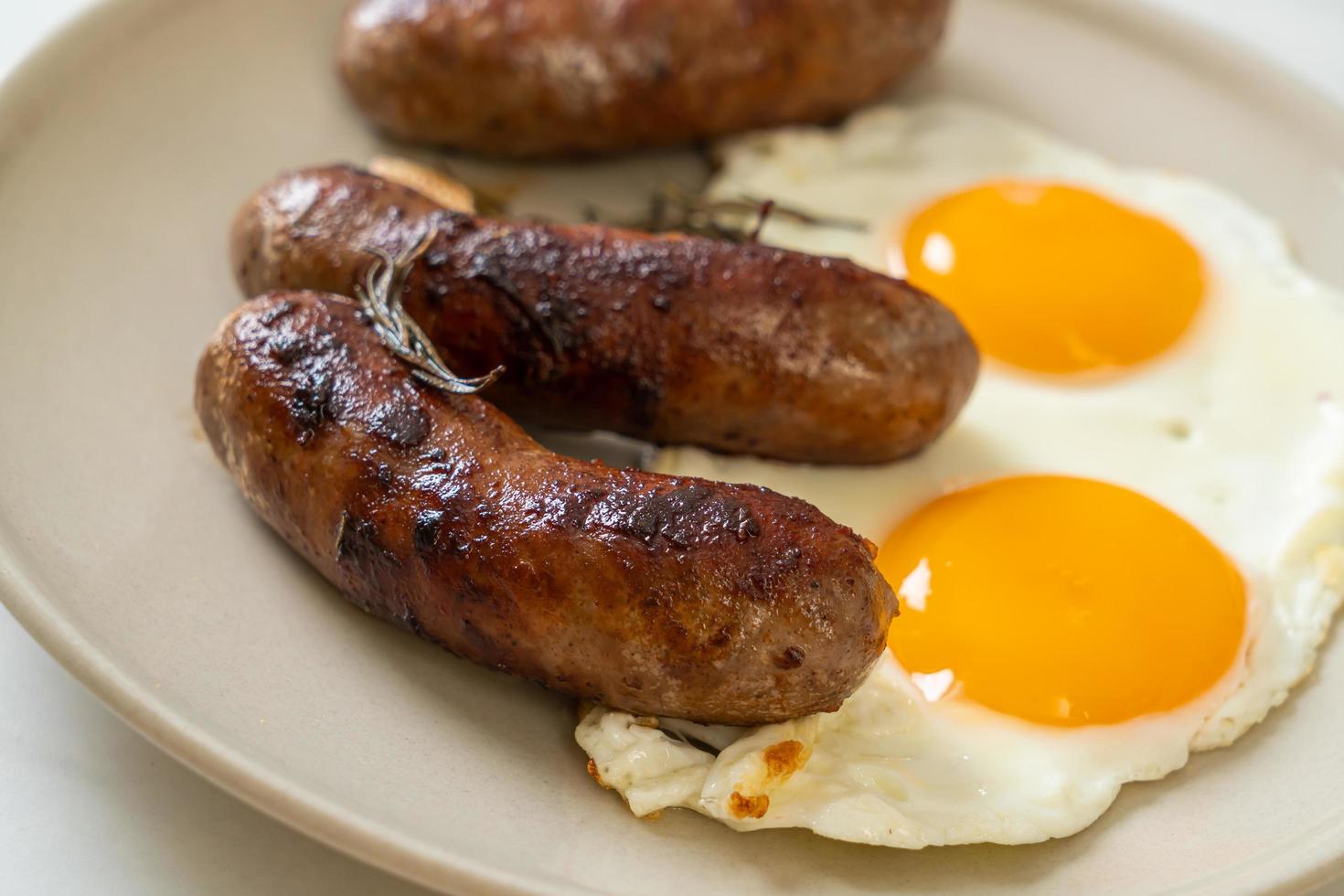
Most traditional sausages are gluten-free as they are primarily made from meat, fat, and spices. However, some sausages may contain gluten-based fillers or binders, so it’s always best to check the label or ask the manufacturer to be certain.
Quick Tips
1High protein content: Sausages are a good source of protein, which is essential for muscle growth and repair.
2Nutrient-rich: Many sausages contain vitamins and minerals like vitamin B12, zinc, and selenium.
3Convenience: They are easy to prepare and can be quickly cooked for a meal.
# In This Article
3 sectionsQuick navigation to each section of this article:
1 Benefits of Sausage
High protein content: Sausages are a good source of protein, which is essential for muscle growth and repair.
Jump2 Who should avoid Sausage
People with high cholesterol or heart disease, due to the high saturated fat content
Jump3 Gluten Free Alternatives
Here are five gluten-free alternatives to sausage:
JumpBenefits of Sausage
| Benefits of Sausage |
|---|
| High protein content: Sausages are a good source of protein, which is essential for muscle growth and repair. |
| Nutrient-rich: Many sausages contain vitamins and minerals like vitamin B12, zinc, and selenium. |
| Convenience: They are easy to prepare and can be quickly cooked for a meal. |
| Energy source: Due to their fat content, sausages can provide a good source of energy. |
| Long shelf life: Many types of sausages can be stored for extended periods, especially when cured or smoked. |
| Satiety: The combination of protein and fat in sausages can help you feel full for longer. |
| Economic value: Sausages can be an affordable meat option compared to some other cuts.It’s important to note that while sausages have these benefits, they should be consumed in moderation as part of a balanced diet due to their often high fat and sodium content. |
Who should avoid Sausage
| Who should avoid Sausage |
|---|
| People with high cholesterol or heart disease, due to the high saturated fat content |
| Individuals with hypertension (high blood pressure), because of the high sodium content |
| Those trying to lose weight or maintain a healthy weight, as sausage is often high in calories |
| People with gout or at risk for gout, due to the high purine content |
| Individuals with a history of colorectal cancer or at high risk for it |
| Those following a low-sodium diet for any medical reason |
| People with certain food allergies or intolerances (e.g., to pork, beef, or specific spices used in sausages) |
| Pregnant women, due to the risk of listeriosis from undercooked meat |
| Individuals following specific religious or cultural dietary restrictions (e.g., halal or kosher diets) |
| Those with digestive issues like irritable bowel syndrome (IBS) or inflammatory bowel disease (IBD) |
| People trying to reduce their intake of processed meats for health reasons |
| Vegetarians and vegansRemember, it’s always best to consult with a healthcare professional or registered dietitian for personalized dietary advice. |
Gluten Free Alternatives
Here are five gluten-free alternatives to sausage:
| Gluten Free Alternatives |
|---|
| Tofu Sausage:Made from compressed soybeans, tofu sausages are high in protein and can be seasoned to mimic traditional sausage flavors. They're versatile and can be used in various dishes. |
| Lentil Sausage:These plant-based sausages are made primarily from lentils and vegetables. They're high in fiber and protein, making them a nutritious alternative to meat-based sausages. |
| Chicken or Turkey Sausage:Many poultry-based sausages are naturally gluten-free. They're typically lower in fat than pork sausages and can be a good option for those looking for a leaner meat alternative. |
| Mushroom Sausage:Made primarily from mushrooms, these sausages have a meaty texture and umami flavor. They're often combined with other vegetables and spices to create a savory, gluten-free option. |
| Beef or Lamb Sausage:Many traditional beef or lamb sausages are gluten-free by nature. Always check the label to ensure no gluten-containing fillers or binders have been added during processing.Remember to always check product labels, as manufacturing processes can vary, and some products may contain gluten or be processed in facilities that handle gluten-containing ingredients. |
Health Information
? Frequently Asked Questions
2 questions1 What brands of sausages are gluten-free?
2 Is Jimmy Dean regular sausage gluten-free?
Our Expert
Drs. Ilse van Asperen
Orthomolecular Therapist, Nutritional Coach & Professional Editor
Drs. Ilse van Asperen is a medical doctor specialising in orthomolecular therapy and nutritional coaching. With a background in public and clinical health research and management, she focuses on addressing the root causes of health issues through diet, gut health, and stress reduction. As a professional editor for Little Helpers, she reviews all gluten-free content to ensure accuracy, safety, and scientific credibility. Read more on Drs. Ilse van Asperen's own website
Our Sources
The information on this page is based on reputable health and nutrition organisations, ensuring accuracy and reliability for anyone following a gluten-free diet. For further details, see the sources below.