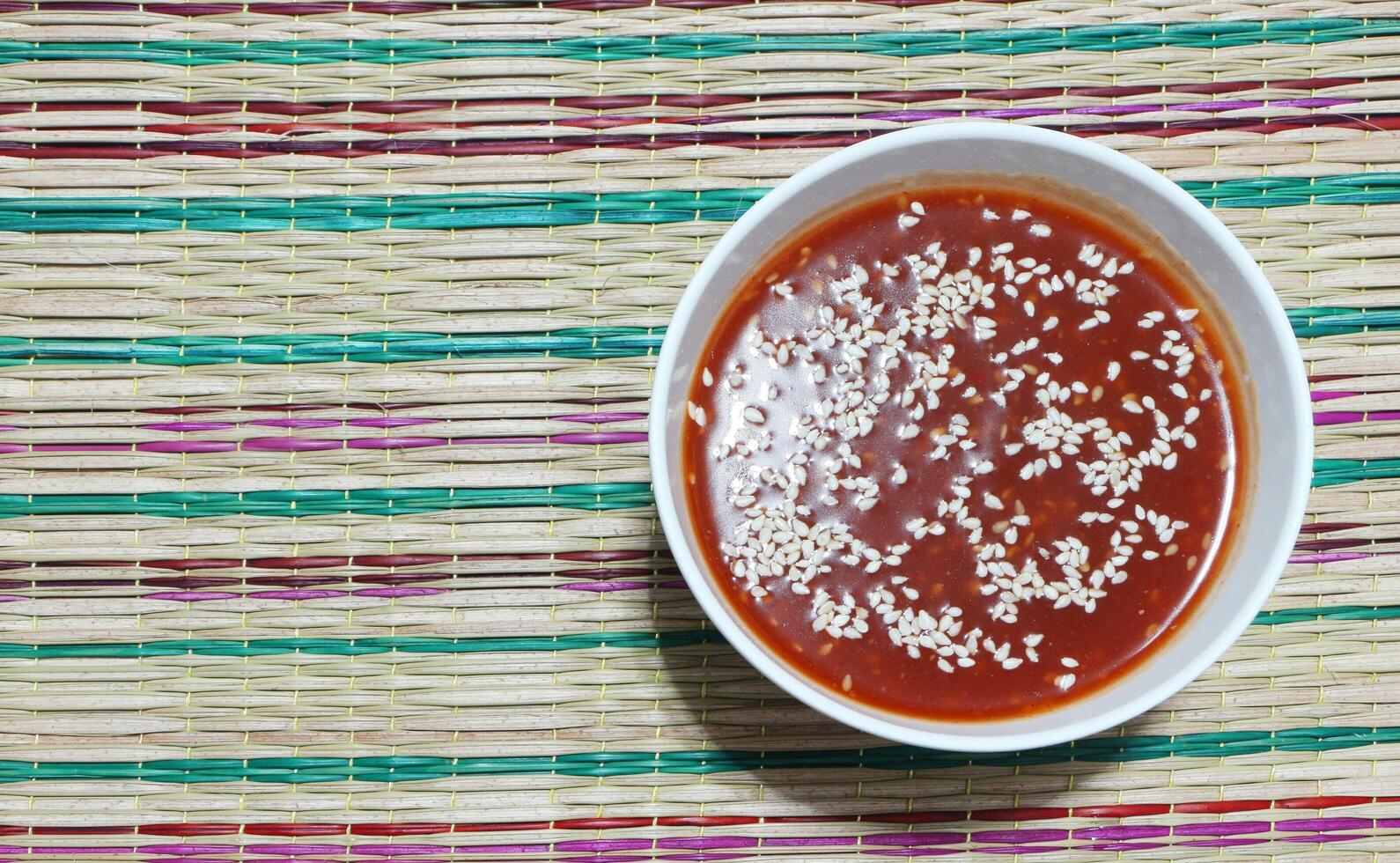
Is Sesame Gluten Free?

Is Sesame Gluten Free?

Yes, sesame seeds are naturally gluten-free. They can be safely consumed by people with celiac disease or gluten sensitivity, as long as they haven’t been processed in facilities that also handle gluten-containing products.

TL;DR

Yes, sesame seeds are naturally gluten-free. They can be safely consumed by people with celiac disease or gluten sensitivity, as long as they haven’t been processed in facilities that also handle gluten-containing products.

Quick Tips

1

Rich in antioxidants, particularly sesamin and sesamolin

2

May help lower cholesterol levels

3

Potentially reduces blood pressure

# In This Article

3 sections

Quick navigation to each section of this article:

1 Benefits of Sesame

Rich in antioxidants, particularly sesamin and sesamolin

Jump
2 Who should avoid Sesame

Individuals with a known sesame allergy

Jump
3 Related Gluten Free Products

Here are five gluten-free options similar to sesame seeds, along with short descriptions:

Jump

Benefits of Sesame

Benefits of Sesame
Rich in antioxidants, particularly sesamin and sesamolin
May help lower cholesterol levels
Potentially reduces blood pressure
Contains anti-inflammatory properties
Supports bone health due to high calcium content
May help control blood sugar levels
Provides a good source of protein and fiber
Contains heart-healthy unsaturated fats
May improve arthritis symptoms
Supports healthy skin and hair
Boosts immune system function
Aids in digestion
May have anticancer properties
Supports hormone balance, particularly in postmenopausal women
Provides a good source of vitamins and minerals, including iron, zinc, and vitamin B6
May help reduce anxiety and improve sleep quality
Supports liver health
Potentially aids in weight managementRemember to consult with a healthcare professional before making significant changes to your diet or using sesame as a supplement.

Who should avoid Sesame

Who should avoid Sesame
Individuals with a known sesame allergy
People who have experienced allergic reactions to sesame in the past
Those with a family history of sesame allergies (they should be cautious and consult an allergist)
Individuals with multiple food allergies (they should be tested for sesame allergy)
Infants and young children who haven’t been introduced to sesame yet (introduction should be done carefully under medical supervision)
People who are allergic to other seeds, as there’s a possibility of cross-reactivity
Those who have experienced unexplained allergic reactions and haven’t been tested for sesame allergy
Individuals with severe asthma or other allergic conditions who haven’t been tested for sesame allergy
People who are unsure about their allergy status and have been advised by a healthcare professional to avoid sesame
Those participating in oral food challenges or immunotherapy involving sesame (except under strict medical supervision)Remember, if you suspect a sesame allergy, it’s crucial to consult with an allergist or healthcare provider for proper diagnosis and guidance.
ENJOY YOUR FAVORITE FOODS FEARLESSLY!
Don’t let gluten hold you back. Take Anti-Gluten Pills before your meal and enjoy peace of mind.
SHOP ANTI-GLUTEN PILLS
Clinically proven · Up to 86% gluten reduction · Fast acting

Here are five gluten-free options similar to sesame seeds, along with short descriptions:

Related Gluten Free Products
Poppy seeds: Tiny, bluish-black seeds with a nutty flavor and crunchy texture. They're rich in minerals and can be used in baking, as a topping, or in dressings.
Sunflower seeds: Larger than sesame seeds, with a mild, nutty taste. They're high in vitamin E and can be eaten raw, roasted, or used in various dishes and baked goods.
Pumpkin seeds: Also known as pepitas, these flat, green seeds have a slightly chewy texture and nutty flavor. They're rich in minerals and can be used in salads, as a snack, or in baking.
Chia seeds: Small, oval-shaped seeds that are rich in omega-3 fatty acids and fiber. They can be used in smoothies, puddings, or as an egg substitute in baking.
Flax seeds: Small, brown or golden seeds with a nutty flavor. They're high in omega-3s and fiber, and can be ground and used in baking, smoothies, or as a topping for yogurt or oatmeal.

Health Information

? Frequently Asked Questions

4 questions
1 Can gluten-free people eat sesame?
Yes, people following a gluten-free diet can generally eat sesame. Sesame seeds and sesame products are naturally gluten-free. However, it's important to check labels on processed sesame products to ensure they haven't been contaminated with gluten during manufacturing. As always, individuals with celiac disease or gluten sensitivity should consult their doctor or dietitian for personalized advice.
2 Does sesame oil contain gluten?
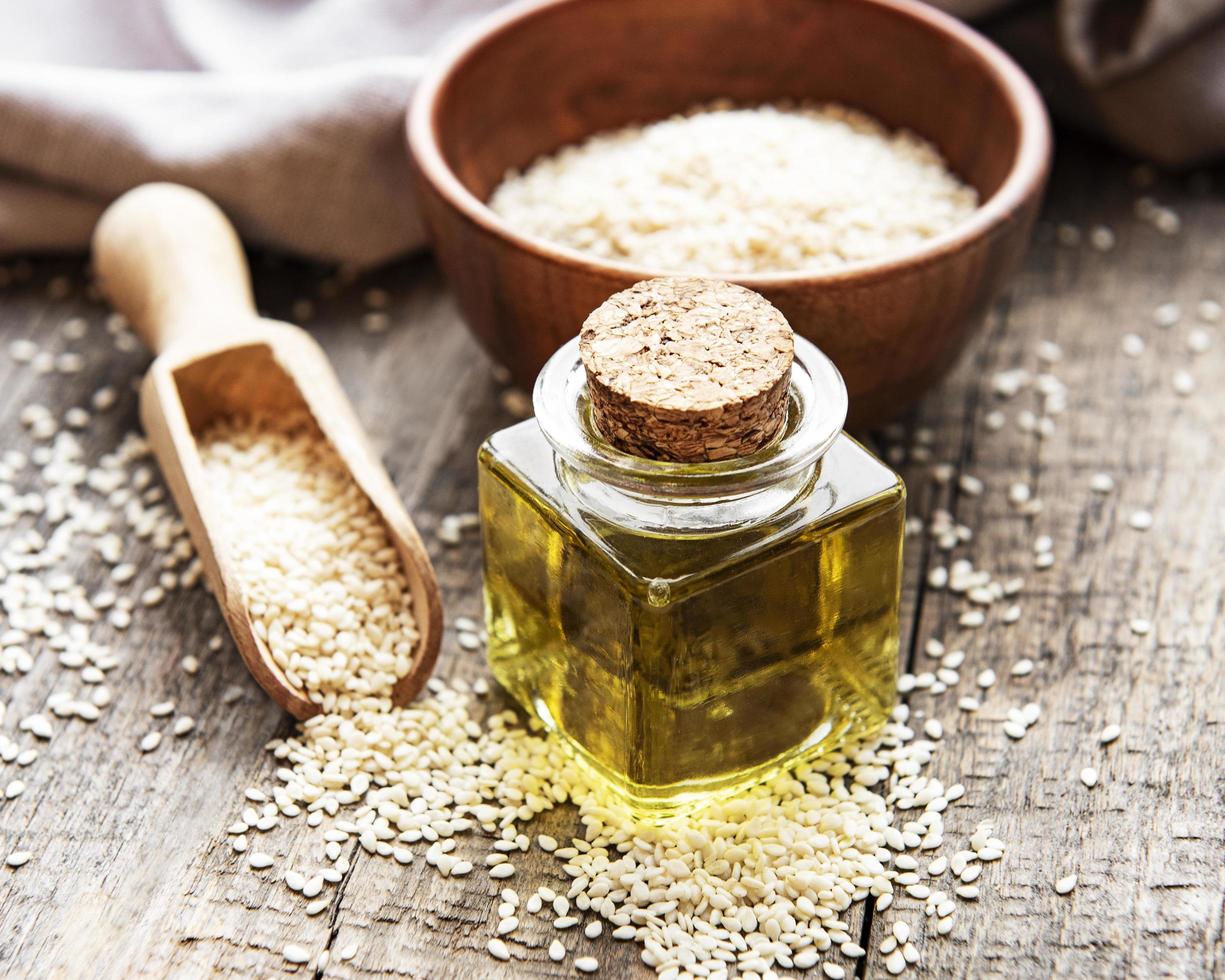
Sesame oil does not contain gluten. Gluten is a protein found in wheat, barley, and rye, while sesame oil is derived from sesame seeds. Pure sesame oil is naturally gluten-free. However, it's always best to check the label for any potential cross-contamination if you have celiac disease or gluten sensitivity.
3 What seeds contain gluten?
No seeds naturally contain gluten. Gluten is a protein found in certain grains, not in seeds. However, some seeds may be processed in facilities that also handle gluten-containing grains, potentially leading to cross-contamination. It's important for those with gluten sensitivities to check labels and choose certified gluten-free seeds if necessary.
4 Is sesame seed crust gluten-free?
Sesame seeds themselves are naturally gluten-free. However, sesame seed crusts often contain other ingredients that may include gluten. The presence of gluten in a sesame seed crust depends on the specific recipe and ingredients used. It's important to check the ingredient list or ask about preparation methods if you have gluten sensitivities or celiac disease.
LIVE GLUTEN-FREE WITHOUT THE FUSS!
Introducing Tolerase® G, clinically proven to reduce up to 86% of gluten in under 10 minutes. Experience the freedom to eat what you love.
SHOP ANTI-GLUTEN PILLS
150mg pure Tolerase® G · Reduces gluten by 86% · Under 10 minutes

Our Expert

Drs. Ilse van Asperen, Orthomolecular Therapist and Nutritional Coach

Drs. Ilse van Asperen

Orthomolecular Therapist, Nutritional Coach & Professional Editor

Drs. Ilse van Asperen is a medical doctor specialising in orthomolecular therapy and nutritional coaching. With a background in public and clinical health research and management, she focuses on addressing the root causes of health issues through diet, gut health, and stress reduction. As a professional editor for Little Helpers, she reviews all gluten-free content to ensure accuracy, safety, and scientific credibility. Read more on Drs. Ilse van Asperen's own website

Our Sources

The information on this page is based on reputable health and nutrition organisations, ensuring accuracy and reliability for anyone following a gluten-free diet. For further details, see the sources below.
Sources

Similar Articles

Back to blog