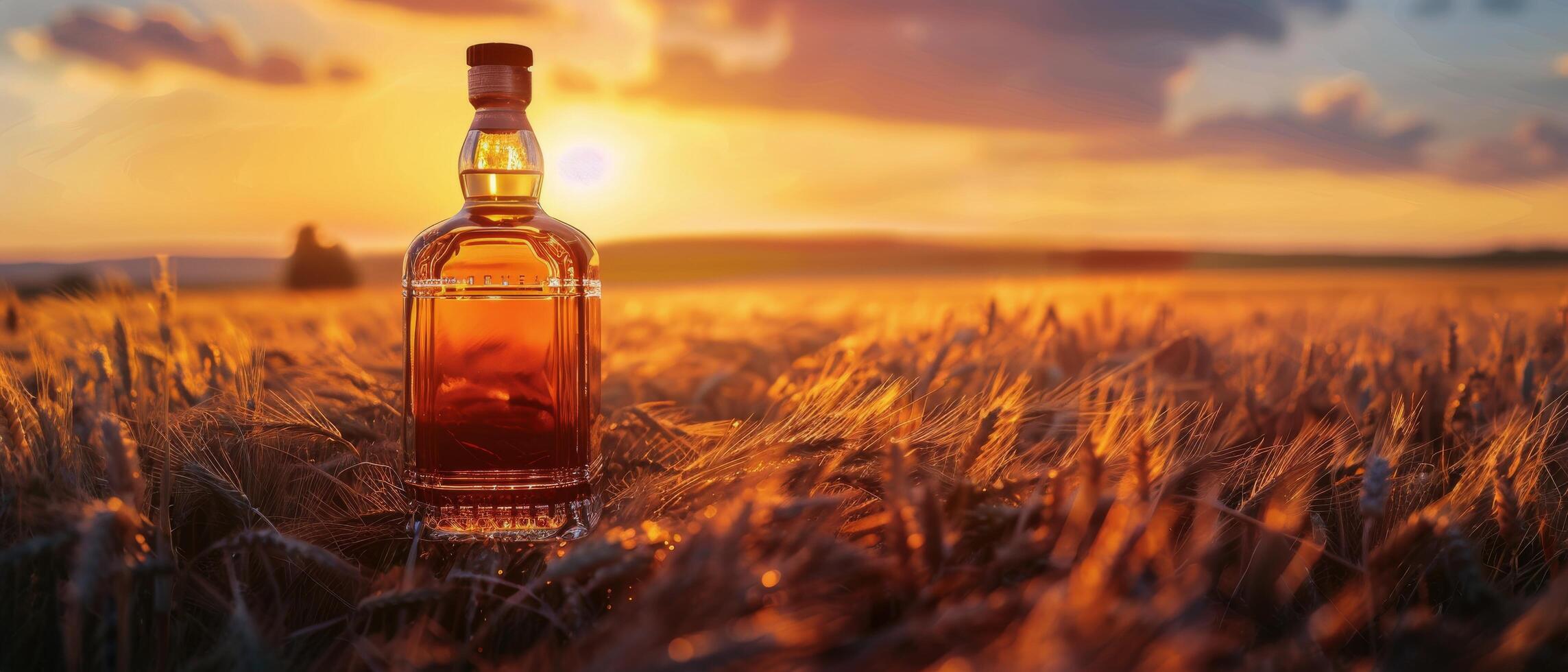
Is Single Malt Scotch Gluten Free?

Is Single Malt Scotch Gluten Free?

Single malt Scotch whisky is generally considered gluten-free, as the distillation process removes gluten proteins from the final product. However, some extremely gluten-sensitive individuals may still react to trace amounts that could potentially remain, so it’s always best to consult with a doctor if you have severe gluten intolerance or celiac disease.

TL;DR

Single malt Scotch whisky is generally considered gluten-free, as the distillation process removes gluten proteins from the final product. However, some extremely gluten-sensitive individuals may still react to trace amounts that could potentially remain, so it’s always best to consult with a doctor if you have severe gluten intolerance or celiac disease.

Quick Tips

1

Antioxidant properties: Single Malt Scotch contains ellagic acid, a powerful antioxidant that may help fight free radicals in the body.

2

Potential cardiovascular benefits: Moderate consumption may increase HDL (good) cholesterol and reduce the risk of blood clots.

3

Possible reduced risk of diabetes: Some studies suggest moderate alcohol consumption may lower the risk of developing type 2 diabetes.

# In This Article

3 sections

Quick navigation to each section of this article:

1 Benefits of Single Malt Scotch

Antioxidant properties: Single Malt Scotch contains ellagic acid, a powerful antioxidant that may help fight free radicals in the body.

Jump
2 Who should avoid Single Malt Scotch

Individuals with alcohol use disorders or those in recovery from alcoholism

Jump
3 Related Gluten Free Products

Here are five gluten-free options similar to Single Malt Scotch, along with short descriptions:

Jump

Benefits of Single Malt Scotch

Benefits of Single Malt Scotch
Antioxidant properties: Single Malt Scotch contains ellagic acid, a powerful antioxidant that may help fight free radicals in the body.
Potential cardiovascular benefits: Moderate consumption may increase HDL (good) cholesterol and reduce the risk of blood clots.
Possible reduced risk of diabetes: Some studies suggest moderate alcohol consumption may lower the risk of developing type 2 diabetes.
Cognitive function: Moderate intake has been linked to a potential reduced risk of dementia and improved cognitive function in older adults.
Stress relief: When consumed in moderation, it may help reduce stress and promote relaxation.
Digestive aid: Traditionally used as a digestif, it may help stimulate digestion after a meal.
Lower calorie content: Compared to many other alcoholic beverages, Single Malt Scotch is relatively low in calories.
Potential anti-inflammatory effects: Some compounds in whisky may have anti-inflammatory properties.
Possible reduced risk of gallstones: Moderate alcohol consumption has been associated with a lower risk of gallstone formation.Remember, these potential benefits are associated with moderate consumption, and excessive alcohol intake can lead to numerous health problems. Always consult with a healthcare professional about alcohol consumption and its effects on your individual health.

Who should avoid Single Malt Scotch

Who should avoid Single Malt Scotch
Individuals with alcohol use disorders or those in recovery from alcoholism
Pregnant women, due to the risk of fetal alcohol spectrum disorders
People taking medications that interact negatively with alcohol
Those with liver disease or other health conditions affected by alcohol consumption
Individuals with a history of pancreatitis
People with certain allergies or sensitivities to ingredients in Scotch whisky
Underage individuals, as it is illegal for them to consume alcohol
Those who need to drive or operate machinery
Individuals with religious or personal beliefs that prohibit alcohol consumption
People with a family history of alcohol abuse who may be at higher risk for developing problems
Those on a strict calorie-controlled diet, as alcohol contains empty calories
Individuals with gout, as alcohol can trigger flare-upsRemember, even for those not in these categories, moderation is key when consuming any alcoholic beverage.
ENJOY YOUR FAVORITE FOODS FEARLESSLY!
Don’t let gluten hold you back. Take Anti-Gluten Pills before your meal and enjoy peace of mind.
SHOP ANTI-GLUTEN PILLS
Clinically proven · Up to 86% gluten reduction · Fast acting

Here are five gluten-free options similar to Single Malt Scotch, along with short descriptions:

Related Gluten Free Products
Bourbon: An American whiskey made primarily from corn, aged in charred oak barrels. It offers rich flavors of vanilla, caramel, and oak with a smooth finish.
Cognac: A type of brandy from the Cognac region of France, made from distilled white wine. It has complex flavors of fruit, spice, and oak with a luxurious, smooth texture.
Rum: A spirit distilled from sugarcane byproducts, often aged in oak barrels. It can range from light and crisp to dark and rich, with flavors of molasses, vanilla, and tropical fruits.
Tequila: Made from the blue agave plant in Mexico, tequila can be unaged (silver) or aged (reposado, añejo). It offers flavors of agave, citrus, and pepper, with aged varieties developing oak and vanilla notes.
Mezcal: Another agave-based spirit from Mexico, often with a smoky flavor due to its production process. It can have complex flavors of earth, minerals, and fruits, with a distinct character different from tequila.These options are naturally gluten-free and offer a range of flavors and experiences for those looking for alternatives to Single Malt Scotch.

Health Information

? Frequently Asked Questions

4 questions
1 Can celiacs drink Scotch?
Yes, celiacs can generally drink Scotch safely. Scotch whisky is made from malted barley, but the distillation process removes the gluten proteins. The final product is considered gluten-free by most celiac organizations. However, individuals with extreme gluten sensitivity should still exercise caution and consult their doctor.
2 What whiskeys are not gluten-free?
Whiskeys made from gluten-containing grains like barley, rye, and wheat are not considered gluten-free. This includes most traditional Scotch whiskies, Irish whiskeys, and American bourbons. Some experts argue that the distillation process removes gluten proteins, but there may still be trace amounts present. For those with severe gluten sensitivities or celiac disease, it's safest to avoid these whiskeys and opt for alternatives made from gluten-free grains like corn or sorghum.
3 What whiskey is 100% gluten-free?
Whiskey made from 100% corn, such as some bourbons, is gluten-free. Additionally, any whiskey distilled from non-gluten grains like sorghum or rice is naturally gluten-free. Some experts argue that the distillation process removes gluten from all whiskeys, regardless of the grains used. However, for those with severe gluten sensitivities, it's safest to stick with whiskeys explicitly labeled as gluten-free or made from non-gluten grains.
4 Is malt bad for gluten intolerance?
Malt is generally not suitable for people with gluten intolerance. This is because malt is typically made from barley, which contains gluten. Consuming malt can trigger symptoms in those with gluten sensitivity or celiac disease. It's important for individuals with gluten intolerance to avoid malt and products containing malt ingredients.
LIVE GLUTEN-FREE WITHOUT THE FUSS!
Introducing Tolerase® G, clinically proven to reduce up to 86% of gluten in under 10 minutes. Experience the freedom to eat what you love.
SHOP ANTI-GLUTEN PILLS
150mg pure Tolerase® G · Reduces gluten by 86% · Under 10 minutes

Our Expert

Drs. Ilse van Asperen, Orthomolecular Therapist and Nutritional Coach

Drs. Ilse van Asperen

Orthomolecular Therapist, Nutritional Coach & Professional Editor

Drs. Ilse van Asperen is a medical doctor specialising in orthomolecular therapy and nutritional coaching. With a background in public and clinical health research and management, she focuses on addressing the root causes of health issues through diet, gut health, and stress reduction. As a professional editor for Little Helpers, she reviews all gluten-free content to ensure accuracy, safety, and scientific credibility. Read more on Drs. Ilse van Asperen's own website

Our Sources

The information on this page is based on reputable health and nutrition organisations, ensuring accuracy and reliability for anyone following a gluten-free diet. For further details, see the sources below.
Sources

Similar Articles

Back to blog