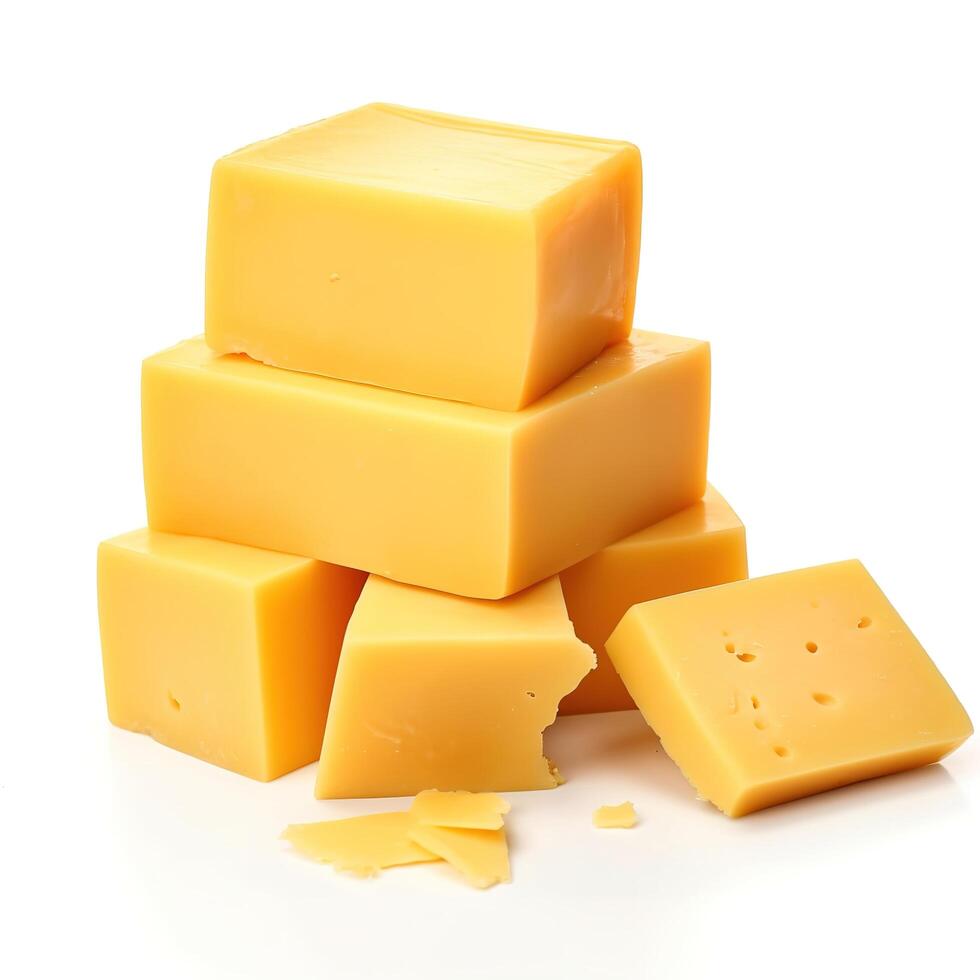
Is Sliced Cheese Gluten Free?

Is Sliced Cheese Gluten Free?

Most sliced cheese is naturally gluten-free as it’s made from milk, enzymes, and bacteria, which do not contain gluten. However, some processed cheese slices or those with added flavors may contain gluten-containing additives, so it’s always best to check the label or contact the manufacturer if you have celiac disease or gluten sensitivity.

TL;DR

Most sliced cheese is naturally gluten-free as it’s made from milk, enzymes, and bacteria, which do not contain gluten. However, some processed cheese slices or those with added flavors may contain gluten-containing additives, so it’s always best to check the label or contact the manufacturer if you have celiac disease or gluten sensitivity.

Quick Tips

1

Good source of protein: Cheese provides essential amino acids for muscle growth and repair.

2

Rich in calcium: Supports bone health and helps prevent osteoporosis.

3

Contains vitamin B12: Important for red blood cell formation and neurological function.

# In This Article

3 sections

Quick navigation to each section of this article:

1 Benefits of Sliced Cheese

Good source of protein: Cheese provides essential amino acids for muscle growth and repair.

Jump
2 Who should avoid Sliced Cheese

People with lactose intolerance: Many cheeses contain lactose, which can cause digestive issues for those who are intolerant.

Jump
3 Related Gluten Free Products

Here are five gluten-free options similar to Sliced Cheese, along with short descriptions:

Jump

Benefits of Sliced Cheese

Benefits of Sliced Cheese
Good source of protein: Cheese provides essential amino acids for muscle growth and repair.
Rich in calcium: Supports bone health and helps prevent osteoporosis.
Contains vitamin B12: Important for red blood cell formation and neurological function.
Provides phosphorus: Essential for bone health and energy metabolism.
Source of zinc: Supports immune function and wound healing.
Contains vitamin A: Important for eye health and immune function.
Offers conjugated linoleic acid (CLA): May have anti-inflammatory and weight management properties.
Provides probiotics (in some varieties): Can support gut health and digestion.
Contains selenium: An antioxidant that supports thyroid function and immune health.
Source of riboflavin (vitamin B2): Important for energy metabolism and cellular function.
Offers satiety: The protein and fat content can help you feel full and satisfied.
Versatile nutrient source: Easy to incorporate into various meals and snacks.Remember that cheese is also high in calories and saturated fat, so it should be consumed in moderation as part of a balanced diet.

Who should avoid Sliced Cheese

Who should avoid Sliced Cheese
People with lactose intolerance: Many cheeses contain lactose, which can cause digestive issues for those who are intolerant.
Individuals with milk allergies: Sliced cheese is typically made from cow’s milk, which can trigger allergic reactions in some people.
Those on a low-sodium diet: Many processed sliced cheeses are high in sodium, which may be problematic for people with hypertension or heart conditions.
People trying to lose weight: Cheese is often high in calories and fat, which may not align with weight loss goals.
Individuals with high cholesterol: Some cheeses are high in saturated fat, which can contribute to elevated cholesterol levels.
Those following a vegan diet: Sliced cheese is an animal product and is not suitable for vegans.
People with certain gastrointestinal conditions: Some individuals with conditions like irritable bowel syndrome (IBS) may find that cheese exacerbates their symptoms.
Those with migraine triggers: For some people, aged cheeses can trigger migraines.
Individuals on certain medications: Some medications may interact with the tyramine in certain cheeses, so it’s best to consult a doctor.
People with specific religious or cultural dietary restrictions: Some religious or cultural practices may prohibit the consumption of certain types of cheese.
ENJOY YOUR FAVORITE FOODS FEARLESSLY!
Don’t let gluten hold you back. Take Anti-Gluten Pills before your meal and enjoy peace of mind.
SHOP ANTI-GLUTEN PILLS
Clinically proven · Up to 86% gluten reduction · Fast acting

Here are five gluten-free options similar to Sliced Cheese, along with short descriptions:

Related Gluten Free Products
Sliced Dairy-Free Cheese: Plant-based cheese alternatives made from ingredients like nuts, soy, or coconut oil. These slices melt and taste similar to traditional cheese while being both gluten-free and lactose-free.
Sliced Deli Meats: Pre-sliced, gluten-free meats such as turkey, ham, or roast beef. These protein-rich options are convenient for sandwiches or snacking and are naturally gluten-free when not processed with gluten-containing additives.
Sliced Avocado: Creamy, nutrient-dense fruit that can be easily sliced and used as a spread or topping. Avocados are naturally gluten-free and provide healthy fats and vitamins.
Sliced Hard-Boiled Eggs: Pre-cooked and sliced eggs that are high in protein and naturally gluten-free. They make an excellent addition to salads or sandwiches and are convenient for quick snacks.
Sliced Gluten-Free Bread: Specially formulated bread made from gluten-free grains like rice, corn, or millet. These slices are designed to mimic the taste and texture of traditional bread while being safe for those with gluten sensitivities or celiac disease.

Health Information

? Frequently Asked Questions

4 questions
1 What cheese slices are gluten-free?
Most natural cheese slices are naturally gluten-free. This includes popular varieties like cheddar, mozzarella, Swiss, and provolone. However, some processed cheese slices or those with added flavors may contain gluten-containing ingredients. It's always best to check the label or contact the manufacturer if you're unsure about a specific cheese product's gluten content.
2 Which cheese isn t gluten-free?
Most natural cheeses are gluten-free. However, some processed cheese products may contain gluten as an additive or binding agent. Blue cheese can sometimes contain gluten due to the mold cultures used. It's important to check labels carefully, especially for flavored or specialty cheese products.
3 Can you eat cheese if you have celiac disease?
Most people with celiac disease can safely eat cheese. Pure cheese is naturally gluten-free, as it's made from milk, salt, and enzymes. However, some processed cheeses or cheese products may contain gluten additives, so it's important to check labels carefully. As long as you stick to plain, natural cheeses, they should be safe for those with celiac disease to consume.
4 Is Borden sliced cheese gluten-free?
Yes, Borden sliced cheese is generally gluten-free. Cheese is naturally gluten-free as it is made from milk, enzymes, and bacteria. However, it's always important to check the specific product label for any potential additives or cross-contamination warnings. Borden does not make any gluten-free claims on their website, so it's best to verify each individual product.
LIVE GLUTEN-FREE WITHOUT THE FUSS!
Introducing Tolerase® G, clinically proven to reduce up to 86% of gluten in under 10 minutes. Experience the freedom to eat what you love.
SHOP ANTI-GLUTEN PILLS
150mg pure Tolerase® G · Reduces gluten by 86% · Under 10 minutes

Our Expert

Drs. Ilse van Asperen, Orthomolecular Therapist and Nutritional Coach

Drs. Ilse van Asperen

Orthomolecular Therapist, Nutritional Coach & Professional Editor

Drs. Ilse van Asperen is a medical doctor specialising in orthomolecular therapy and nutritional coaching. With a background in public and clinical health research and management, she focuses on addressing the root causes of health issues through diet, gut health, and stress reduction. As a professional editor for Little Helpers, she reviews all gluten-free content to ensure accuracy, safety, and scientific credibility. Read more on Drs. Ilse van Asperen's own website

Our Sources

The information on this page is based on reputable health and nutrition organisations, ensuring accuracy and reliability for anyone following a gluten-free diet. For further details, see the sources below.
Sources

Similar Articles

Back to blog