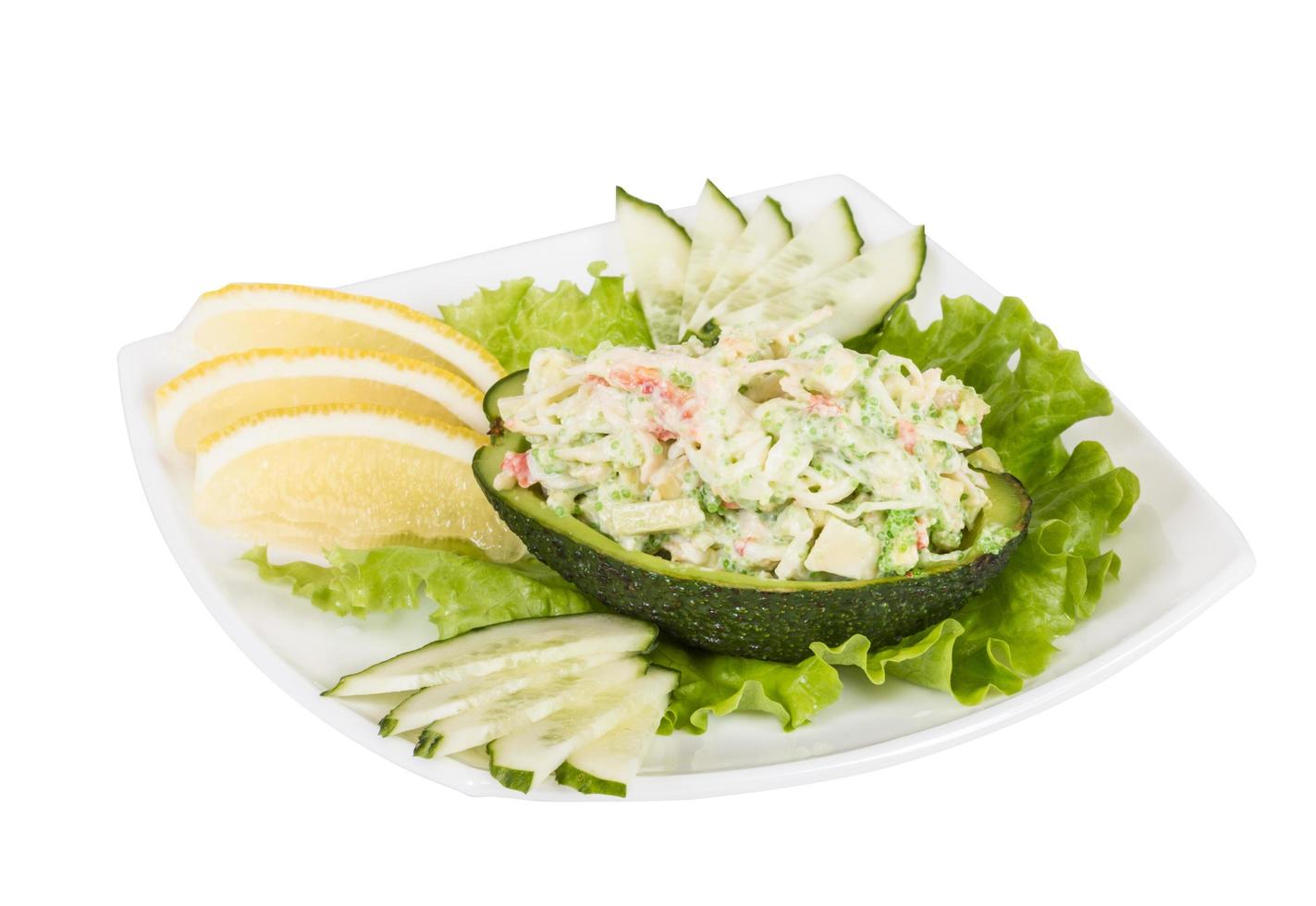
Is Snow Crab Gluten Free?

Is Snow Crab Gluten Free?

Yes, snow crab is naturally gluten-free as it is a type of seafood and does not contain any wheat, barley, rye, or other gluten-containing grains. However, it’s important to be cautious of any added ingredients or seasonings used in preparing snow crab dishes, as these may potentially contain gluten.

TL;DR

Yes, snow crab is naturally gluten-free as it is a type of seafood and does not contain any wheat, barley, rye, or other gluten-containing grains. However, it’s important to be cautious of any added ingredients or seasonings used in preparing snow crab dishes, as these may potentially contain gluten.

Quick Tips

1

High in protein: Excellent source of lean protein for muscle growth and repair

2

Low in calories: Ideal for weight management and calorie-controlled diets

3

Rich in omega-3 fatty acids: Supports heart health and reduces inflammation

# In This Article

3 sections

Quick navigation to each section of this article:

1 Benefits of Snow Crab

High in protein: Excellent source of lean protein for muscle growth and repair

Jump
2 Who should avoid Snow Crab

People with shellfish allergies: Snow crab is a type of shellfish and can cause severe allergic reactions in those with shellfish allergies.

Jump
3 Related Gluten Free Products

Here are five similar gluten-free options like Snow Crab, along with short descriptions:

Jump

Benefits of Snow Crab

Benefits of Snow Crab
High in protein: Excellent source of lean protein for muscle growth and repair
Low in calories: Ideal for weight management and calorie-controlled diets
Rich in omega-3 fatty acids: Supports heart health and reduces inflammation
Good source of vitamin B12: Important for nerve function and red blood cell formation
Contains selenium: An antioxidant that supports thyroid function and immune system
Provides zinc: Essential for immune function and wound healing
Source of copper: Aids in iron absorption and supports bone health
Contains phosphorus: Important for bone and teeth health
Low in saturated fat: Beneficial for heart health and cholesterol management
Provides iodine: Crucial for thyroid function and metabolism regulation
Contains choline: Supports brain function and development
Offers a good amount of vitamin C: Boosts immune system and aids in collagen production
Provides magnesium: Important for muscle and nerve function, as well as energy productionRemember that these benefits are best obtained when the snow crab is prepared in a healthy manner, such as steamed or boiled, rather than fried or served with high-calorie sauces.

Who should avoid Snow Crab

Who should avoid Snow Crab
People with shellfish allergies: Snow crab is a type of shellfish and can cause severe allergic reactions in those with shellfish allergies.
Individuals with high blood pressure: Snow crab is high in sodium, which can be problematic for those managing hypertension.
People with gout: Snow crab is high in purines, which can trigger gout attacks in susceptible individuals.
Pregnant women: While cooked crab is generally safe, pregnant women should avoid raw or undercooked crab due to the risk of foodborne illness.
Young children: Due to the risk of choking and potential allergies, it’s best to introduce shellfish carefully and under supervision.
People taking certain medications: Those on blood thinners should consult their doctor, as snow crab is high in vitamin K, which can interfere with these medications.
Individuals with iodine sensitivity: Crab is high in iodine, which could be problematic for some people.
Those with compromised immune systems: They should be cautious with all seafood due to the potential risk of foodborne illness.
People on a low-cholesterol diet: Snow crab is relatively high in cholesterol, though it’s low in saturated fat.Always consult with a healthcare professional if you have concerns about including snow crab in your diet.
ENJOY YOUR FAVORITE FOODS FEARLESSLY!
Don’t let gluten hold you back. Take Anti-Gluten Pills before your meal and enjoy peace of mind.
SHOP ANTI-GLUTEN PILLS
Clinically proven · Up to 86% gluten reduction · Fast acting

Here are five similar gluten-free options like Snow Crab, along with short descriptions:

Related Gluten Free Products
Surimi (Imitation Crab):A processed seafood product made from white fish meat, typically pollock. It's flavored and shaped to resemble crab meat. While many brands contain gluten, some manufacturers offer gluten-free versions.
Langostino:Small, lobster-like crustaceans with sweet, delicate meat. They're often used as a more affordable alternative to lobster in seafood dishes and are naturally gluten-free.
Shrimp:A popular shellfish with a mild, slightly sweet flavor. Shrimp are versatile, widely available, and naturally gluten-free, making them an excellent substitute for crab in many recipes.
Lobster:A luxurious seafood option with firm, sweet meat. While more expensive than crab, lobster is naturally gluten-free and can be used in similar dishes for a more indulgent experience.
Monkfish:Often called "poor man's lobster," monkfish has a firm, slightly sweet flesh that can mimic the texture of crab or lobster meat. It's a gluten-free fish that works well in many seafood recipes.

Health Information

? Frequently Asked Questions

4 questions
1 Is snow crab mix gluten free?
Snow crab mix typically does not contain gluten ingredients. However, it's important to check the specific brand and product label to be certain. Some pre-made mixes may include additives or seasonings that contain gluten. If you have celiac disease or gluten sensitivity, it's safest to verify with the manufacturer or choose a product explicitly labeled gluten-free.
2 What is snow crab made of?
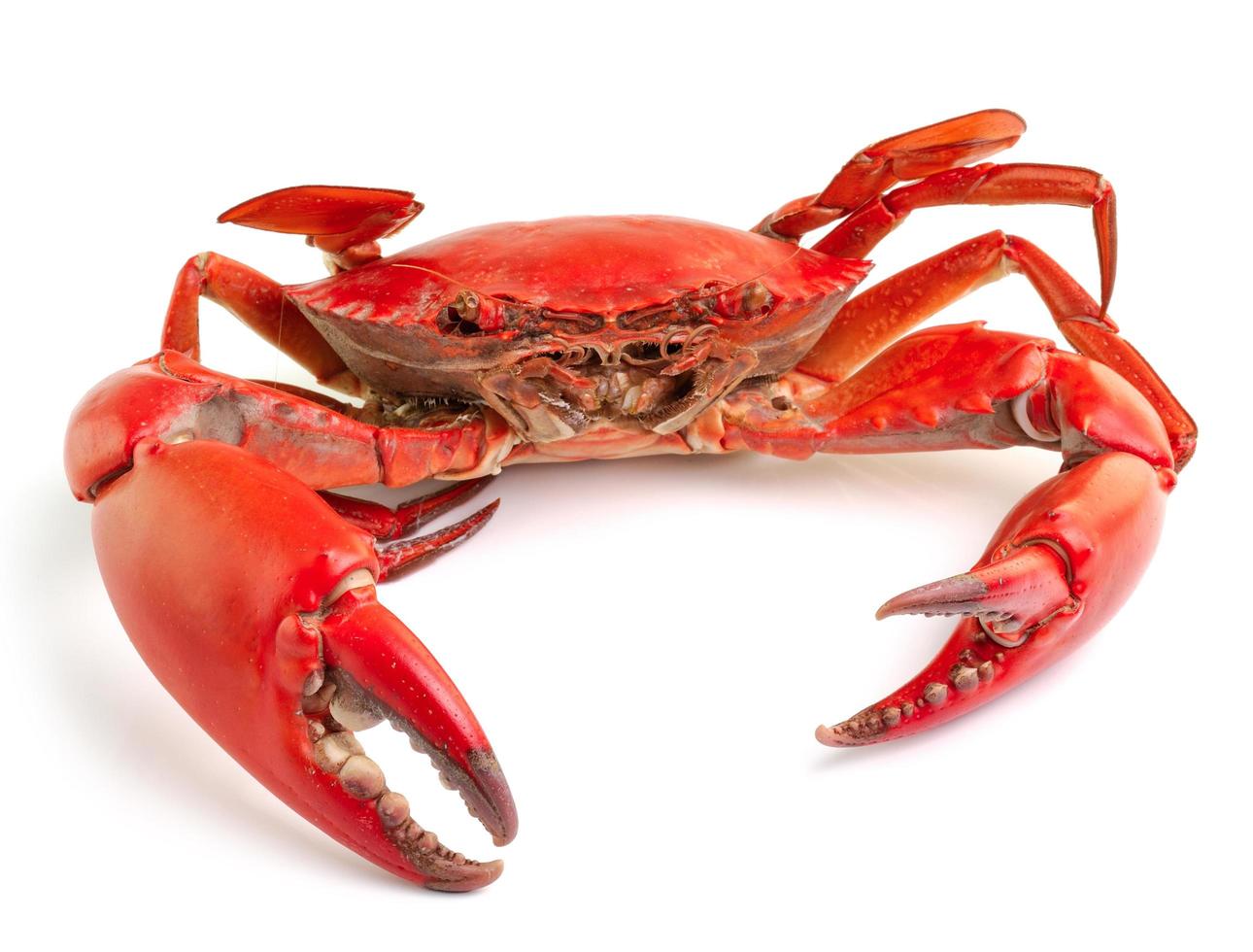
Snow crab is a type of crustacean, not an artificial product. It refers to several species of crab that live in cold, northern waters. The meat from snow crabs is prized for its sweet, delicate flavor and tender texture. Snow crab is typically harvested from the legs and claws of the crab.
3 Can celiacs eat crab?
Yes, celiacs can generally eat crab. Crab is naturally gluten-free and safe for people with celiac disease. However, it's important to be cautious about potential cross-contamination during preparation or cooking. Always check for any added ingredients or seasonings that might contain gluten.
4 Why is imitation crab not gluten free?
Imitation crab is typically not gluten-free because it often contains wheat-based ingredients. The main component of imitation crab is surimi, a paste made from fish that is mixed with various additives and binders. Wheat starch or wheat-based proteins are commonly used as binding agents in surimi to improve texture and moisture retention. Therefore, unless specifically labeled as gluten-free, imitation crab should be avoided by those following a gluten-free diet.
LIVE GLUTEN-FREE WITHOUT THE FUSS!
Introducing Tolerase® G, clinically proven to reduce up to 86% of gluten in under 10 minutes. Experience the freedom to eat what you love.
SHOP ANTI-GLUTEN PILLS
150mg pure Tolerase® G · Reduces gluten by 86% · Under 10 minutes

Our Expert

Drs. Ilse van Asperen, Orthomolecular Therapist and Nutritional Coach

Drs. Ilse van Asperen

Orthomolecular Therapist, Nutritional Coach & Professional Editor

Drs. Ilse van Asperen is a medical doctor specialising in orthomolecular therapy and nutritional coaching. With a background in public and clinical health research and management, she focuses on addressing the root causes of health issues through diet, gut health, and stress reduction. As a professional editor for Little Helpers, she reviews all gluten-free content to ensure accuracy, safety, and scientific credibility. Read more on Drs. Ilse van Asperen's own website

Our Sources

The information on this page is based on reputable health and nutrition organisations, ensuring accuracy and reliability for anyone following a gluten-free diet. For further details, see the sources below.
Sources

Similar Articles

Back to blog