Share
TL;DR
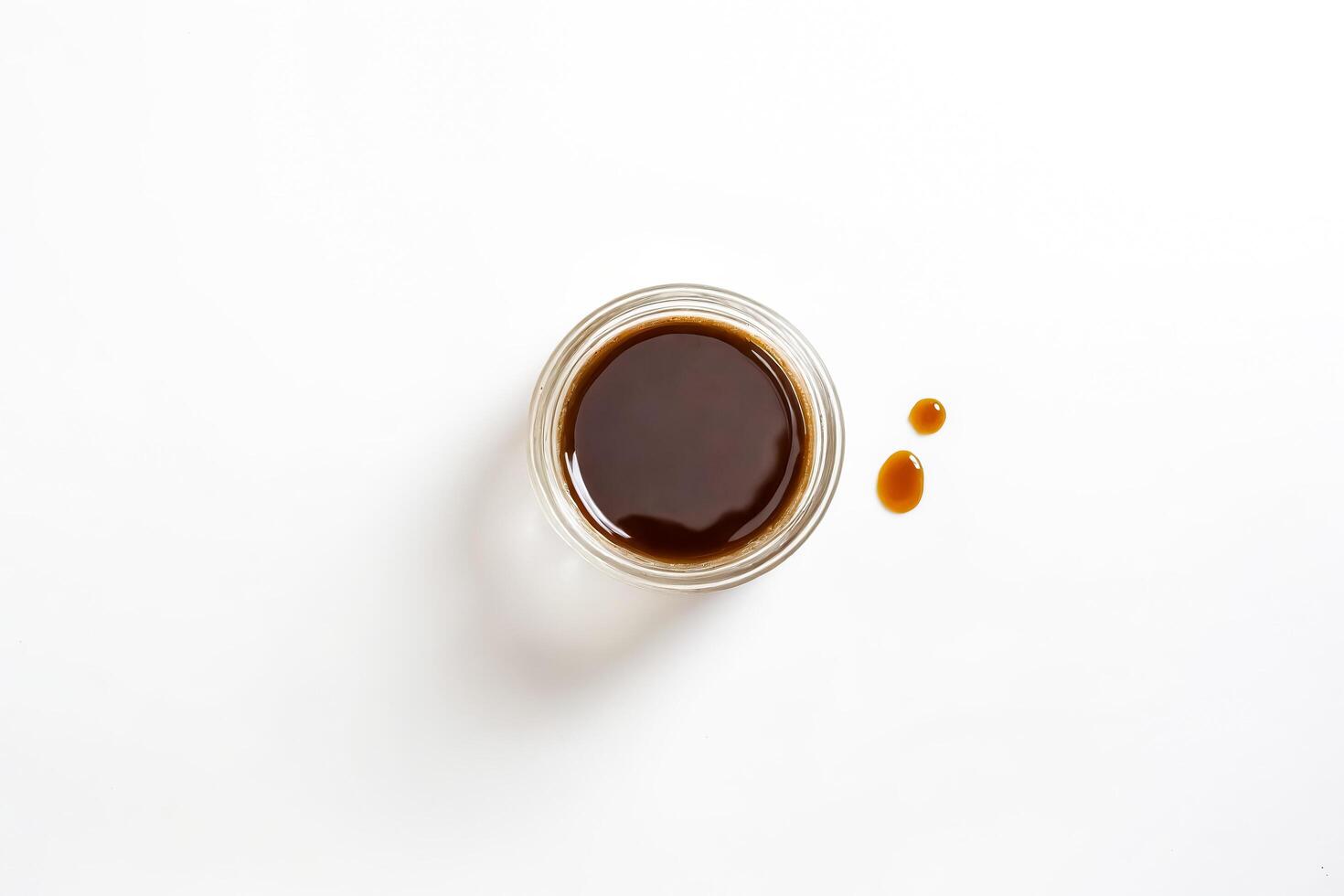
Yes, tamarind is naturally gluten-free. As a fruit-based product, it does not contain any wheat, barley, rye, or other gluten-containing grains.
Quick Tips
1Rich in antioxidants, which help protect cells from damage caused by free radicals
2High in vitamin C, supporting immune system function and skin health
3Contains magnesium, potassium, and calcium, promoting heart and bone health
# In This Article
3 sectionsQuick navigation to each section of this article:
1 Benefits of Tamarind
Rich in antioxidants, which help protect cells from damage caused by free radicals
Jump2 Who should avoid Tamarind
People with diabetes: Tamarind may lower blood sugar levels, potentially interfering with diabetes medications.
Jump3 Related Gluten Free Products
Here are five similar gluten-free options to tamarind, along with short descriptions:
JumpBenefits of Tamarind
| Benefits of Tamarind |
|---|
| Rich in antioxidants, which help protect cells from damage caused by free radicals |
| High in vitamin C, supporting immune system function and skin health |
| Contains magnesium, potassium, and calcium, promoting heart and bone health |
| May help lower cholesterol levels and reduce the risk of heart disease |
| Possesses anti-inflammatory properties, potentially reducing inflammation in the body |
| May aid in weight loss due to its hydroxycitric acid content |
| Can act as a natural laxative, promoting digestive health and regularity |
| May help regulate blood sugar levels, beneficial for people with diabetes |
| Contains compounds that might have antimicrobial properties |
| Rich in dietary fiber, supporting digestive health and promoting feelings of fullness |
| May help reduce fever and alleviate symptoms of some respiratory conditions |
| Contains compounds that might have liver-protective effects |
| Potentially beneficial for eye health due to its vitamin A content |
| May help in the management of chronic diseases due to its antioxidant propertiesRemember to consult with a healthcare professional before using tamarind for medicinal purposes, especially if you have existing health conditions or are taking medications. |
Who should avoid Tamarind
| Who should avoid Tamarind |
|---|
| People with diabetes: Tamarind may lower blood sugar levels, potentially interfering with diabetes medications. |
| Individuals with liver disease: Tamarind may increase the risk of liver damage in those with pre-existing liver conditions. |
| Those with gallbladder problems: Tamarind might worsen gallbladder issues due to its high tartaric acid content. |
| People taking certain medications: Tamarind can interact with some drugs, including aspirin and ibuprofen. |
| Individuals with kidney stones: The high oxalate content in tamarind may increase the risk of kidney stone formation in susceptible individuals. |
| Those allergic to tamarind or related plants: People with known allergies to tamarind or other legumes should avoid it. |
| Pregnant and breastfeeding women: While moderate consumption is likely safe, excessive intake should be avoided due to limited research on its effects. |
| People with gastroesophageal reflux disease (GERD): Tamarind’s acidity may worsen symptoms in some individuals. |
| Those scheduled for surgery: Tamarind may affect blood sugar levels, so it’s often recommended to stop consumption at least two weeks before scheduled surgery.Always consult with a healthcare professional before making significant changes to your diet, especially if you have pre-existing health conditions or are taking medications. |
Related Gluten Free Products
Here are five similar gluten-free options to tamarind, along with short descriptions:
| Related Gluten Free Products |
|---|
| Pomegranate Molasses:A thick, syrupy reduction of pomegranate juice with a sweet-tart flavor profile. It provides a similar tangy and fruity taste to dishes and can be used as a condiment or in marinades. |
| Umeboshi Paste:Made from fermented Japanese ume plums, this paste has a salty, sour taste. It can add depth and tanginess to dishes, similar to tamarind, and is often used in Asian cuisine. |
| Amchur (Mango Powder):Derived from dried unripe mangoes, amchur has a sour, fruity flavor. It's commonly used in Indian cuisine to add tartness to dishes and can be a good substitute for tamarind in dry rubs or spice blends. |
| Kokum:A fruit native to India, kokum is dried and used as a souring agent in curries and chutneys. It has a sweet-sour taste similar to tamarind and is often used in Goan and Maharashtrian cuisine. |
| Sumac:A Middle Eastern spice made from ground sumac berries, it has a tart, lemony flavor. While not as intense as tamarind, sumac can add a similar tangy note to dishes and works well in dry rubs or as a finishing spice. |
Health Information
? Frequently Asked Questions
4 questions1 Is sweet and sour tamarind sauce gluten free?
2 Is tamarind Jarritos gluten free?
3 What is in tamarind paste?
4 Is tamarind paste gluten free in the UK?
Our Expert
Drs. Ilse van Asperen
Orthomolecular Therapist, Nutritional Coach & Professional Editor
Drs. Ilse van Asperen is a medical doctor specialising in orthomolecular therapy and nutritional coaching. With a background in public and clinical health research and management, she focuses on addressing the root causes of health issues through diet, gut health, and stress reduction. As a professional editor for Little Helpers, she reviews all gluten-free content to ensure accuracy, safety, and scientific credibility. Read more on Drs. Ilse van Asperen's own website
Our Sources
The information on this page is based on reputable health and nutrition organisations, ensuring accuracy and reliability for anyone following a gluten-free diet. For further details, see the sources below.