Share
TL;DR
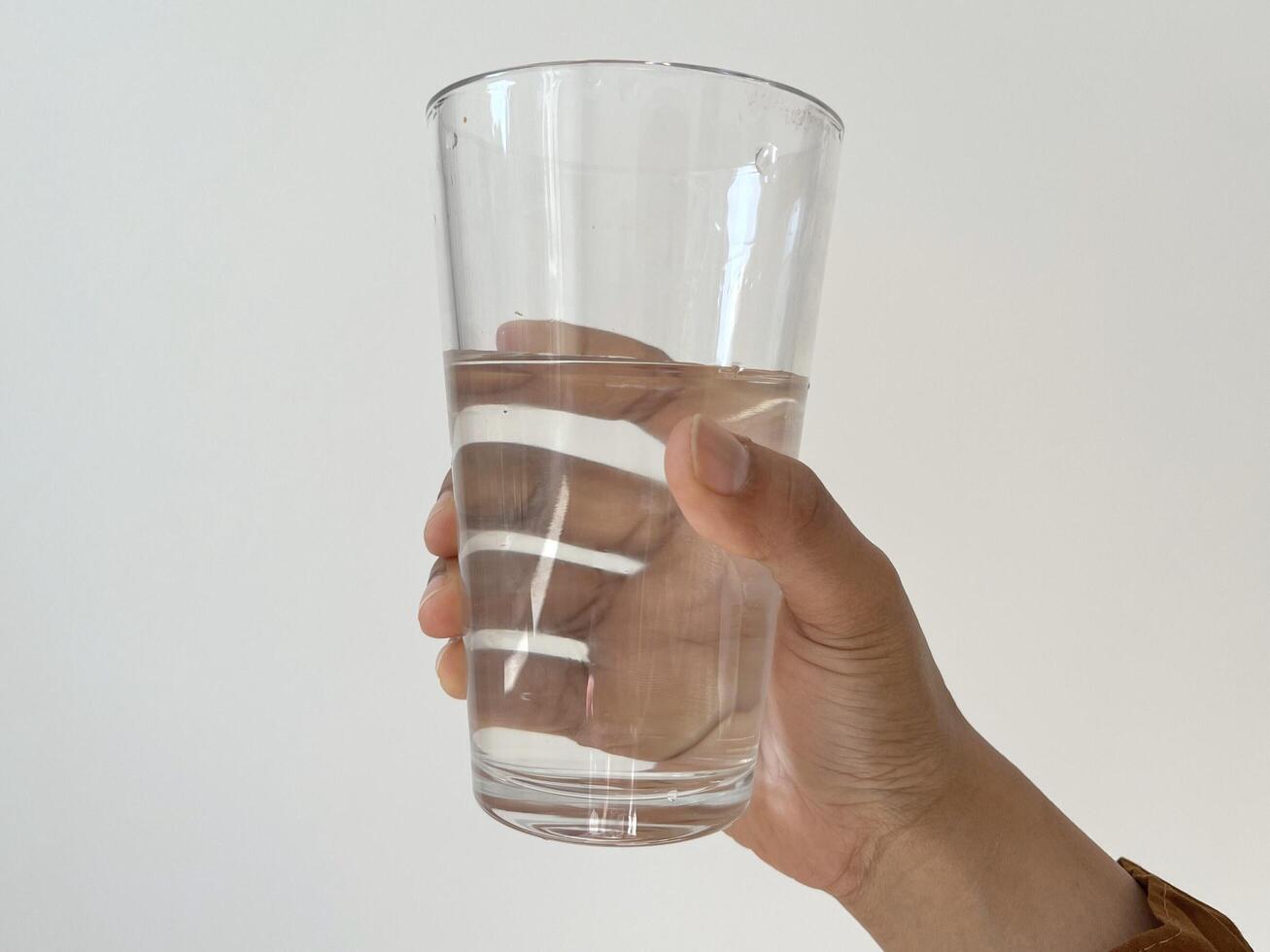
Yes, water is naturally gluten-free. Pure water does not contain any gluten proteins, which are found in wheat, barley, rye, and some other grains.
Quick Tips
1Maintains body fluid balance
2Regulates body temperature
3Aids in digestion and prevents constipation
# In This Article
3 sectionsQuick navigation to each section of this article:
1 Benefits of Water
Maintains body fluid balance
Jump2 Who should avoid Water
People with certain medical conditions: – Congestive heart failure – Severe kidney disease – End-stage renal disease on dialysis
Jump3 Related Gluten Free Products
Here are five gluten-free options similar to Wasa crackers, along with short descriptions:
JumpBenefits of Water
| Benefits of Water |
|---|
| Maintains body fluid balance |
| Regulates body temperature |
| Aids in digestion and prevents constipation |
| Flushes out toxins and waste products |
| Promotes healthy skin and reduces signs of aging |
| Lubricates joints and cushions organs |
| Boosts physical performance and endurance |
| Helps transport nutrients and oxygen throughout the body |
| Supports kidney function and reduces risk of kidney stones |
| Aids in weight management and can increase feeling of fullness |
| Improves cognitive function and mood |
| Prevents and alleviates headaches |
| Supports proper blood pressure regulation |
| Reduces risk of urinary tract infections |
| Helps maintain electrolyte balance |
| Promotes cardiovascular health |
| Assists in the production of saliva and mucus |
| Supports healthy blood volume and circulation |
| Helps prevent dehydration and related complicationsRemember, staying properly hydrated is crucial for overall health and well-being. |
Who should avoid Water
| Who should avoid Water |
|---|
| People with certain medical conditions: – Congestive heart failure – Severe kidney disease – End-stage renal disease on dialysis |
| Individuals with hyponatremia (low sodium levels in the blood) |
| Those with a condition called SIADH (Syndrome of Inappropriate Antidiuretic Hormone) |
| People taking certain medications that cause water retention, such as some antidepressants or NSAIDs |
| Individuals preparing for certain medical tests or procedures where water restriction is necessary |
| Those with rare conditions like: – Central pontine myelinolysis – Cerebral edema |
| People with severe burns, as they may require carefully monitored fluid intake |
| Individuals with certain types of brain injuries, where fluid restrictions may be necessary |
| Those participating in specific types of fasting or religious observances that involve water restrictionIt’s important to note that complete water avoidance is extremely rare and potentially dangerous. In most cases, these individuals need to carefully monitor and potentially limit their fluid intake rather than avoiding water altogether. Always consult with a healthcare professional for personalized advice. |
Related Gluten Free Products
Here are five gluten-free options similar to Wasa crackers, along with short descriptions:
| Related Gluten Free Products |
|---|
| Rice cakes:Light, crispy discs made from puffed rice. They come in various flavors and provide a low-calorie, gluten-free alternative to crackers. |
| Corn tortillas:Flat, circular breads made from corn flour. They can be used as a base for toppings or broken into chips for a crunchy snack. |
| Buckwheat crackers:Despite the name, buckwheat is gluten-free and can be used to make crisp, nutty-flavored crackers that are rich in nutrients. |
| Flax seed crackers:Made primarily from ground flax seeds, these crackers are high in omega-3 fatty acids and fiber, offering a nutritious gluten-free option. |
| Quinoa crisps:Light and crunchy crackers made from quinoa, a gluten-free grain-like seed that's high in protein and essential amino acids. |
Health Information
? Frequently Asked Questions
4 questions1 Does water have gluten in it?
2 What drinks are not gluten-free?
3 Is just water gluten-free?
4 What liquids are gluten-free?
Our Expert
Drs. Ilse van Asperen
Orthomolecular Therapist, Nutritional Coach & Professional Editor
Drs. Ilse van Asperen is a medical doctor specialising in orthomolecular therapy and nutritional coaching. With a background in public and clinical health research and management, she focuses on addressing the root causes of health issues through diet, gut health, and stress reduction. As a professional editor for Little Helpers, she reviews all gluten-free content to ensure accuracy, safety, and scientific credibility. Read more on Drs. Ilse van Asperen's own website
Our Sources
The information on this page is based on reputable health and nutrition organisations, ensuring accuracy and reliability for anyone following a gluten-free diet. For further details, see the sources below.