Is Yellow Rice Gluten Free?

Is Yellow Rice Gluten Free?

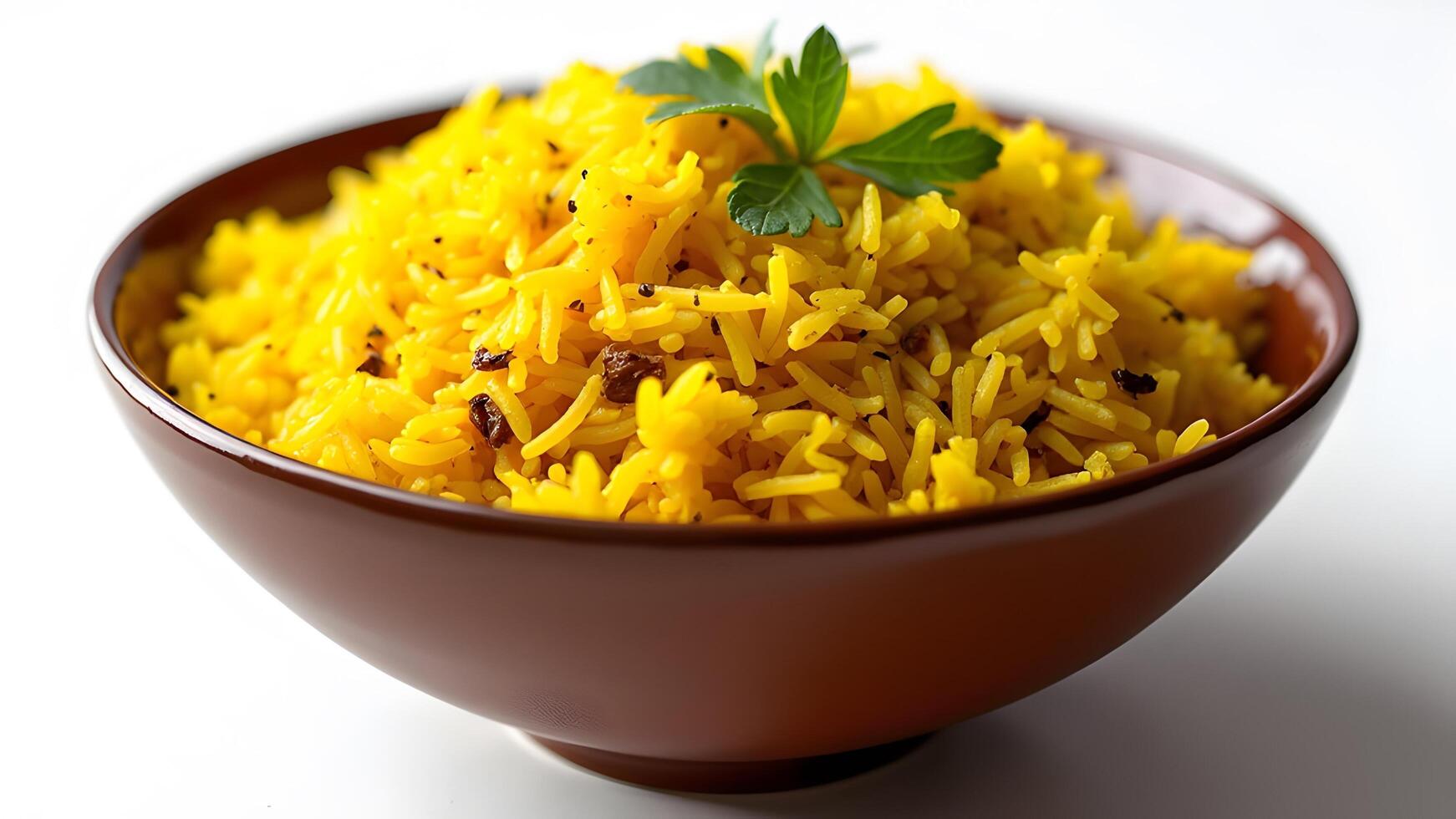
Yellow rice is typically gluten-free as it’s usually made with rice, which is naturally gluten-free, and spices like turmeric or saffron that give it its yellow color. However, it’s important to check the ingredients list or preparation method, as some versions may include gluten-containing additives or be prepared in facilities that process gluten products.

TL;DR

Yellow rice is typically gluten-free as it’s usually made with rice, which is naturally gluten-free, and spices like turmeric or saffron that give it its yellow color. However, it’s important to check the ingredients list or preparation method, as some versions may include gluten-containing additives or be prepared in facilities that process gluten products.

Quick Tips

1

Rich in antioxidants: Turmeric and saffron are powerful antioxidants that can help fight inflammation and oxidative stress.

2

May have anti-cancer properties: Curcumin in turmeric has shown potential in inhibiting cancer cell growth.

3

Supports heart health: The spices used can help improve cholesterol levels and blood pressure.

# In This Article

3 sections

Quick navigation to each section of this article:

1 Benefits of Yellow Rice

Rich in antioxidants: Turmeric and saffron are powerful antioxidants that can help fight inflammation and oxidative stress.

Jump
2 Who should avoid Yellow Rice

People with turmeric allergies: If the yellow color comes from turmeric, those allergic to it should avoid the dish.

Jump
3 Related Gluten Free Products

Here are five gluten-free options similar to Yellow Rice, along with short descriptions:

Jump

Benefits of Yellow Rice

Benefits of Yellow Rice
Rich in antioxidants: Turmeric and saffron are powerful antioxidants that can help fight inflammation and oxidative stress.
May have anti-cancer properties: Curcumin in turmeric has shown potential in inhibiting cancer cell growth.
Supports heart health: The spices used can help improve cholesterol levels and blood pressure.
Aids digestion: Turmeric can help stimulate bile production, aiding in digestion.
Potential anti-inflammatory effects: Both turmeric and saffron have anti-inflammatory properties.
May improve brain function: Curcumin in turmeric may boost brain-derived neurotrophic factor, potentially improving memory and cognition.
Provides essential nutrients: Yellow rice often contains vitamins and minerals like iron, manganese, and B vitamins.
Supports immune function: The antioxidants and nutrients can help boost the immune system.
May help manage arthritis: The anti-inflammatory properties could potentially alleviate arthritis symptoms.
Potential mood-boosting effects: Saffron has shown promise in improving mood and reducing symptoms of depression.Remember that the health benefits can vary depending on the specific ingredients and preparation method of the yellow rice.

Who should avoid Yellow Rice

Who should avoid Yellow Rice
People with turmeric allergies: If the yellow color comes from turmeric, those allergic to it should avoid the dish.
Individuals with saffron allergies: If saffron is used for coloring, those with saffron allergies should avoid it.
People on low-carb diets: Rice is high in carbohydrates, so those following strict low-carb diets may need to avoid or limit yellow rice.
Diabetics: While rice can be part of a diabetic diet, portion control is crucial as it can affect blood sugar levels.
Those with celiac disease or gluten sensitivity: While rice is naturally gluten-free, some pre-packaged yellow rice mixes may contain gluten-containing additives.
Individuals on a low-sodium diet: Some yellow rice recipes or pre-packaged mixes may be high in sodium.
People with gallbladder issues: Turmeric can stimulate bile production, which might be problematic for those with gallbladder disease.
Those taking certain medications: Turmeric can interact with blood thinners and some other medications, so these individuals should consult their doctor.
Anyone with digestive issues: Some people may find that rice, especially when combined with spices, can exacerbate digestive problems.Always consult with a healthcare professional if you have specific dietary concerns or health conditions.
ENJOY YOUR FAVORITE FOODS FEARLESSLY!
Don’t let gluten hold you back. Take Anti-Gluten Pills before your meal and enjoy peace of mind.
SHOP ANTI-GLUTEN PILLS
Clinically proven · Up to 86% gluten reduction · Fast acting

Here are five gluten-free options similar to Yellow Rice, along with short descriptions:

Related Gluten Free Products
Quinoa: A nutrient-rich, high-protein grain-like seed that cooks quickly and has a slightly nutty flavor. It can be seasoned similarly to yellow rice and offers a fluffy texture.
Cauliflower Rice: A low-carb alternative made by grating or processing cauliflower into rice-sized pieces. It can be flavored with turmeric and other spices to mimic yellow rice.
Millet: A small, gluten-free grain with a mild, slightly sweet flavor. It has a light, fluffy texture when cooked and can easily absorb flavors from seasonings.
Sorghum: An ancient grain with a chewy texture and slightly sweet taste. It can be prepared similarly to rice and takes on flavors well, making it a suitable yellow rice substitute.
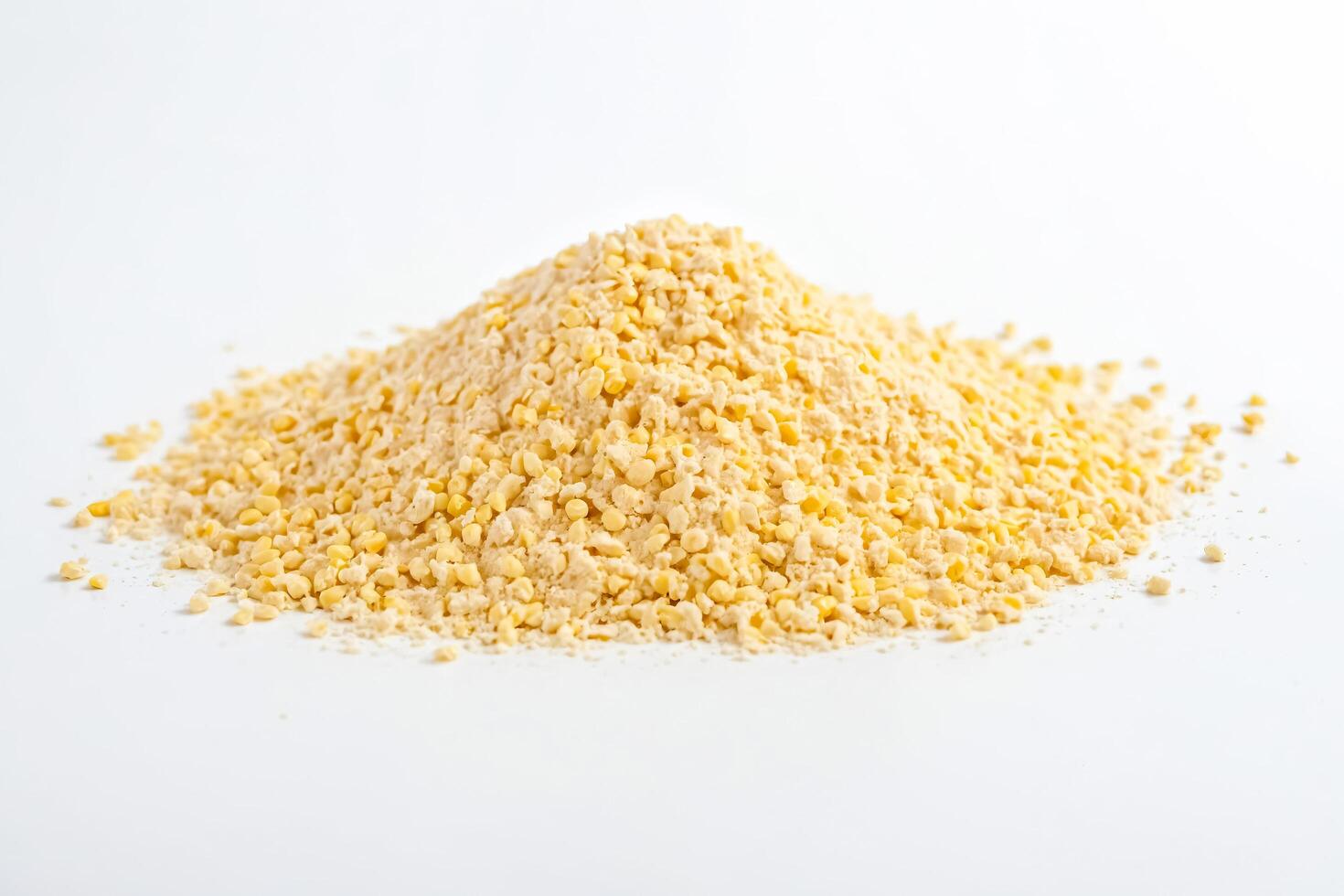
Corn Grits: Made from ground corn, grits have a creamy texture when cooked. They can be seasoned with turmeric and other spices to create a yellow, rice-like dish with a unique consistency.

Health Information

? Frequently Asked Questions

4 questions
1 Which rice is not gluten-free?
Most rice varieties are naturally gluten-free. However, some types of flavored or processed rice may contain gluten additives. Cross-contamination during processing can also introduce gluten to otherwise gluten-free rice. Always check labels carefully if you need to avoid gluten completely.
2 Does Mahatma yellow rice have gluten?
Mahatma yellow rice is typically gluten-free. The main ingredients are usually enriched long grain rice and a seasoning blend. However, it's always important to check the specific product label for the most up-to-date information. Some seasoning blends may contain trace amounts of gluten or be processed in facilities that also handle gluten-containing products.
3 What is yellow rice made of?
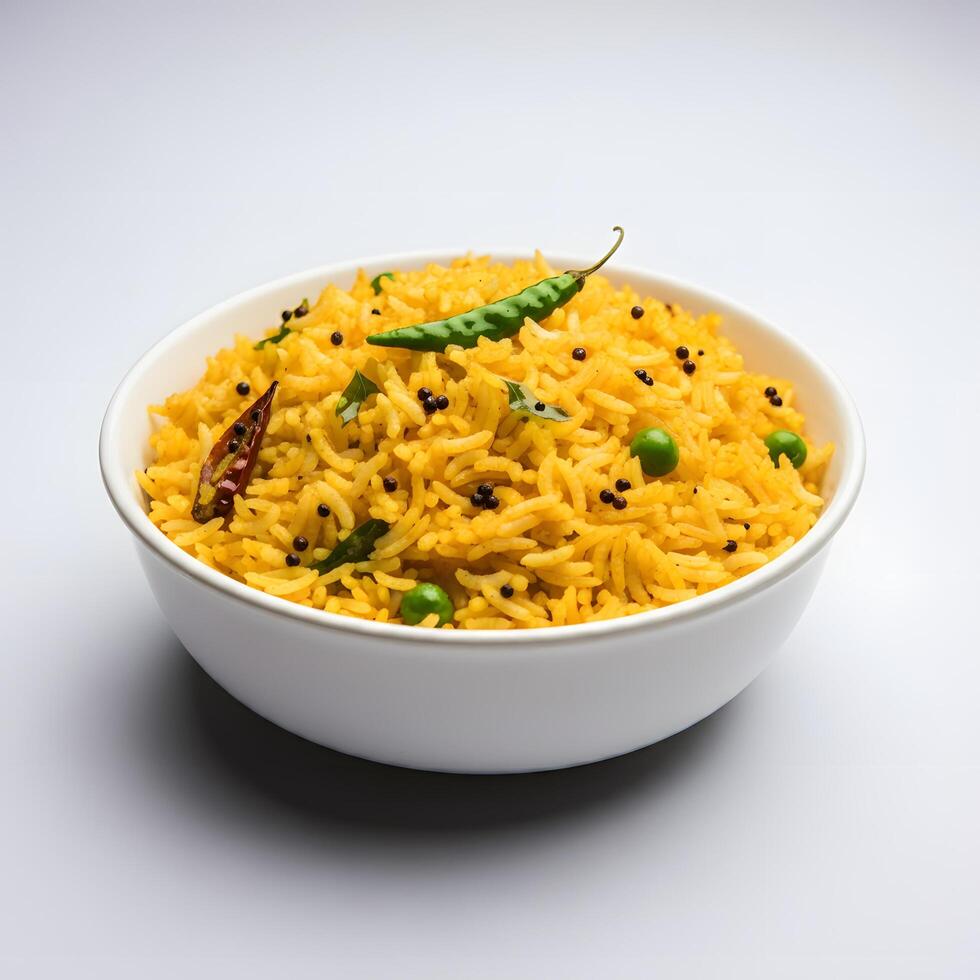
Yellow rice is typically made from white rice that has been colored and flavored. The yellow color usually comes from turmeric or saffron. Other common ingredients include onions, garlic, and various spices like cumin or coriander. Some recipes may also include vegetables or proteins like peas, carrots, or chicken.
4 Is Zatarain's yellow rice gluten-free?
Zatarain's yellow rice is not certified gluten-free. The product contains wheat-derived ingredients, specifically wheat gluten and wheat flour. Therefore, it is not suitable for individuals following a gluten-free diet. Those with celiac disease or gluten sensitivity should avoid consuming this product.
LIVE GLUTEN-FREE WITHOUT THE FUSS!
Introducing Tolerase® G, clinically proven to reduce up to 86% of gluten in under 10 minutes. Experience the freedom to eat what you love.
SHOP ANTI-GLUTEN PILLS
150mg pure Tolerase® G · Reduces gluten by 86% · Under 10 minutes

Our Expert

Drs. Ilse van Asperen, Orthomolecular Therapist and Nutritional Coach

Drs. Ilse van Asperen

Orthomolecular Therapist, Nutritional Coach & Professional Editor

Drs. Ilse van Asperen is a medical doctor specialising in orthomolecular therapy and nutritional coaching. With a background in public and clinical health research and management, she focuses on addressing the root causes of health issues through diet, gut health, and stress reduction. As a professional editor for Little Helpers, she reviews all gluten-free content to ensure accuracy, safety, and scientific credibility. Read more on Drs. Ilse van Asperen's own website

Our Sources

The information on this page is based on reputable health and nutrition organisations, ensuring accuracy and reliability for anyone following a gluten-free diet. For further details, see the sources below.
Sources

Similar Articles

Back to blog