Is Cashew Butter Gluten Free?

Is Cashew Butter Gluten Free?

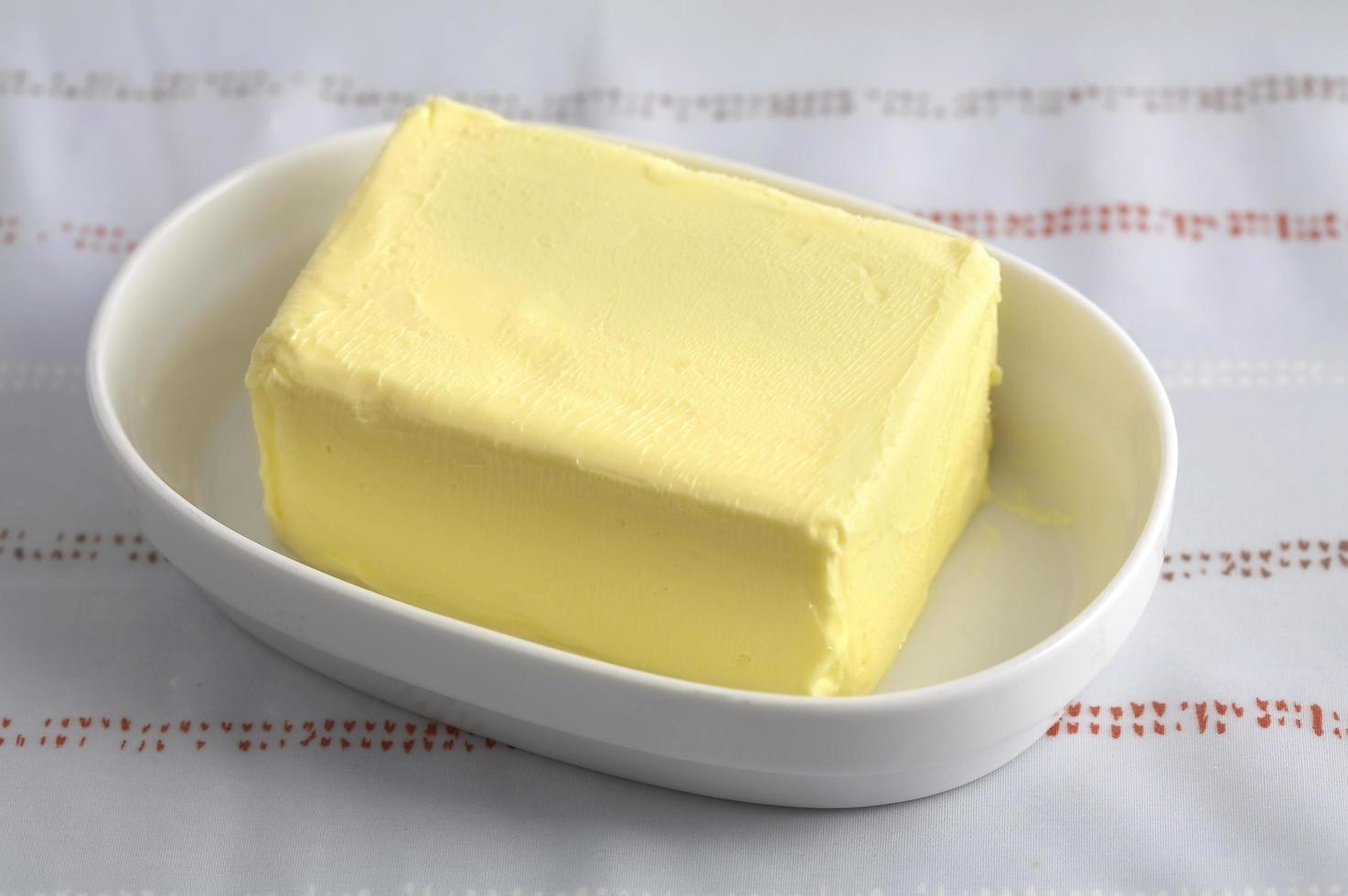
Yes, cashew butter is typically gluten-free. Cashew butter is made from ground cashews, which are naturally gluten-free, and usually doesn’t contain any added ingredients that would introduce gluten.

TL;DR

Yes, cashew butter is typically gluten-free. Cashew butter is made from ground cashews, which are naturally gluten-free, and usually doesn’t contain any added ingredients that would introduce gluten.

Quick Tips

1

Rich in heart-healthy monounsaturated fats

2

Good source of protein for muscle building and repair

3

Contains essential minerals like copper, magnesium, and manganese

# In This Article

3 sections

Quick navigation to each section of this article:

1 Benefits of Cashew Butter

Rich in heart-healthy monounsaturated fats

Jump
2 Who should avoid Cashew Butter

Individuals with cashew allergies: People allergic to cashews should strictly avoid cashew butter.

Jump
3 Related Gluten Free Products

Here are five similar gluten-free options to Cashew Butter, along with short descriptions:

Jump

Benefits of Cashew Butter

Benefits of Cashew Butter
Rich in heart-healthy monounsaturated fats
Good source of protein for muscle building and repair
Contains essential minerals like copper, magnesium, and manganese
Provides iron for healthy blood cell production
Offers zinc for immune system support
Contains antioxidants that may help reduce inflammation
May help lower bad cholesterol levels
Good source of fiber for digestive health
Contains vitamins E and K for skin health and blood clotting
May help regulate blood sugar levels
Provides phosphorus for bone health
Contains tryptophan, which may aid in sleep and mood regulation
Naturally free of cholesterol
Can be part of a weight management diet when consumed in moderation
May help reduce the risk of gallstones
Contains arginine, which may improve blood flowRemember that while cashew butter has many health benefits, it is also calorie-dense, so it should be consumed in moderation as part of a balanced diet.

Who should avoid Cashew Butter

Who should avoid Cashew Butter
Individuals with cashew allergies: People allergic to cashews should strictly avoid cashew butter.
Those with tree nut allergies: Cashews are tree nuts, so people with tree nut allergies should avoid cashew butter.
People with pistachio or mango allergies: These individuals may have cross-reactivity with cashews and should consult an allergist before consuming cashew butter.
Individuals on a low-fat diet: Cashew butter is high in fat and calories, which may not align with certain dietary restrictions.
Those with kidney problems: Cashews are high in oxalates, which can contribute to kidney stone formation in susceptible individuals.
People with gastrointestinal issues: Some individuals may find cashew butter difficult to digest.
Those watching their calorie intake: Cashew butter is calorie-dense and should be consumed in moderation by people trying to lose weight.
Individuals with salt-restricted diets: Some commercial cashew butters contain added salt, which may not be suitable for those limiting sodium intake.
Young children: Due to the risk of choking, very young children should avoid thick nut butters, including cashew butter, unless thinned or spread very thinly.
People taking certain medications: Cashew butter may interact with some medications, so it’s best to consult a healthcare provider if you have concerns.Always consult with a healthcare professional or registered dietitian if you have specific dietary concerns or health conditions.
ENJOY YOUR FAVORITE FOODS FEARLESSLY!
Don’t let gluten hold you back. Take Anti-Gluten Pills before your meal and enjoy peace of mind.
SHOP ANTI-GLUTEN PILLS
Clinically proven · Up to 86% gluten reduction · Fast acting

Here are five similar gluten-free options to Cashew Butter, along with short descriptions:

Related Gluten Free Products
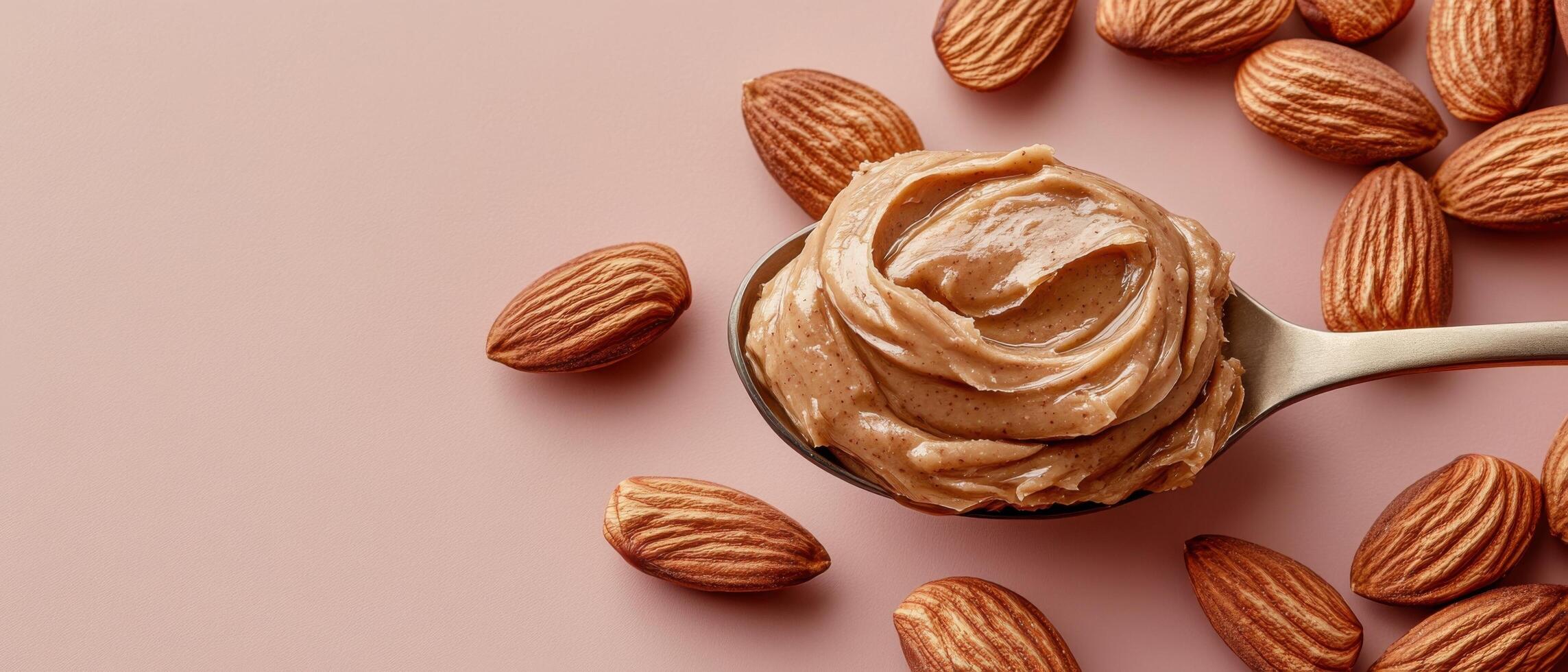
Almond Butter- Made from ground almonds, this creamy spread is rich in vitamin E, magnesium, and healthy fats. It has a slightly sweet, nutty flavor and is versatile in both sweet and savory recipes.
Sunflower Seed Butter- An excellent nut-free alternative, sunflower seed butter is high in vitamin E and minerals. It has a mild, slightly sweet taste and smooth texture, making it a great option for those with nut allergies.
Pumpkin Seed Butter- Rich in zinc, iron, and omega-3 fatty acids, pumpkin seed butter has a unique, earthy flavor. It's slightly green in color and offers a nutritious alternative to nut butters.
Macadamia Nut Butter- Luxuriously creamy and rich in monounsaturated fats, macadamia nut butter has a buttery, slightly sweet taste. It's lower in protein compared to other nut butters but high in beneficial nutrients like manganese and thiamine.
Tahini- Made from ground sesame seeds, tahini is a staple in Middle Eastern cuisine. It's rich in calcium and iron, with a slightly bitter, nutty flavor that works well in both sweet and savory dishes.

Health Information

? Frequently Asked Questions

4 questions
1 Does cashew butter have gluten?
Cashew butter does not naturally contain gluten. It is made from ground cashews, which are naturally gluten-free. However, it's important to check the label for any added ingredients or potential cross-contamination during processing. As long as the cashew butter is pure and not mixed with gluten-containing additives, it should be safe for those avoiding gluten.
2 Is cashew butter anti inflammatory?
Cashew butter may have some anti-inflammatory properties. This is due to the presence of healthy fats, antioxidants, and other beneficial compounds in cashews. However, research on cashew butter specifically is limited, and more studies are needed to confirm its anti-inflammatory effects. It's best to consume cashew butter as part of a balanced diet rather than relying on it as a primary anti-inflammatory food.
3 Is cashew butter more healthy than peanut butter?
Cashew butter and peanut butter are both nutritious options, but they have some differences. Cashew butter tends to be lower in protein and higher in healthy fats compared to peanut butter. However, cashew butter is often richer in certain minerals like iron and zinc. Ultimately, both can be part of a healthy diet, and the choice may come down to personal preference and specific nutritional needs.
4 What is cashew butter made of?
Cashew butter is primarily made from roasted cashews. The cashews are ground into a smooth, creamy paste. Sometimes, a small amount of oil may be added to improve consistency. Occasionally, salt or other flavorings might be included, but pure cashew butter contains only cashews.
LIVE GLUTEN-FREE WITHOUT THE FUSS!
Introducing Tolerase® G, clinically proven to reduce up to 86% of gluten in under 10 minutes. Experience the freedom to eat what you love.
SHOP ANTI-GLUTEN PILLS
150mg pure Tolerase® G · Reduces gluten by 86% · Under 10 minutes

Our Expert

Drs. Ilse van Asperen, Orthomolecular Therapist and Nutritional Coach

Drs. Ilse van Asperen

Orthomolecular Therapist, Nutritional Coach & Professional Editor

Drs. Ilse van Asperen is a medical doctor specialising in orthomolecular therapy and nutritional coaching. With a background in public and clinical health research and management, she focuses on addressing the root causes of health issues through diet, gut health, and stress reduction. As a professional editor for Little Helpers, she reviews all gluten-free content to ensure accuracy, safety, and scientific credibility. Read more on Drs. Ilse van Asperen's own website

Our Sources

The information on this page is based on reputable health and nutrition organisations, ensuring accuracy and reliability for anyone following a gluten-free diet. For further details, see the sources below.

Sources

Similar Articles

Back to blog