Is Maize Flour Gluten Free?

Is Maize Flour Gluten Free?

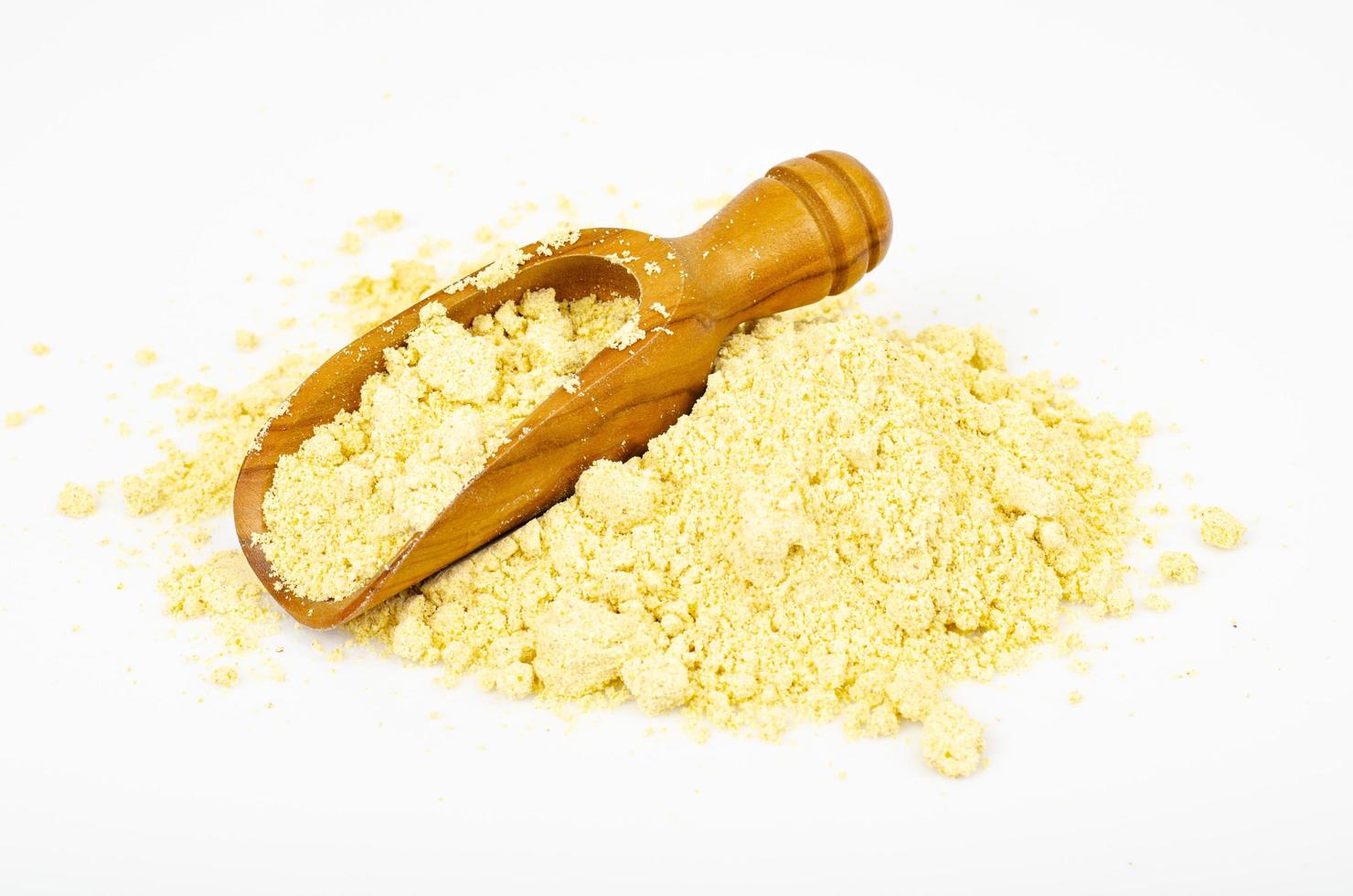
Yes, maize flour (also known as corn flour) is naturally gluten-free. It is made from ground corn kernels and does not contain wheat, barley, rye, or any other gluten-containing grains.

TL;DR

Yes, maize flour (also known as corn flour) is naturally gluten-free. It is made from ground corn kernels and does not contain wheat, barley, rye, or any other gluten-containing grains.

Quick Tips

1

Rich in fiber: Aids digestion, promotes regular bowel movements, and helps maintain gut health

2

Good source of complex carbohydrates: Provides sustained energy and helps regulate blood sugar levels

3

Contains essential minerals: Offers iron, zinc, magnesium, and phosphorus, which support various bodily functions

# In This Article

3 sections

Quick navigation to each section of this article:

1 Benefits of Maize Flour

Rich in fiber: Aids digestion, promotes regular bowel movements, and helps maintain gut health

Jump
2 Who should avoid Maize Flour

Those with corn allergies or sensitivities

Jump
3 Related Gluten Free Products

Here are five gluten-free options similar to Maize Flour, along with short descriptions:

Jump

Benefits of Maize Flour

Benefits of Maize Flour
Rich in fiber: Aids digestion, promotes regular bowel movements, and helps maintain gut health
Good source of complex carbohydrates: Provides sustained energy and helps regulate blood sugar levels
Contains essential minerals: Offers iron, zinc, magnesium, and phosphorus, which support various bodily functions
Provides B vitamins: Includes thiamine, niacin, and folate, which are important for metabolism and cell function
Gluten-free: Suitable for people with celiac disease or gluten sensitivity
Source of antioxidants: Contains carotenoids like lutein and zeaxanthin, which may benefit eye health
Low in fat: Helps in maintaining a healthy weight when consumed as part of a balanced diet
Contains protein: Supports muscle growth and repair, though not a complete protein source
May help lower cholesterol: The fiber content can help reduce LDL (bad) cholesterol levels
Supports heart health: The combination of fiber, antioxidants, and minerals may contribute to cardiovascular health
Provides some essential amino acids: Though not complete, it offers some building blocks for protein synthesis
May aid in blood sugar control: The complex carbohydrates and fiber can help regulate blood glucose levelsRemember that the nutritional content can vary depending on the processing method and whether the maize flour is whole grain or refined.

Who should avoid Maize Flour

Who should avoid Maize Flour
Those with corn allergies or sensitivities
Individuals with celiac disease, unless the maize flour is certified gluten-free
People following a low-carb or ketogenic diet
Those with a condition called favism, which is a sensitivity to fava beans and can sometimes extend to corn products
Individuals with a rare genetic disorder called pellagra, which affects niacin metabolism
People with non-celiac gluten sensitivity who also react to corn
Those following a paleo diet, which typically excludes grains
Individuals with certain digestive disorders who have been advised to avoid corn products
People with diabetes who need to carefully monitor their carbohydrate intake (should consult with their doctor)
Those following specific elimination diets that exclude corn products
Individuals with a condition called histamine intolerance, as corn can be high in histamines for some peopleRemember that individual dietary needs can vary, and it’s always best to consult with a healthcare professional or registered dietitian for personalized advice.
ENJOY YOUR FAVORITE FOODS FEARLESSLY!
Don’t let gluten hold you back. Take Anti-Gluten Pills before your meal and enjoy peace of mind.
SHOP ANTI-GLUTEN PILLS
Clinically proven · Up to 86% gluten reduction · Fast acting

Here are five gluten-free options similar to Maize Flour, along with short descriptions:

Related Gluten Free Products
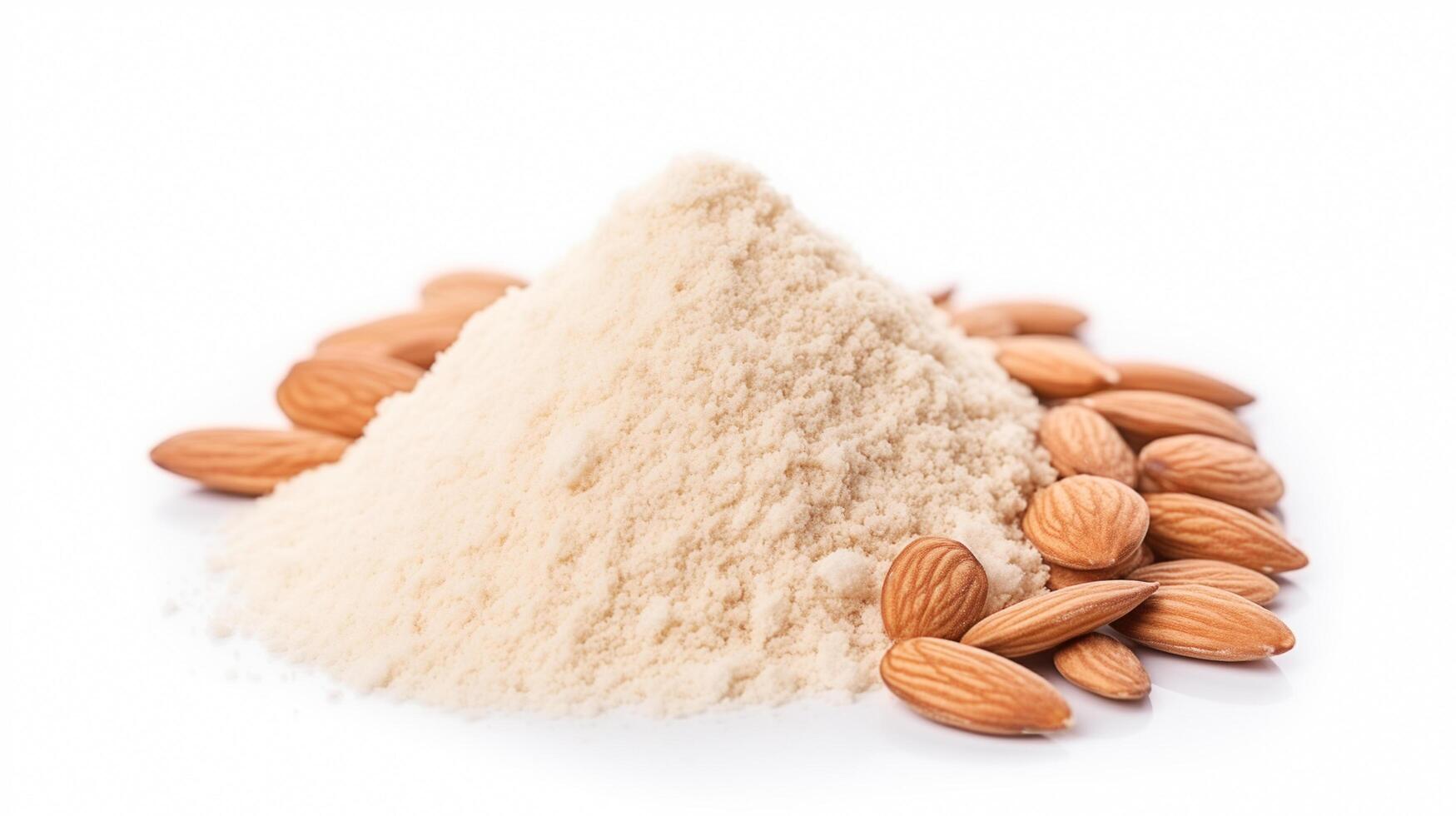
Almond Flour: Produced from blanched and ground almonds, this flour is high in protein and healthy fats. It has a slightly sweet, nutty flavor and is popular in low-carb and paleo diets.
Coconut Flour: Made from dried, ground coconut meat, this flour is high in fiber and low in carbohydrates. It has a subtle coconut flavor and is very absorbent, requiring more liquid in recipes.
Buckwheat Flour: Despite its name, buckwheat is not related to wheat and is naturally gluten-free. This flour has a strong, earthy flavor and is rich in nutrients, commonly used in pancakes and noodles.
Sorghum Flour: Milled from sorghum grain, this flour has a mild, sweet flavor similar to wheat. It's high in fiber and protein, making it a nutritious option for gluten-free baking and cooking.

Health Information

? Frequently Asked Questions

4 questions
1 Can celiac eat maize flour?
Yes, people with celiac disease can generally eat maize flour safely. Maize (corn) is naturally gluten-free and is not one of the grains that contains gluten. However, it's important to ensure the maize flour is not cross-contaminated with gluten-containing grains during processing or packaging. Always check labels and choose certified gluten-free products for complete peace of mind.
2 How much gluten is in maize?
Maize, also known as corn, is naturally gluten-free. It does not contain any of the gluten proteins found in wheat, barley, or rye. Therefore, pure maize or corn products should have zero gluten content. However, it's important to check labels on processed corn products, as they may sometimes be contaminated with gluten during manufacturing or have added gluten-containing ingredients.
3 What's the difference between corn flour and maize flour?
Corn flour and maize flour are essentially the same thing. Both are made from ground corn kernels. The main difference lies in regional terminology, with "corn flour" being more commonly used in North America and "maize flour" in other parts of the world. They can be used interchangeably in recipes.
4 What is maize flour made out of?
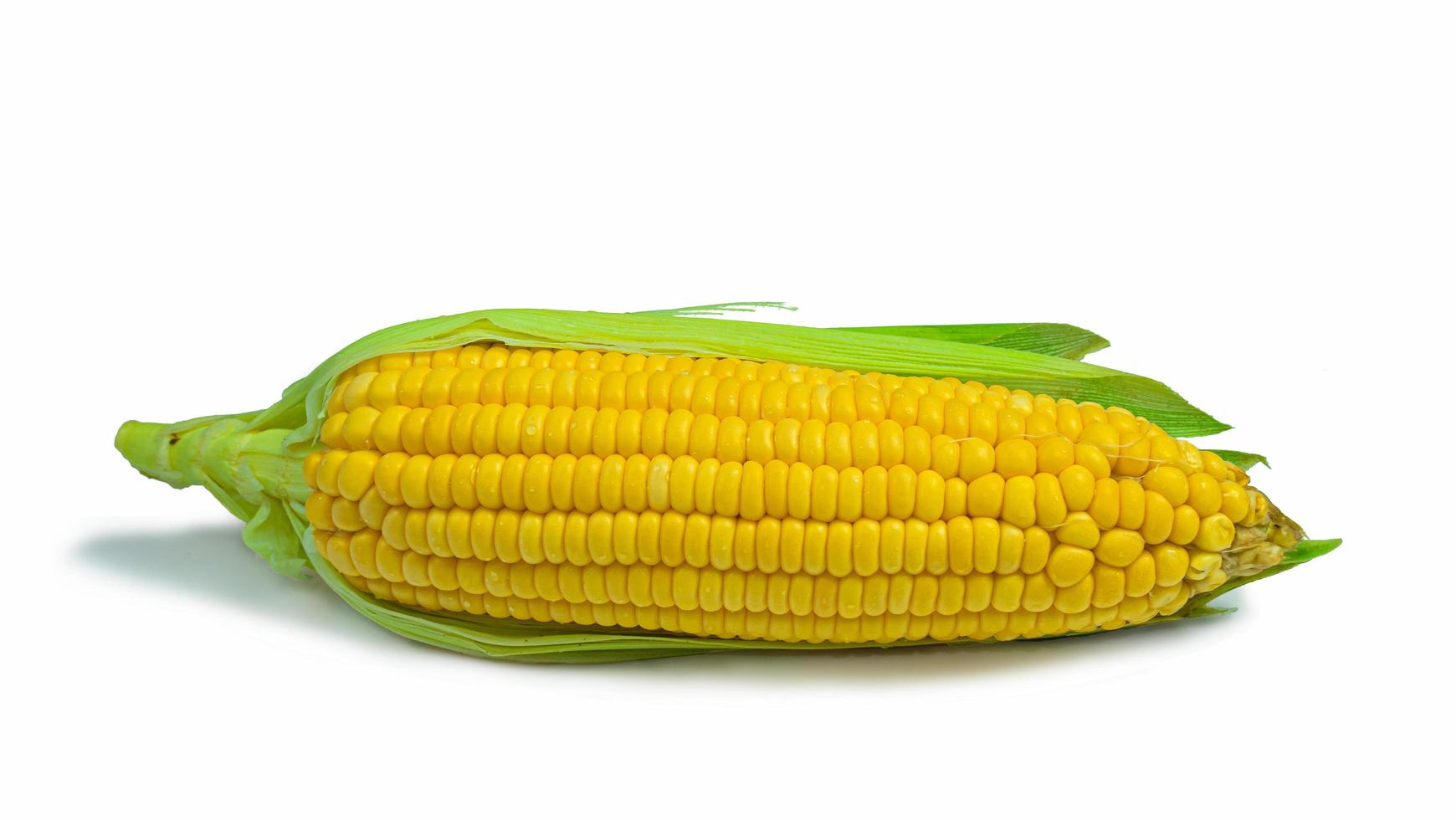
Maize flour is made from ground corn kernels. The corn is dried and then milled into a fine powder. This flour comes from the entire kernel, including the outer layer, endosperm, and germ. It's commonly used in various cuisines to make dishes like cornbread, tortillas, and polenta.
LIVE GLUTEN-FREE WITHOUT THE FUSS!
Introducing Tolerase® G, clinically proven to reduce up to 86% of gluten in under 10 minutes. Experience the freedom to eat what you love.
SHOP ANTI-GLUTEN PILLS
150mg pure Tolerase® G · Reduces gluten by 86% · Under 10 minutes

Our Expert

Drs. Ilse van Asperen, Orthomolecular Therapist and Nutritional Coach

Drs. Ilse van Asperen

Orthomolecular Therapist, Nutritional Coach & Professional Editor

Drs. Ilse van Asperen is a medical doctor specialising in orthomolecular therapy and nutritional coaching. With a background in public and clinical health research and management, she focuses on addressing the root causes of health issues through diet, gut health, and stress reduction. As a professional editor for Little Helpers, she reviews all gluten-free content to ensure accuracy, safety, and scientific credibility. Read more on Drs. Ilse van Asperen's own website

Our Sources

The information on this page is based on reputable health and nutrition organisations, ensuring accuracy and reliability for anyone following a gluten-free diet. For further details, see the sources below.
Sources

Similar Articles

Back to blog