Is Maize Gluten Free?

Is Maize Gluten Free?

Maize, also known as corn, is naturally gluten-free. However, it’s important to be cautious with processed corn products, as they may sometimes be contaminated with gluten during manufacturing or have gluten-containing additives.

TL;DR

Maize, also known as corn, is naturally gluten-free. However, it’s important to be cautious with processed corn products, as they may sometimes be contaminated with gluten during manufacturing or have gluten-containing additives.

Quick Tips

1

Rich in fiber, promoting digestive health and preventing constipation

2

Good source of complex carbohydrates, providing sustained energy

3

Contains antioxidants like carotenoids, which may reduce the risk of certain cancers and eye diseases

# In This Article

3 sections

Quick navigation to each section of this article:

1 Benefits of Maize

Rich in fiber, promoting digestive health and preventing constipation

Jump
2 Who should avoid Maize

People with corn allergies: Those who have a known allergy to corn or corn products should strictly avoid maize.

Jump
3 Related Gluten Free Products

Here are five similar gluten-free options like maize (corn):

Jump

Benefits of Maize

Benefits of Maize
Rich in fiber, promoting digestive health and preventing constipation
Good source of complex carbohydrates, providing sustained energy
Contains antioxidants like carotenoids, which may reduce the risk of certain cancers and eye diseases
Provides essential minerals such as magnesium, zinc, and iron
Contains vitamins B1, B5, and C, supporting various bodily functions
Low in fat and cholesterol-free, making it heart-healthy
Gluten-free, suitable for people with celiac disease or gluten sensitivity
Contains folate, important for pregnant women and fetal development
May help regulate blood sugar levels due to its low glycemic index
Supports weight management when consumed as part of a balanced diet
Contains ferulic acid, which may have anti-aging properties
Provides thiamin, important for brain function and nervous system health
Contains phosphorus, essential for bone and teeth health
May help lower blood pressure due to its potassium content
Supports the immune system with its vitamin C content. Remember that the health benefits can vary depending on how maize is prepared and consumed, with whole grain or minimally processed forms generally being the most nutritious.

Who should avoid Maize

Who should avoid Maize
People with corn allergies: Those who have a known allergy to corn or corn products should strictly avoid maize.
Individuals with corn intolerance: Some people may have difficulty digesting corn, leading to gastrointestinal discomfort.
Those with celiac disease: While corn is naturally gluten-free, cross-contamination can occur during processing, so caution is advised.
People following a low-carb or ketogenic diet: Maize is high in carbohydrates and may not fit into these dietary plans.
Individuals with diabetes: Maize can cause blood sugar spikes, so consumption should be monitored and limited.
Those with FODMAPs sensitivity: Corn contains fermentable carbohydrates that may cause digestive issues for some people.
Individuals with dental issues: Eating corn on the cob can potentially damage dental work or cause discomfort.
People with diverticulitis: During flare-ups, it’s often recommended to avoid foods with small seeds or kernels like corn.
Those following specific elimination diets: Some elimination diets may temporarily restrict corn consumption.
Individuals with pesticide sensitivities: If not organic, corn may contain pesticide residues that could affect sensitive individuals.Remember, it’s always best to consult with a healthcare professional or registered dietitian for personalized advice regarding dietary restrictions.
ENJOY YOUR FAVORITE FOODS FEARLESSLY!
Don’t let gluten hold you back. Take Anti-Gluten Pills before your meal and enjoy peace of mind.
SHOP ANTI-GLUTEN PILLS
Clinically proven · Up to 86% gluten reduction · Fast acting

Here are five similar gluten-free options like maize (corn):

Related Gluten Free Products
Rice: A versatile grain used in many cuisines worldwide, available in various forms such as white, brown, and wild rice.
Quinoa: A nutrient-rich pseudocereal that's high in protein and provides all nine essential amino acids.
Sorghum: A cereal grain that can be used in flour form or as whole grains, popular in African and Asian cuisines.
Millet: A small-seeded grass crop that can be cooked like rice or ground into flour for baking.
Buckwheat: Despite its name, it's not related to wheat and is actually a seed that can be used in various gluten-free recipes.These options are all naturally gluten-free and can be used in various dishes as alternatives to wheat-based products.

Health Information

? Frequently Asked Questions

4 questions
1 Are celiacs allergic to maize?
Celiac disease is not an allergy to maize (corn). Celiac disease is an autoimmune disorder triggered by gluten, a protein found in wheat, barley, and rye. Maize does not contain gluten and is generally considered safe for people with celiac disease to consume. However, some individuals with celiac disease may have separate sensitivities to corn, so it's always best to consult with a healthcare professional about specific dietary concerns.
2 Is maize flour OK for Coeliacs?
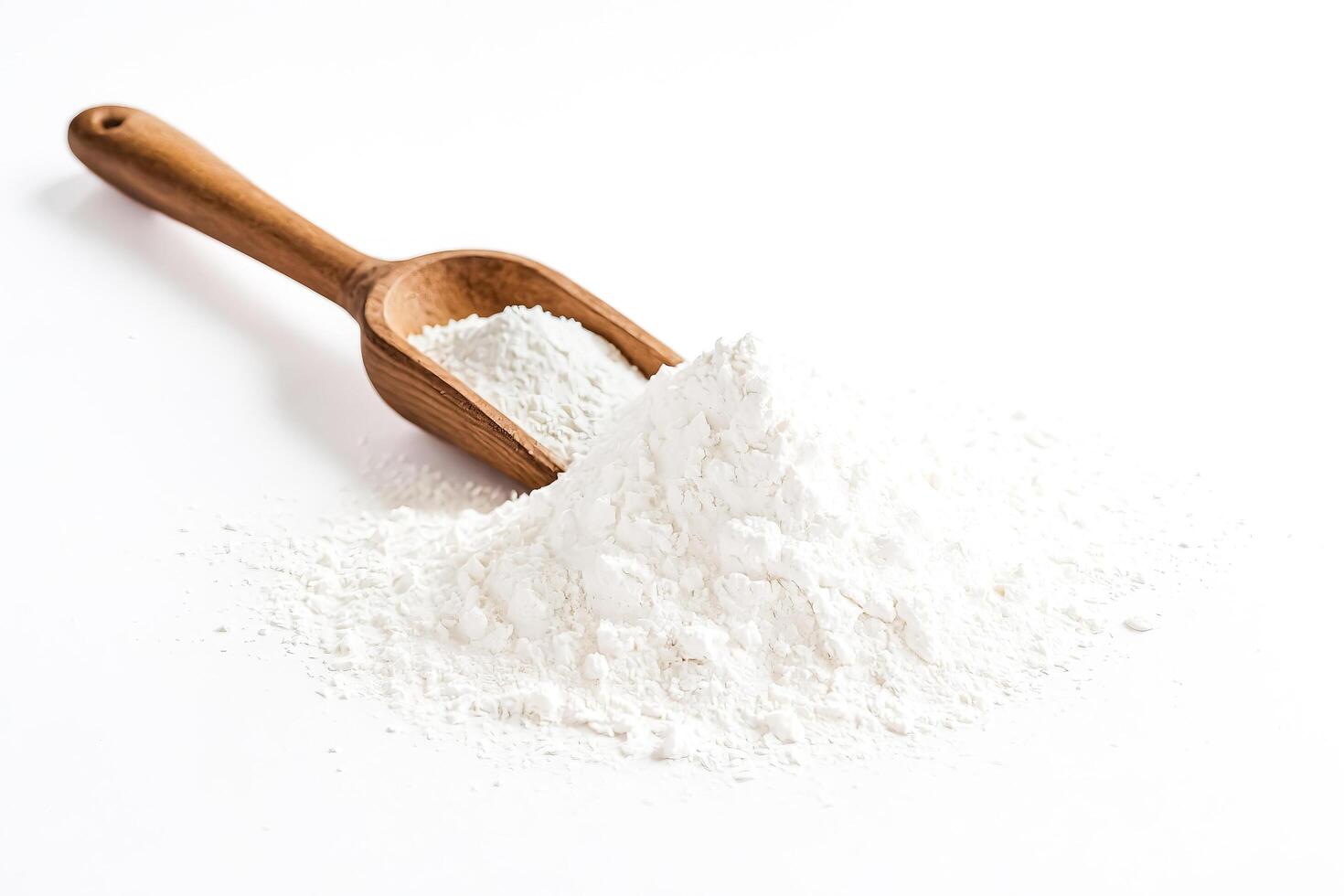
Maize flour is generally considered safe for people with celiac disease. It is naturally gluten-free, as maize (corn) is not a gluten-containing grain. However, there is a risk of cross-contamination during processing or packaging if the facility also handles gluten-containing grains. To ensure safety, coeliacs should look for maize flour that is certified gluten-free or labeled as processed in a dedicated gluten-free facility.
3 Can you eat maize starch on a gluten-free diet?
Yes, you can eat maize starch on a gluten-free diet. Maize, also known as corn, is naturally gluten-free. Maize starch is derived from corn and does not contain gluten. It is often used as a gluten-free alternative in cooking and baking.
4 What is the difference between corn and maize?
Corn and maize are essentially the same plant. The term "maize" is more commonly used in scientific contexts and in many countries outside of North America. In the United States and Canada, "corn" is the preferred term for this cereal grain. Both words refer to the plant species Zea mays, which is a tall annual grass cultivated for its edible kernels.
LIVE GLUTEN-FREE WITHOUT THE FUSS!
Introducing Tolerase® G, clinically proven to reduce up to 86% of gluten in under 10 minutes. Experience the freedom to eat what you love.
SHOP ANTI-GLUTEN PILLS
150mg pure Tolerase® G · Reduces gluten by 86% · Under 10 minutes

Our Expert

Drs. Ilse van Asperen, Orthomolecular Therapist and Nutritional Coach

Drs. Ilse van Asperen

Orthomolecular Therapist, Nutritional Coach & Professional Editor

Drs. Ilse van Asperen is a medical doctor specialising in orthomolecular therapy and nutritional coaching. With a background in public and clinical health research and management, she focuses on addressing the root causes of health issues through diet, gut health, and stress reduction. As a professional editor for Little Helpers, she reviews all gluten-free content to ensure accuracy, safety, and scientific credibility. Read more on Drs. Ilse van Asperen's own website

Our Sources

The information on this page is based on reputable health and nutrition organisations, ensuring accuracy and reliability for anyone following a gluten-free diet. For further details, see the sources below.
Sources

Similar Articles

Back to blog