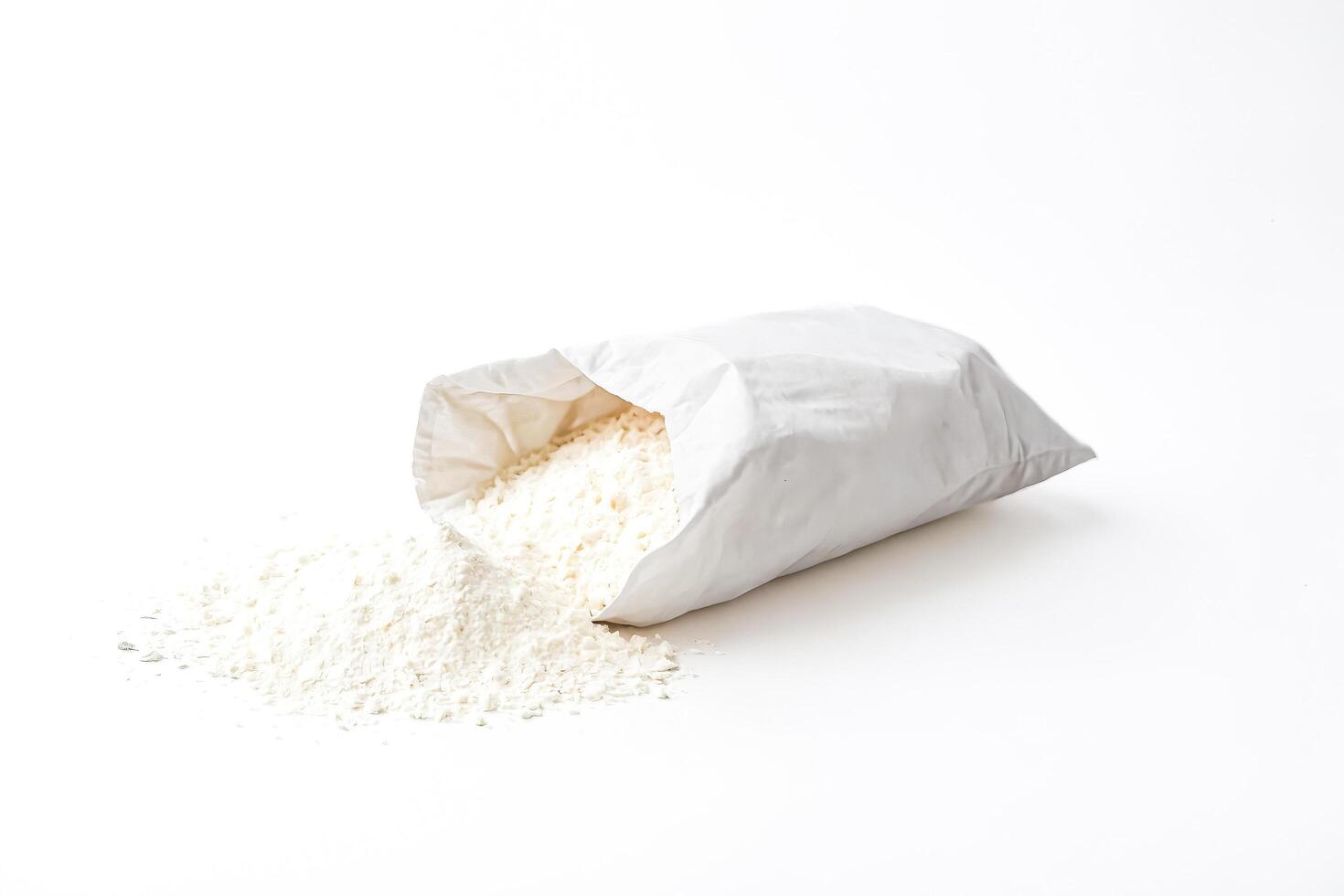
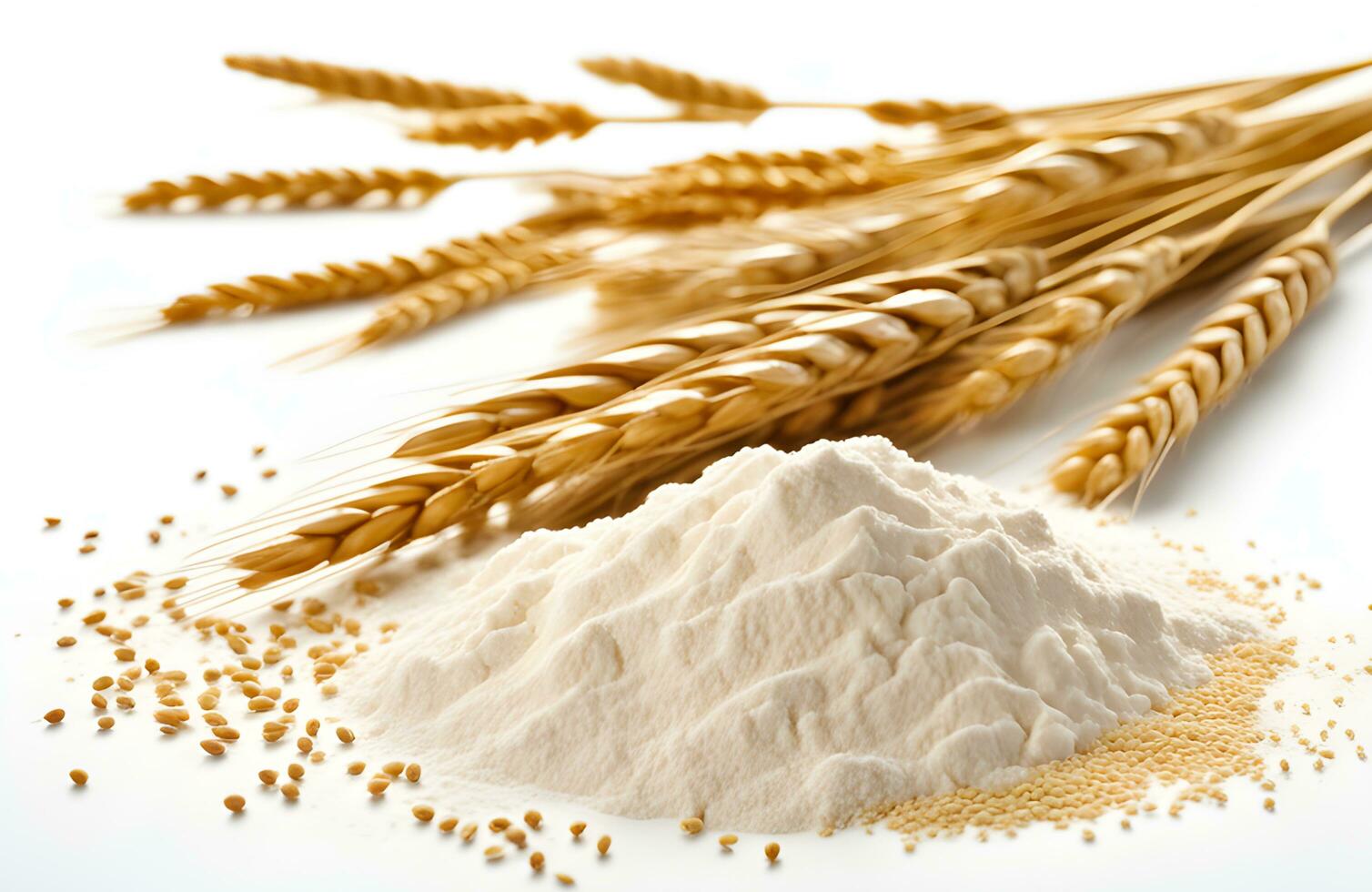
Is Organic Wheat Flour Gluten Free?

Is Organic Wheat Flour Gluten Free?

Organic wheat flour is not gluten-free, as wheat naturally contains gluten proteins. While organic wheat flour may be free from synthetic pesticides and fertilizers, it still contains gluten and is not suitable for those with celiac disease or gluten sensitivity.

TL;DR

Organic wheat flour is not gluten-free, as wheat naturally contains gluten proteins. While organic wheat flour may be free from synthetic pesticides and fertilizers, it still contains gluten and is not suitable for those with celiac disease or gluten sensitivity.

Quick Tips

1

No synthetic pesticides or fertilizers: Organic wheat is grown without the use of harmful chemicals, reducing exposure to potentially toxic substances.

2

Higher nutrient content: Some studies suggest organic wheat may have higher levels of certain nutrients and antioxidants compared to conventionally grown wheat.

3

Rich in fiber: Whole wheat flour is an excellent source of dietary fiber, which aids digestion and promotes gut health.

# In This Article

3 sections

Quick navigation to each section of this article:

1 Benefits of Organic Wheat Flour

No synthetic pesticides or fertilizers: Organic wheat is grown without the use of harmful chemicals, reducing exposure to potentially toxic substances.

Jump
2 Who should avoid Organic Wheat Flour

People with celiac disease, as wheat contains gluten which can cause severe reactions

Jump
3 Gluten Free Alternatives

Here are five gluten-free alternatives to Organic Wheat Flour, along with short descriptions:

Jump

Benefits of Organic Wheat Flour

Benefits of Organic Wheat Flour
No synthetic pesticides or fertilizers: Organic wheat is grown without the use of harmful chemicals, reducing exposure to potentially toxic substances.
Higher nutrient content: Some studies suggest organic wheat may have higher levels of certain nutrients and antioxidants compared to conventionally grown wheat.
Rich in fiber: Whole wheat flour is an excellent source of dietary fiber, which aids digestion and promotes gut health.
Complex carbohydrates: Provides sustained energy and helps regulate blood sugar levels.
B vitamins: Contains essential B vitamins like thiamin, riboflavin, niacin, and folate, which are important for metabolism and cell function.
Minerals: Good source of minerals such as iron, magnesium, and zinc, which are crucial for various bodily functions.
Protein: Contains plant-based protein, essential for muscle building and repair.
Phytochemicals: Rich in beneficial plant compounds that may have antioxidant and anti-inflammatory properties.
No GMOs: Organic wheat is non-GMO, which some people prefer for health and environmental reasons.
Potentially fewer allergens: Some people report fewer allergic reactions to organic wheat compared to conventional wheat, though more research is needed to confirm this.
Environmental benefits: Organic farming practices are generally better for soil health and biodiversity, which can indirectly benefit human health.Remember that while organic wheat flour offers these potential benefits, it’s still important to consume it as part of a balanced diet.

Who should avoid Organic Wheat Flour

Who should avoid Organic Wheat Flour
People with celiac disease, as wheat contains gluten which can cause severe reactions
Individuals with non-celiac gluten sensitivity
Those with wheat allergies
People following a gluten-free diet for other health reasons
Individuals with certain forms of irritable bowel syndrome (IBS) that are triggered by wheat or gluten
Those following low-carb or ketogenic diets
People with wheat intolerance
Individuals trying to avoid FODMAPs (fermentable oligosaccharides, disaccharides, monosaccharides, and polyols)
Those with specific autoimmune conditions that may be exacerbated by wheat consumption (consult with a healthcare provider)
People with dermatitis herpetiformis, a skin condition associated with gluten sensitivity
Individuals following a paleo or grain-free dietRemember that while organic wheat flour is produced without synthetic pesticides or fertilizers, it still contains gluten and other compounds that some people may need to avoid for health reasons.
ENJOY YOUR FAVORITE FOODS FEARLESSLY!
Don’t let gluten hold you back. Take Anti-Gluten Pills before your meal and enjoy peace of mind.
SHOP ANTI-GLUTEN PILLS
Clinically proven · Up to 86% gluten reduction · Fast acting

Gluten Free Alternatives

Here are five gluten-free alternatives to Organic Wheat Flour, along with short descriptions:

Gluten Free Alternatives
Coconut Flour:Produced from dried, ground coconut meat, this flour is high in fiber and low in carbohydrates. It's very absorbent, so recipes typically require less coconut flour compared to wheat flour.
Rice Flour:Made from finely milled rice, this flour comes in brown and white varieties. It has a mild flavor and is often used in gluten-free baking mixes. Brown rice flour offers more nutrients than white rice flour.
Buckwheat Flour:Despite its name, buckwheat is not related to wheat and is gluten-free. This flour has a strong, nutty flavor and is rich in nutrients. It's commonly used in pancakes and noodles.
Cassava Flour:Made from the root of the cassava plant, this flour is grain-free and nut-free. It has a neutral flavor and can often be substituted 1:1 for wheat flour in many recipes, making it a versatile option.

Health Information

? Frequently Asked Questions

4 questions
1 Does organic wheat flour contain gluten?
Yes, organic wheat flour contains gluten. Gluten is a protein naturally found in wheat, regardless of whether it's grown organically or conventionally. The organic designation refers to how the wheat is grown, not its protein content. People with celiac disease or gluten sensitivity should avoid organic wheat flour just as they would conventional wheat flour.
2 Which wheat flour is gluten-free?
Wheat flour is not gluten-free. Gluten is a protein found in wheat, barley, and rye. For a gluten-free alternative to wheat flour, you can use flours made from rice, corn, almond, coconut, or other gluten-free grains and nuts. These alternative flours can be used in baking and cooking for those who need to avoid gluten.
3 Is organic considered gluten-free?
Organic and gluten-free are separate labels that refer to different aspects of food production and content. Organic refers to how a food is grown or produced, without synthetic pesticides or fertilizers. Gluten-free means a food does not contain the protein gluten, found in wheat, barley, and rye. While many organic products are naturally gluten-free, being organic does not automatically make a food gluten-free.
4 What is the difference between whole wheat flour and organic wheat flour?
Whole wheat flour contains all parts of the wheat kernel, including the bran, germ, and endosperm. Organic wheat flour is made from wheat grown without synthetic pesticides or fertilizers. The main difference is that whole wheat flour refers to the milling process and nutritional content, while organic refers to the farming methods used to grow the wheat. Organic wheat flour can be either whole wheat or refined, depending on how it's processed.
LIVE GLUTEN-FREE WITHOUT THE FUSS!
Introducing Tolerase® G, clinically proven to reduce up to 86% of gluten in under 10 minutes. Experience the freedom to eat what you love.
SHOP ANTI-GLUTEN PILLS
150mg pure Tolerase® G · Reduces gluten by 86% · Under 10 minutes

Our Expert

Drs. Ilse van Asperen, Orthomolecular Therapist and Nutritional Coach

Drs. Ilse van Asperen

Orthomolecular Therapist, Nutritional Coach & Professional Editor

Drs. Ilse van Asperen is a medical doctor specialising in orthomolecular therapy and nutritional coaching. With a background in public and clinical health research and management, she focuses on addressing the root causes of health issues through diet, gut health, and stress reduction. As a professional editor for Little Helpers, she reviews all gluten-free content to ensure accuracy, safety, and scientific credibility. Read more on Drs. Ilse van Asperen's own website

Our Sources

The information on this page is based on reputable health and nutrition organisations, ensuring accuracy and reliability for anyone following a gluten-free diet. For further details, see the sources below.
Sources

Similar Articles

Back to blog