Share
TL;DR
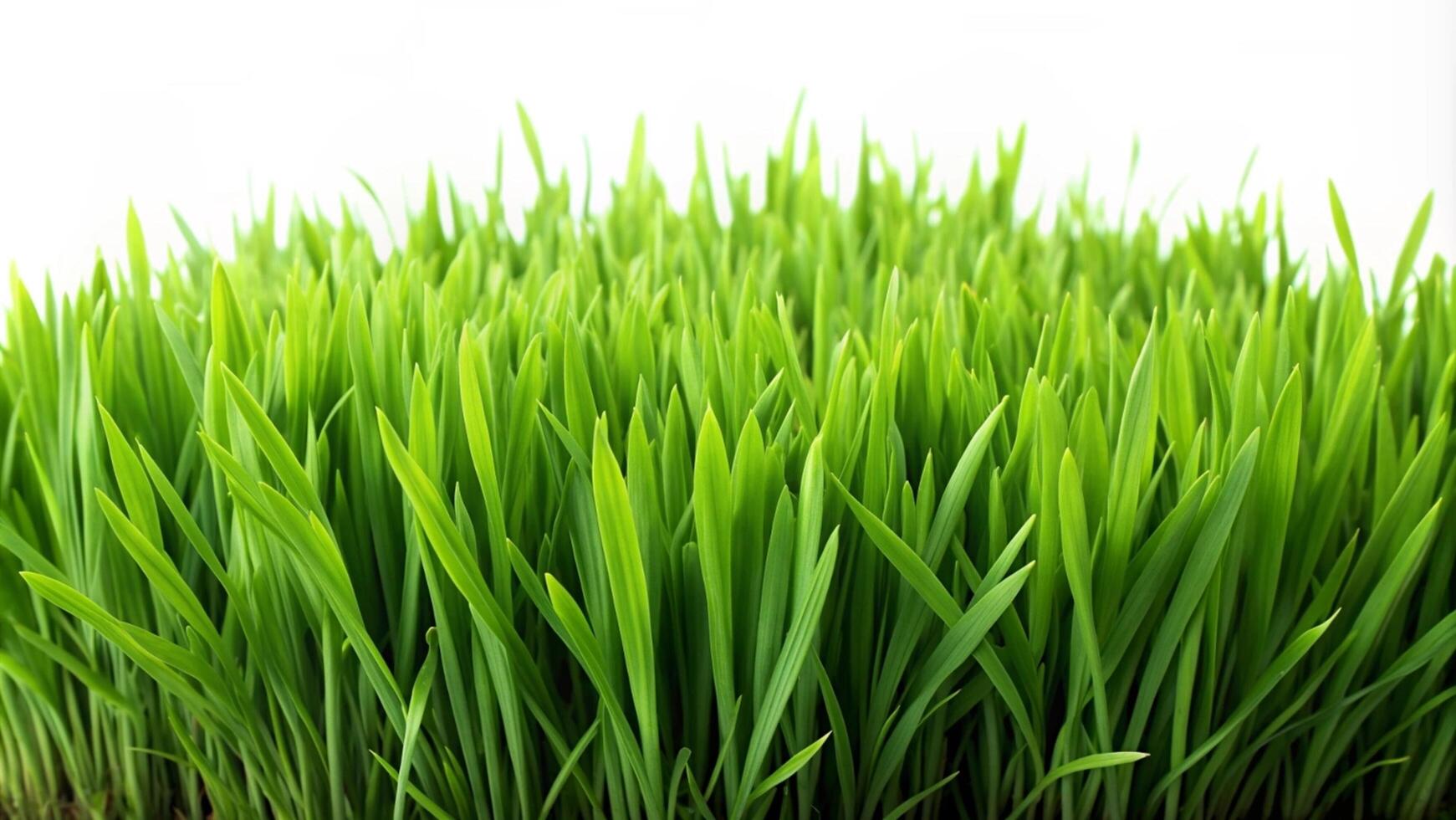
Yes, organic wheat grass is generally considered gluten-free. The gluten protein is not developed in the grass stage of the wheat plant, and is only found in the mature seed kernels.
Quick Tips
1Rich in chlorophyll, which may have detoxifying properties
2High in antioxidants, which can help combat free radicals and oxidative stress
3Good source of vitamins, including A, C, E, K, and B-complex vitamins
# In This Article
3 sectionsQuick navigation to each section of this article:
1 Benefits of Organic Wheat Grass
Rich in chlorophyll, which may have detoxifying properties
Jump2 Who should avoid Organic Wheat Grass
People with celiac disease or gluten sensitivity: Although wheat grass is typically gluten-free when harvested before the wheat plant develops seeds, there’s a risk of cross-contamination during processing.
Jump3 Related Gluten Free Products
Here are five gluten-free options similar to Organic Wheat Grass, along with brief descriptions:
JumpBenefits of Organic Wheat Grass
| Benefits of Organic Wheat Grass |
|---|
| Rich in chlorophyll, which may have detoxifying properties |
| High in antioxidants, which can help combat free radicals and oxidative stress |
| Good source of vitamins, including A, C, E, K, and B-complex vitamins |
| Contains essential minerals like iron, calcium, magnesium, and zinc |
| May boost immune system function |
| Potential anti-inflammatory properties |
| Could aid in digestion and promote gut health |
| May help regulate blood sugar levels |
| Possibly beneficial for weight management |
| Could improve energy levels and reduce fatigue |
| May support liver function and detoxification |
| Potential to alkalize the body, helping to balance pH levels |
| May improve cognitive function and mental clarity |
| Could support skin health and appearance |
| Possible benefits for cardiovascular healthIt’s important to note that while many of these benefits are supported by some evidence, more research is needed to fully understand the extent of wheat grass’s health impacts. As with any supplement, it’s advisable to consult with a healthcare professional before adding it to your diet. |
Who should avoid Organic Wheat Grass
| Who should avoid Organic Wheat Grass |
|---|
| People with celiac disease or gluten sensitivity: Although wheat grass is typically gluten-free when harvested before the wheat plant develops seeds, there’s a risk of cross-contamination during processing. |
| Individuals with wheat allergies: Even though wheat grass is different from wheat grain, those with severe wheat allergies should consult a doctor before consuming it. |
| Pregnant or breastfeeding women: Due to limited research on its effects during pregnancy and lactation, it’s best to avoid wheat grass or consult a healthcare provider. |
| People with grass allergies: Some individuals may experience allergic reactions to wheat grass. |
| Those with compromised immune systems: Raw wheat grass may contain bacteria that could be harmful to immunocompromised individuals. |
| People taking blood-thinning medications: Wheat grass is high in vitamin K, which can interfere with blood-thinning medications like warfarin. |
| Individuals with digestive disorders: Some people may experience nausea, constipation, or other digestive issues when consuming wheat grass. |
| Those prone to headaches: Some people report experiencing headaches after consuming wheat grass. |
| Anyone undergoing chemotherapy: Consult with a healthcare provider before using wheat grass supplements during cancer treatment.Always consult with a healthcare professional before adding any new supplement to your diet, especially if you have pre-existing health conditions or are taking medications. |
Related Gluten Free Products
Here are five gluten-free options similar to Organic Wheat Grass, along with brief descriptions:
| Related Gluten Free Products |
|---|
| Organic Alfalfa Grass: Rich in chlorophyll and various nutrients, alfalfa grass is often used to support digestion, reduce inflammation, and promote overall wellness. |
| Organic Oat Grass: A good source of beta-carotene, vitamins C and K, and minerals. It's believed to support cardiovascular health and boost energy levels. |
| Organic Kamut Grass: Derived from an ancient grain, Kamut grass is high in chlorophyll and antioxidants. It's often used to support detoxification and improve digestive health. |
| Organic Spirulina: While not a grass, this blue-green algae is a nutrient-dense superfood rich in protein, vitamins, and minerals. It's known for its potential to boost energy, support immune function, and aid in detoxification.These options are all gluten-free and offer various health benefits similar to wheat grass, making them suitable alternatives for those avoiding gluten or looking to diversify their superfood intake. |
Health Information
? Frequently Asked Questions
4 questions1 Does organic wheatgrass powder have gluten?
2 Who should avoid wheat grass?
3 Is wheat grass OK if you have a wheat allergy?
4 Is organic wheat gluten-free?
Our Expert
Drs. Ilse van Asperen
Orthomolecular Therapist, Nutritional Coach & Professional Editor
Drs. Ilse van Asperen is a medical doctor specialising in orthomolecular therapy and nutritional coaching. With a background in public and clinical health research and management, she focuses on addressing the root causes of health issues through diet, gut health, and stress reduction. As a professional editor for Little Helpers, she reviews all gluten-free content to ensure accuracy, safety, and scientific credibility. Read more on Drs. Ilse van Asperen's own website
Our Sources
The information on this page is based on reputable health and nutrition organisations, ensuring accuracy and reliability for anyone following a gluten-free diet. For further details, see the sources below.