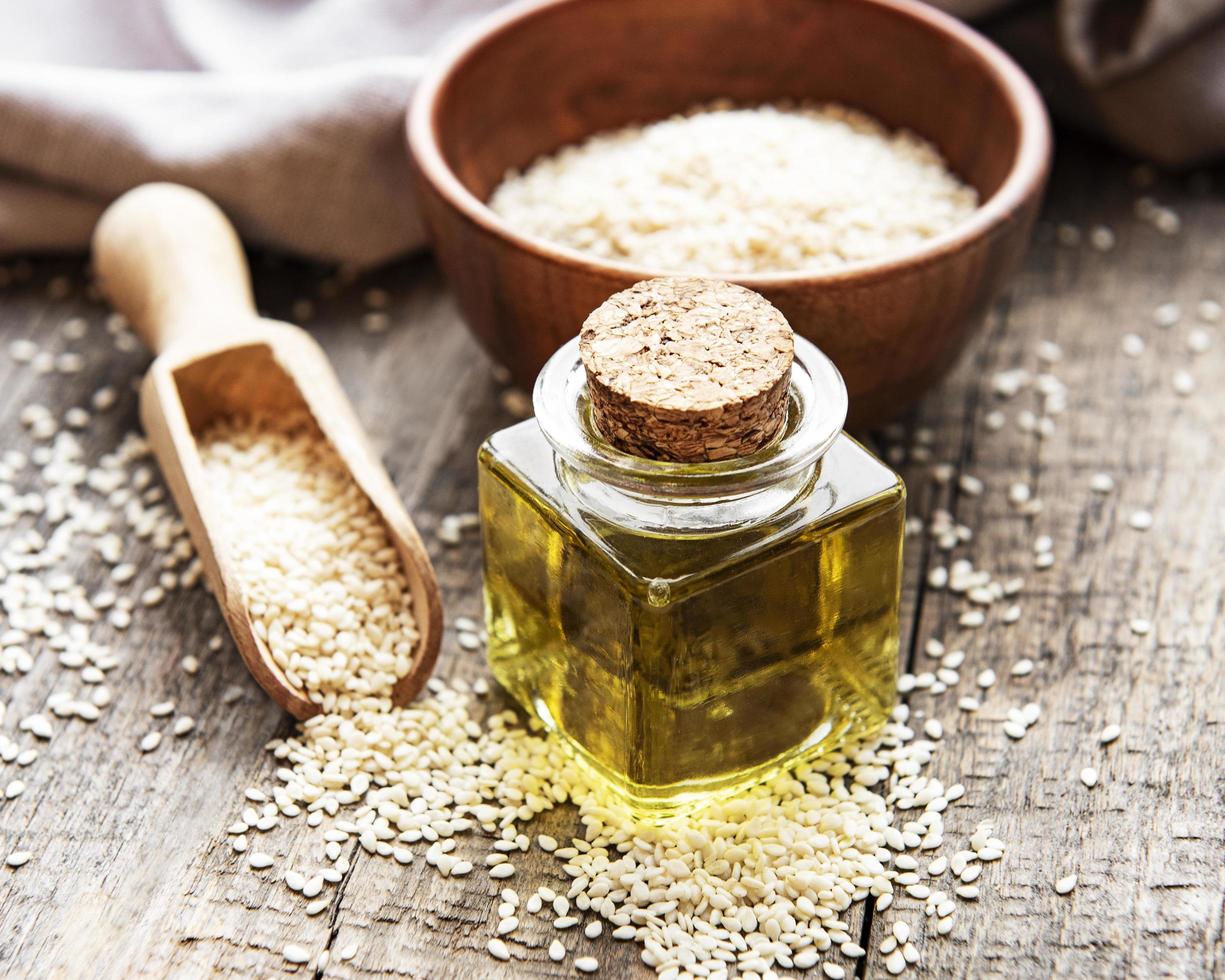
Is Sesame Seed Gluten Free?

Is Sesame Seed Gluten Free?

Yes, sesame seeds are naturally gluten-free. They are safe for people with celiac disease or gluten sensitivity to consume, as long as they haven’t been cross-contaminated with gluten-containing products during processing or packaging.

TL;DR

Yes, sesame seeds are naturally gluten-free. They are safe for people with celiac disease or gluten sensitivity to consume, as long as they haven’t been cross-contaminated with gluten-containing products during processing or packaging.

Quick Tips

1

Rich in antioxidants, particularly sesamin and sesamolin

2

May help lower cholesterol levels

3

Potential to reduce high blood pressure

# In This Article

3 sections

Quick navigation to each section of this article:

1 Benefits of Sesame Seed

Rich in antioxidants, particularly sesamin and sesamolin

Jump
2 Who should avoid Sesame Seed

People with a known sesame allergy

Jump
3 Related Gluten Free Products

Here are five gluten-free options similar to sesame seeds, along with short descriptions:

Jump

Benefits of Sesame Seed

Benefits of Sesame Seed
Rich in antioxidants, particularly sesamin and sesamolin
May help lower cholesterol levels
Potential to reduce high blood pressure
Good source of fiber, supporting digestive health
Contains lignans, which may help prevent certain cancers
High in calcium, promoting bone health
Provides iron, supporting red blood cell production
Contains zinc, important for immune function and wound healing
Rich in magnesium, supporting muscle and nerve function
May help regulate blood sugar levels
Contains vitamin E, an antioxidant that supports skin health
Potential anti-inflammatory properties
May help reduce arthritis pain
Supports hormone balance, particularly in post-menopausal women
Contains B vitamins, important for metabolism and energy production
May improve sleep quality due to tryptophan content
Potential to support liver health
Can aid in weight management as part of a balanced dietRemember to consult with a healthcare professional before making significant changes to your diet or if you have specific health concerns.

Who should avoid Sesame Seed

Who should avoid Sesame Seed
People with a known sesame allergy
Individuals with a history of anaphylaxis to other seeds or nuts (as there may be cross-reactivity)
Those who are undergoing allergy testing or following an elimination diet to identify food sensitivities
People taking blood-thinning medications (such as warfarin) without consulting their doctor, as sesame seeds contain vitamin K which can interfere with these medications
Individuals with digestive disorders like diverticulitis, as small seeds may irritate the digestive tract
Those with a history of kidney stones, as sesame seeds are high in oxalates
People on a low-calorie or low-fat diet, as sesame seeds are calorie-dense and high in fat
Individuals with compromised immune systems, who should be cautious with raw sesame seeds due to potential contamination
Those preparing for certain medical procedures or surgeries, as directed by their healthcare provider
Young children under 3 years old, due to potential choking hazards (whole seeds)Always consult with a healthcare professional or allergist if you have concerns about consuming sesame seeds.
ENJOY YOUR FAVORITE FOODS FEARLESSLY!
Don’t let gluten hold you back. Take Anti-Gluten Pills before your meal and enjoy peace of mind.
SHOP ANTI-GLUTEN PILLS
Clinically proven · Up to 86% gluten reduction · Fast acting

Here are five gluten-free options similar to sesame seeds, along with short descriptions:

Related Gluten Free Products
Chia Seeds: Small, nutrient-dense seeds rich in omega-3 fatty acids, fiber, and antioxidants. They can absorb liquid and form a gel-like consistency, making them useful in baking and as a thickening agent.
Flax Seeds: Slightly larger than sesame seeds, flax seeds are high in omega-3s and lignans. They have a nutty flavor and can be ground to improve nutrient absorption. Often used in baking or as a topping for yogurt and smoothie bowls.
Pumpkin Seeds: Also known as pepitas, these green seeds are rich in minerals like zinc and magnesium. They have a slightly sweet, nutty flavor and can be eaten raw, roasted, or used in baking for added crunch.
Sunflower Seeds: Small, oval-shaped seeds with a mild, nutty flavor. They're high in vitamin E and healthy fats. Commonly used as a topping for salads, in trail mixes, or as a standalone snack.
Hemp Seeds: Small, soft seeds with a subtle nutty flavor. They're an excellent source of plant-based protein and omega-3 fatty acids. Often used in smoothies, as a topping for yogurt or oatmeal, or incorporated into baked goods.

Health Information

? Frequently Asked Questions

4 questions
1 Do sesame seeds have gluten in them?
Sesame seeds do not contain gluten. They are naturally gluten-free and safe for people with celiac disease or gluten sensitivity to consume. Sesame seeds are actually a seed, not a grain, and gluten is only found in certain grains like wheat, barley, and rye. However, it's important to be cautious of potential cross-contamination if sesame seeds are processed in facilities that also handle gluten-containing products.
2 Do any seeds contain gluten?
Most seeds do not contain gluten. Gluten is primarily found in grains like wheat, barley, and rye. However, there can be a risk of cross-contamination for seeds processed in facilities that also handle gluten-containing grains. People with celiac disease or gluten sensitivity should look for seeds labeled as gluten-free to be safe.
3 Is sesame seed crust gluten-free?
Sesame seeds themselves are naturally gluten-free. However, sesame seed crusts are often made with wheat flour or other gluten-containing ingredients as a binder. Therefore, most commercially available sesame seed crusts are not gluten-free. It's important to check the ingredients list or ask the manufacturer to be certain about the gluten content of a specific sesame seed crust product.
4 Are Bob's Red Mill sesame seeds gluten-free?
Bob's Red Mill sesame seeds are gluten-free. They are naturally gluten-free seeds that do not contain any wheat, barley, rye, or other gluten-containing grains. Bob's Red Mill takes precautions to avoid cross-contamination in their facility. However, it's always best to check the specific product packaging for the most up-to-date information on gluten-free status.
LIVE GLUTEN-FREE WITHOUT THE FUSS!
Introducing Tolerase® G, clinically proven to reduce up to 86% of gluten in under 10 minutes. Experience the freedom to eat what you love.
SHOP ANTI-GLUTEN PILLS
150mg pure Tolerase® G · Reduces gluten by 86% · Under 10 minutes

Our Expert

Drs. Ilse van Asperen, Orthomolecular Therapist and Nutritional Coach

Drs. Ilse van Asperen

Orthomolecular Therapist, Nutritional Coach & Professional Editor

Drs. Ilse van Asperen is a medical doctor specialising in orthomolecular therapy and nutritional coaching. With a background in public and clinical health research and management, she focuses on addressing the root causes of health issues through diet, gut health, and stress reduction. As a professional editor for Little Helpers, she reviews all gluten-free content to ensure accuracy, safety, and scientific credibility. Read more on Drs. Ilse van Asperen's own website

Our Sources

The information on this page is based on reputable health and nutrition organisations, ensuring accuracy and reliability for anyone following a gluten-free diet. For further details, see the sources below.
Sources

Similar Articles

Back to blog