Share
TL;DR
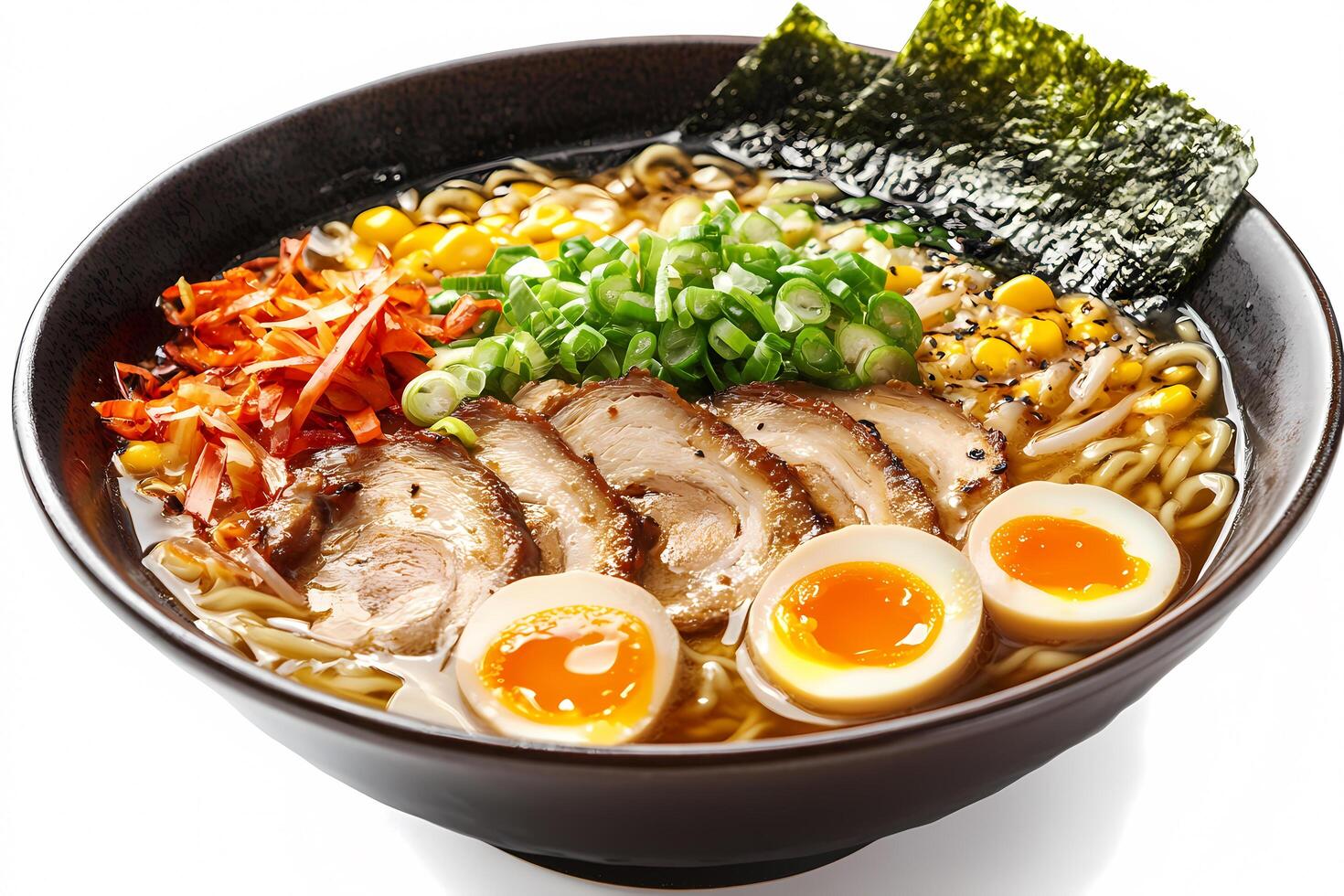
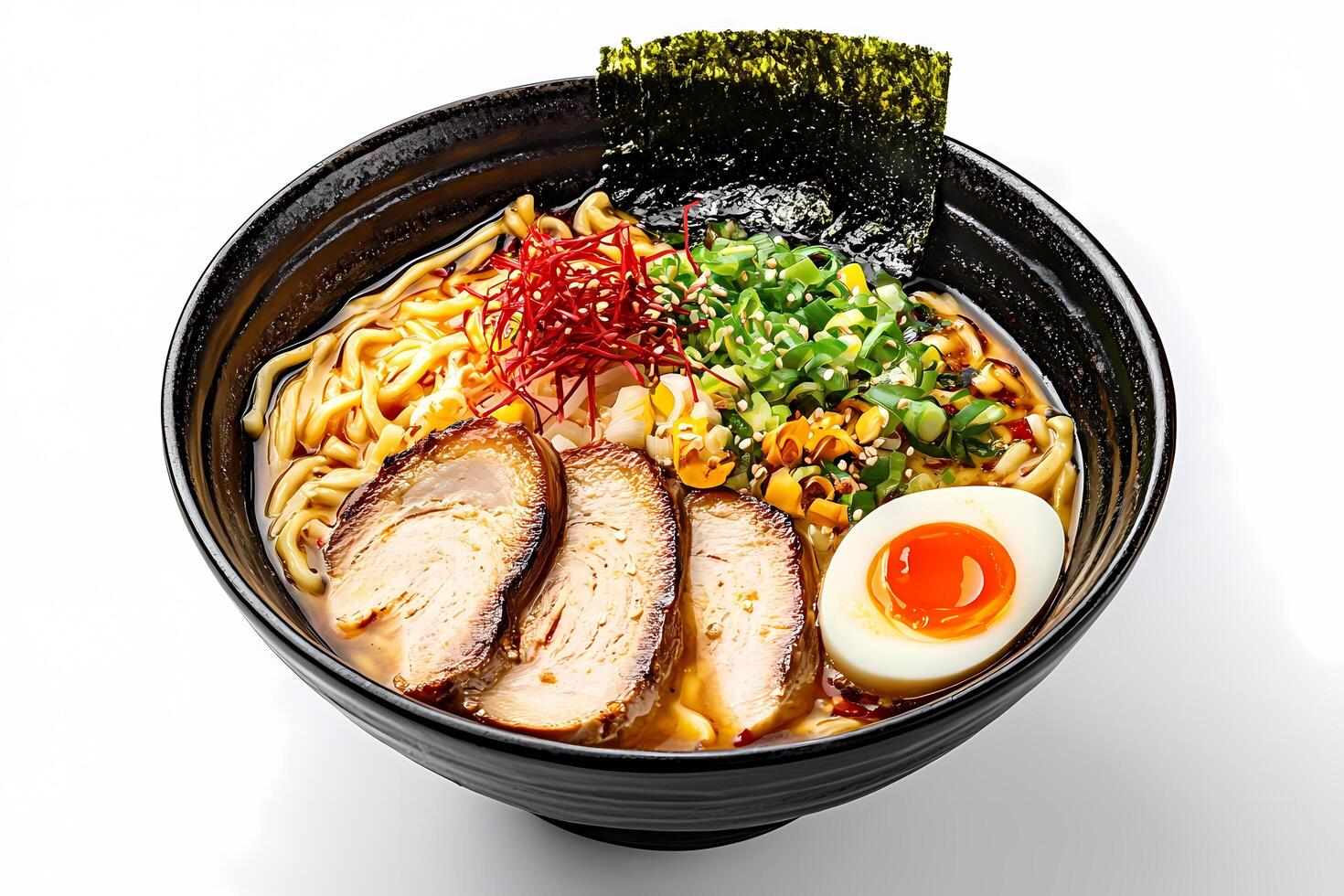
Traditional tonkotsu ramen is not gluten-free because the noodles are typically made with wheat flour. However, some restaurants may offer gluten-free noodle alternatives, such as rice noodles or gluten-free wheat substitutes, allowing for a gluten-free version of tonkotsu ramen.
Quick Tips
1High protein content: The pork-based broth and meat toppings provide a good source of protein.
2Bone broth benefits: The collagen-rich broth may support joint health and digestion.
3Nutrient-dense: Contains various vitamins and minerals from vegetables and other ingredients.
# In This Article
3 sectionsQuick navigation to each section of this article:
1 Benefits of Tonkotsu Ramen
High protein content: The pork-based broth and meat toppings provide a good source of protein.
Jump2 Who should avoid Tonkotsu Ramen
Vegetarians and vegans, as the broth is made from pork bones and often contains pork-based toppings
Jump3 Gluten Free Alternatives
Here are five gluten-free alternatives to Tonkotsu Ramen, along with short descriptions:
JumpBenefits of Tonkotsu Ramen
| Benefits of Tonkotsu Ramen |
|---|
| High protein content: The pork-based broth and meat toppings provide a good source of protein. |
| Bone broth benefits: The collagen-rich broth may support joint health and digestion. |
| Nutrient-dense: Contains various vitamins and minerals from vegetables and other ingredients. |
| Hydration: The broth helps maintain fluid balance in the body. |
| Energy boost: Carbohydrates from noodles provide quick energy. |
| Warming effect: Hot soup can help clear nasal passages and provide comfort. |
| Customizable: Can be tailored to include various healthy toppings like seaweed, eggs, and vegetables. |
| Zinc content: Pork-based broth may provide zinc, which supports immune function. |
| Sodium for electrolyte balance: Though high in sodium, it can help replenish electrolytes after exercise. |
| Potential probiotic benefits: Some versions may include fermented ingredients like kimchi or miso.Remember that while Tonkotsu Ramen has these potential benefits, it’s also typically high in calories, sodium, and fat, so it should be consumed in moderation as part of a balanced diet. |
Who should avoid Tonkotsu Ramen
| Who should avoid Tonkotsu Ramen |
|---|
| Vegetarians and vegans, as the broth is made from pork bones and often contains pork-based toppings |
| Those following a kosher or halal diet, due to the pork content |
| People with high cholesterol, as the broth is high in saturated fat |
| Individuals on a low-sodium diet, since the broth is typically very high in salt |
| Those with heart conditions or at risk of heart disease, due to the high fat and sodium content |
| People with gout or at risk of developing gout, as the broth is high in purines |
| Individuals with digestive issues or sensitive stomachs, as the rich, fatty broth can be hard to digest |
| Those on a calorie-restricted diet, as tonkotsu ramen is often high in calories |
| People with pork allergies or intolerances |
| Individuals trying to reduce their overall meat consumption for health or environmental reasons |
| Those with gluten sensitivities or celiac disease, unless gluten-free noodles are usedRemember, everyone’s dietary needs and restrictions are different, so it’s always best to consult with a healthcare professional if you have specific concerns about your diet. |
Gluten Free Alternatives
Here are five gluten-free alternatives to Tonkotsu Ramen, along with short descriptions:
| Gluten Free Alternatives |
|---|
| Rice Noodle Pho:A Vietnamese soup featuring rice noodles, rich broth, and various meats and herbs. It's naturally gluten-free and offers a similar comforting experience to ramen. |
| Shirataki Noodle Soup:Made from konjac yam, shirataki noodles are zero-calorie and gluten-free. They can be used in a pork-based broth to mimic the texture and experience of Tonkotsu ramen. |
| Zucchini Noodle (Zoodle) Soup:Spiralized zucchini replaces wheat noodles, creating a low-carb, gluten-free alternative. It can be paired with a rich, pork-based broth and traditional ramen toppings. |
| Kelp Noodle Ramen:Made from seaweed, kelp noodles are gluten-free, low in calories, and rich in minerals. They provide a unique texture and can be used in a Tonkotsu-style broth. |
| Gluten-Free Ramen:Some brands offer ramen made with gluten-free noodles, typically using rice, millet, or other gluten-free grains. These can be used with a traditional Tonkotsu broth for an authentic experience without gluten. |
Health Information
? Frequently Asked Questions
4 questions1 Does Tonkotsu Ramen have gluten?
2 What kind of ramen is gluten-free?
3 What is Tonkotsu Ramen made of?
4 Why is ramen not gluten-free?
Our Expert
Drs. Ilse van Asperen
Orthomolecular Therapist, Nutritional Coach & Professional Editor
Drs. Ilse van Asperen is a medical doctor specialising in orthomolecular therapy and nutritional coaching. With a background in public and clinical health research and management, she focuses on addressing the root causes of health issues through diet, gut health, and stress reduction. As a professional editor for Little Helpers, she reviews all gluten-free content to ensure accuracy, safety, and scientific credibility. Read more on Drs. Ilse van Asperen's own website
Our Sources
The information on this page is based on reputable health and nutrition organisations, ensuring accuracy and reliability for anyone following a gluten-free diet. For further details, see the sources below.