Is Caesar Dressing Gluten Free?

Is Caesar Dressing Gluten Free?

Traditional Caesar dressing is typically gluten-free, as its main ingredients (egg yolks, oil, lemon juice, anchovies, garlic, and Parmesan cheese) do not contain gluten. However, some store-bought or restaurant versions may include gluten-containing additives or thickeners, so it’s always best to check the label or ask about ingredients if you have gluten sensitivities.

TL;DR

Traditional Caesar dressing is typically gluten-free, as its main ingredients (egg yolks, oil, lemon juice, anchovies, garlic, and Parmesan cheese) do not contain gluten. However, some store-bought or restaurant versions may include gluten-containing additives or thickeners, so it’s always best to check the label or ask about ingredients if you have gluten sensitivities.

Quick Tips

1

Source of healthy fats: Many Caesar dressings contain olive oil, which is rich in heart-healthy monounsaturated fats.

2

Provides protein: The inclusion of eggs and sometimes anchovies adds protein to the dressing.

3

Contains vitamins: Ingredients like lemon juice and garlic provide vitamin C and other antioxidants.

# In This Article

3 sections

Quick navigation to each section of this article:

1 Benefits of Caesar Dressing

Source of healthy fats: Many Caesar dressings contain olive oil, which is rich in heart-healthy monounsaturated fats.

Jump
2 Who should avoid Caesar Dressing

Pregnant women: Due to the risk of raw or undercooked eggs potentially containing Salmonella

Jump
3 Gluten Free Alternatives

Here are five gluten-free alternatives to Caesar Dressing, along with short descriptions:

Jump

Benefits of Caesar Dressing

Benefits of Caesar Dressing
Source of healthy fats: Many Caesar dressings contain olive oil, which is rich in heart-healthy monounsaturated fats.
Provides protein: The inclusion of eggs and sometimes anchovies adds protein to the dressing.
Contains vitamins: Ingredients like lemon juice and garlic provide vitamin C and other antioxidants.
Mineral content: Parmesan cheese, often used in Caesar dressing, is a good source of calcium.
Promotes satiety: The combination of fats and protein can help you feel fuller for longer.
Flavor enhancer: It can make salads more appealing, potentially increasing vegetable consumption.
Probiotic potential: Some homemade versions using raw egg yolks may contain beneficial bacteria.
Garlic benefits: Garlic in the dressing has anti-inflammatory and antimicrobial properties.
Bone health: The calcium from cheese can contribute to bone health.
Digestive aid: The lemon juice in Caesar dressing may help stimulate digestive juices.However, it’s important to consume Caesar dressing in moderation due to its typically high calorie and fat content. Some store-bought versions may also be high in sodium and preservatives.

Who should avoid Caesar Dressing

Who should avoid Caesar Dressing
Pregnant women: Due to the risk of raw or undercooked eggs potentially containing Salmonella
People with egg allergies: Most Caesar dressings contain raw or partially cooked eggs
Individuals with dairy allergies: Many Caesar dressings contain dairy products like Parmesan cheese
Those with anchovy allergies or sensitivities: Traditional Caesar dressing recipes include anchovies
People on low-sodium diets: Caesar dressing can be high in sodium
Individuals with compromised immune systems: Due to the risk of foodborne illness from raw eggs
Those following a vegan diet: Most Caesar dressings contain animal products
People with gluten sensitivities: Some Caesar dressings may contain gluten-based ingredients
Individuals on a low-fat diet: Caesar dressing is typically high in fat content
Those with fish allergies: Due to the anchovy content in traditional recipesRemember that there are variations of Caesar dressing, including egg-free and anchovy-free versions, which may be suitable for some of these groups. Always check the ingredients and consult with a healthcare professional if you have specific dietary concerns.
ENJOY YOUR FAVORITE FOODS FEARLESSLY!
Don’t let gluten hold you back. Take Anti-Gluten Pills before your meal and enjoy peace of mind.
SHOP ANTI-GLUTEN PILLS
Clinically proven · Up to 86% gluten reduction · Fast acting

Gluten Free Alternatives

Here are five gluten-free alternatives to Caesar Dressing, along with short descriptions:

Gluten Free Alternatives
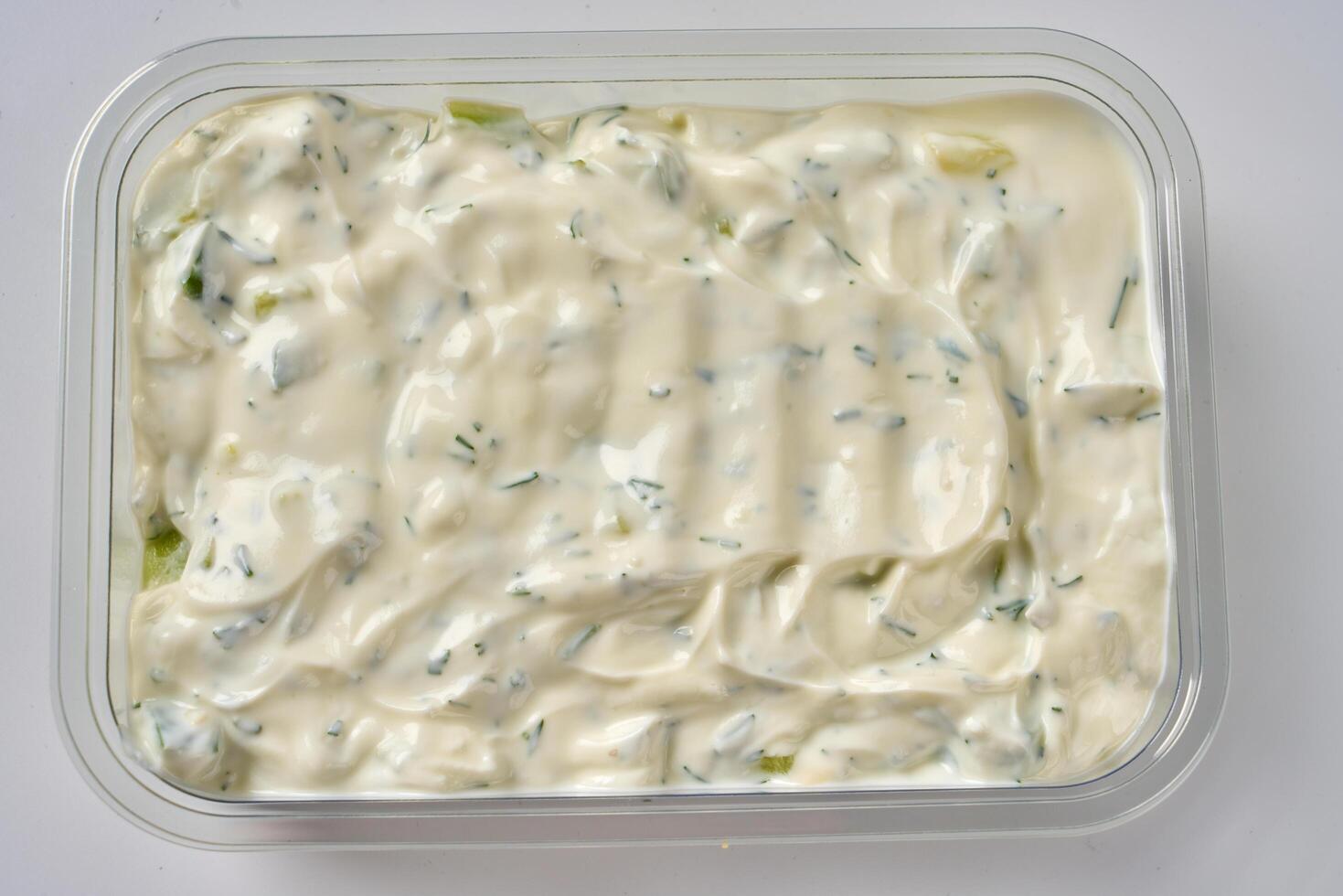
Greek Yogurt Dressing:A creamy, tangy dressing made with Greek yogurt, lemon juice, garlic, and herbs. It's high in protein and probiotics, offering a healthier alternative to traditional Caesar dressing.
Avocado-based Dressing:A rich, smooth dressing made from ripe avocados, olive oil, lemon juice, and seasonings. It provides healthy fats and a velvety texture similar to Caesar dressing.
Tahini Dressing:A Middle Eastern-inspired dressing made from ground sesame seeds, lemon juice, garlic, and olive oil. It offers a nutty flavor and creamy consistency, making it a great gluten-free option.
Cashew Dressing:A dairy-free, vegan alternative made from blended cashews, nutritional yeast, lemon juice, and seasonings. It mimics the creamy texture of Caesar dressing while providing plant-based protein.
Olive Oil and Lemon Vinaigrette:A light, zesty dressing made with extra virgin olive oil, fresh lemon juice, Dijon mustard, and herbs. It's a simpler alternative that still complements salads and vegetables well.

Health Information

? Frequently Asked Questions

4 questions
1 Does caesar dressing have gluten in it?
Traditional Caesar dressing typically does not contain gluten. However, some store-bought varieties may include gluten-containing ingredients as thickeners or preservatives. It's important to check the label carefully if you have gluten sensitivities or celiac disease. When making Caesar dressing at home, you can easily ensure it's gluten-free by using only gluten-free ingredients.
2 Why is Caesar salad not gluten-free?
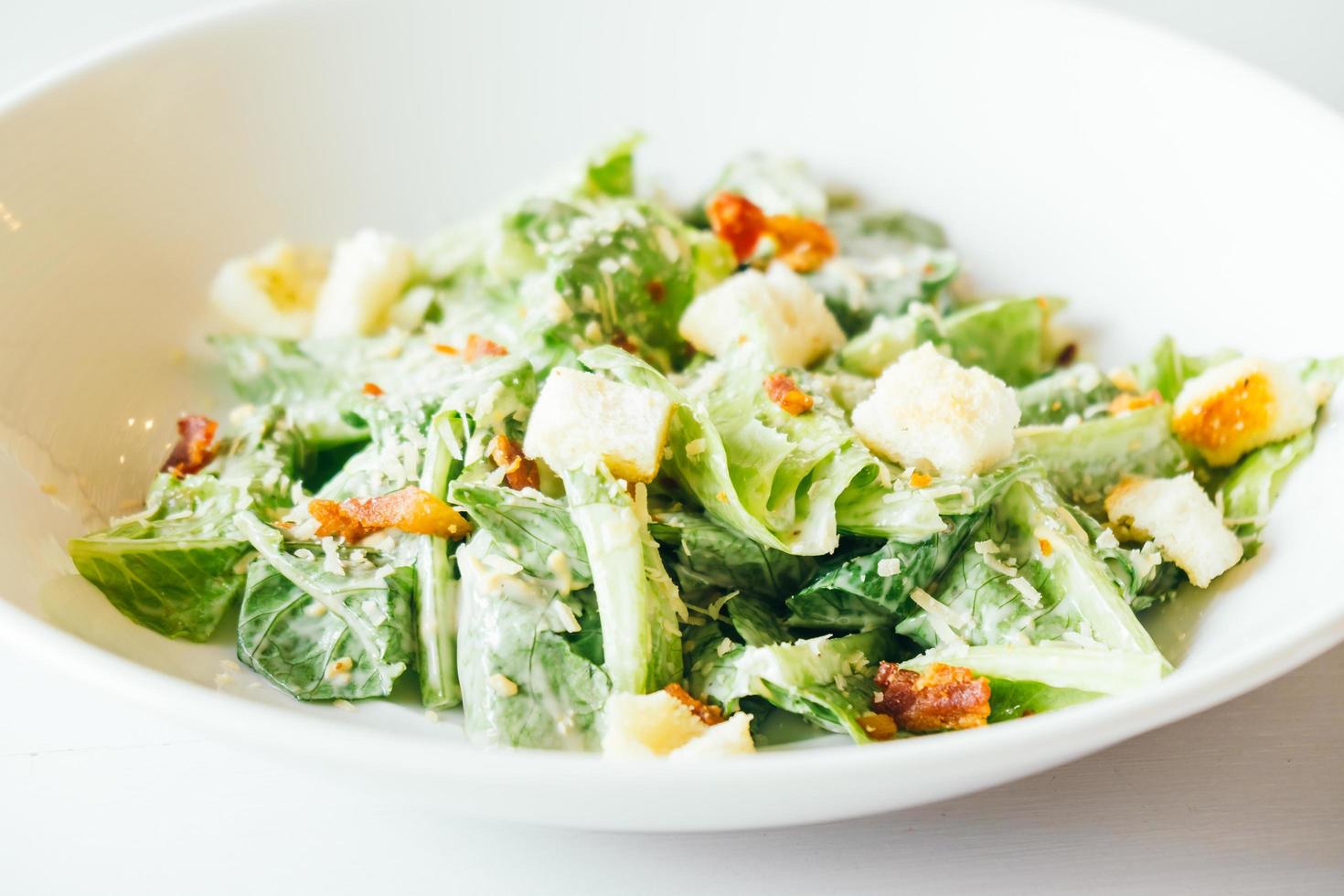
Caesar salad itself is typically gluten-free, as its main ingredients (romaine lettuce, Parmesan cheese, and Caesar dressing) do not contain gluten. However, the croutons that are traditionally added to Caesar salad are made from bread, which usually contains wheat and therefore gluten. Some Caesar dressing recipes may also include Worcestershire sauce, which often contains gluten from malt vinegar or soy sauce. To make a truly gluten-free Caesar salad, one would need to omit the croutons and ensure all other ingredients, including the dressing, are certified gluten-free.
3 What salad dressings are usually gluten-free?
Most vinaigrettes and oil-based dressings are typically gluten-free. Many ranch, blue cheese, and Caesar dressings are also often gluten-free, but it's important to check labels as some may contain gluten-containing additives. Simple dressings made with ingredients like olive oil, vinegar, lemon juice, and herbs are almost always safe choices for those avoiding gluten. However, it's always best to verify ingredients or choose certified gluten-free options if you have celiac disease or gluten sensitivity.
4 Is Hellmans Caesar dressing gluten-free?
Hellmann's Caesar dressing is not certified gluten-free. The product does not contain any obvious gluten-containing ingredients. However, it may be subject to cross-contamination during manufacturing. Individuals with celiac disease or severe gluten sensitivity should exercise caution and consult the manufacturer directly for the most up-to-date information.
LIVE GLUTEN-FREE WITHOUT THE FUSS!
Introducing Tolerase® G, clinically proven to reduce up to 86% of gluten in under 10 minutes. Experience the freedom to eat what you love.
SHOP ANTI-GLUTEN PILLS
150mg pure Tolerase® G · Reduces gluten by 86% · Under 10 minutes

Our Expert

Drs. Ilse van Asperen, Orthomolecular Therapist and Nutritional Coach

Drs. Ilse van Asperen

Orthomolecular Therapist, Nutritional Coach & Professional Editor

Drs. Ilse van Asperen is a medical doctor specialising in orthomolecular therapy and nutritional coaching. With a background in public and clinical health research and management, she focuses on addressing the root causes of health issues through diet, gut health, and stress reduction. As a professional editor for Little Helpers, she reviews all gluten-free content to ensure accuracy, safety, and scientific credibility. Read more on Drs. Ilse van Asperen's own website

Our Sources

The information on this page is based on reputable health and nutrition organisations, ensuring accuracy and reliability for anyone following a gluten-free diet. For further details, see the sources below.

Sources

Similar Articles

Back to blog