Is Caesar Salad Dressing Gluten Free?

Is Caesar Salad Dressing Gluten Free?

Generally, traditional Caesar salad dressing is gluten-free as it typically contains ingredients like olive oil, lemon juice, egg, Worcestershire sauce, garlic, and Parmesan cheese, which do not contain gluten. However, it’s important to check the specific brand or recipe, as some variations may include gluten-containing ingredients or be produced in facilities that process gluten products.

TL;DR

Generally, traditional Caesar salad dressing is gluten-free as it typically contains ingredients like olive oil, lemon juice, egg, Worcestershire sauce, garlic, and Parmesan cheese, which do not contain gluten. However, it’s important to check the specific brand or recipe, as some variations may include gluten-containing ingredients or be produced in facilities that process gluten products.

Quick Tips

1

Olive oil (often used as a base): – Contains heart-healthy monounsaturated fats – Rich in antioxidants – May help reduce inflammation

2

Lemon juice: – High in vitamin C, which supports immune function – May aid in digestion – Contains antioxidants

3

Garlic: – Has antibacterial and antifungal properties – May help lower blood pressure and cholesterol – Contains compounds that may boost immune function

# In This Article

3 sections

Quick navigation to each section of this article:

1 Benefits of Caesar Salad Dressing

Olive oil (often used as a base): – Contains heart-healthy monounsaturated fats – Rich in antioxidants – May help reduce inflammation

Jump
2 Who should avoid Caesar Salad Dressing

Pregnant women: Due to the risk of Salmonella contamination in raw eggs

Jump
3 Gluten Free Alternatives

Here are five gluten-free alternatives to Caesar Salad Dressing, along with short descriptions:

Jump

Benefits of Caesar Salad Dressing

Benefits of Caesar Salad Dressing
Olive oil (often used as a base): – Contains heart-healthy monounsaturated fats – Rich in antioxidants – May help reduce inflammation
Lemon juice: – High in vitamin C, which supports immune function – May aid in digestion – Contains antioxidants
Garlic: – Has antibacterial and antifungal properties – May help lower blood pressure and cholesterol – Contains compounds that may boost immune function
Anchovies (in some recipes): – High in omega-3 fatty acids, which are beneficial for heart and brain health – Good source of protein – Rich in vitamins and minerals, including calcium and iron
Parmesan cheese: – Good source of calcium for bone health – Contains protein – Provides some vitamins and minerals
Egg yolk (in some recipes): – Rich in vitamins and minerals, including vitamin A, D, E, and B12 – Contains choline, which is important for brain healthIt’s important to consume Caesar salad dressing in moderation due to its high calorie and fat content. For maximum health benefits, consider using a lighter version or making your own with reduced-fat ingredients.

Who should avoid Caesar Salad Dressing

Who should avoid Caesar Salad Dressing
Pregnant women: Due to the risk of Salmonella contamination in raw eggs
Young children: Their immune systems are still developing and may be more susceptible to foodborne illnesses
Elderly individuals: They may have weakened immune systems and be more vulnerable to foodborne illnesses
People with compromised immune systems: Including those with HIV/AIDS, cancer patients undergoing chemotherapy, or organ transplant recipients
Individuals with egg allergies: Caesar dressing typically contains raw eggs
People taking immunosuppressant medications: These medications can make them more susceptible to foodborne illnesses
Those with chronic illnesses: Such as diabetes or liver disease, which can affect the immune system
Anyone recovering from recent illness or surgery: Their immune system may be temporarily weakened
People with a history of foodborne illness: They may be more susceptible to future infections
Individuals following a vegan or dairy-free diet: Traditional Caesar dressing contains animal productsIt’s important to note that there are egg-free and pasteurized egg versions of Caesar dressing available, which may be suitable for some of these groups. Always consult with a healthcare professional if you have concerns about your diet.
ENJOY YOUR FAVORITE FOODS FEARLESSLY!
Don’t let gluten hold you back. Take Anti-Gluten Pills before your meal and enjoy peace of mind.
SHOP ANTI-GLUTEN PILLS
Clinically proven · Up to 86% gluten reduction · Fast acting

Gluten Free Alternatives

Here are five gluten-free alternatives to Caesar Salad Dressing, along with short descriptions:

Gluten Free Alternatives
Greek Yogurt Dressing: A creamy, tangy dressing made with Greek yogurt, lemon juice, garlic, and herbs. It's high in protein and provides a similar texture to traditional Caesar dressing.
Avocado-based Dressing: A rich, creamy dressing made from ripe avocados, olive oil, lemon juice, and seasonings. It offers healthy fats and a smooth texture while being naturally gluten-free.
Tahini Dressing: Made from ground sesame seeds, lemon juice, garlic, and olive oil. This Middle Eastern-inspired dressing provides a nutty flavor and creamy consistency without gluten.
Vinaigrette with Nutritional Yeast: A lighter option combining olive oil, vinegar, Dijon mustard, and nutritional yeast. The nutritional yeast adds a cheesy flavor similar to Parmesan, making it reminiscent of Caesar dressing.
Cashew-based Dressing: A vegan and gluten-free option made from soaked cashews, lemon juice, garlic, and seasonings. When blended, it creates a smooth, creamy dressing that mimics the texture of traditional Caesar dressing.

Health Information

? Frequently Asked Questions

4 questions
1 Does caesar salad dressing contain gluten?
Most traditional Caesar salad dressings do not contain gluten. The main ingredients typically include oil, egg yolks, lemon juice, anchovies, garlic, and Parmesan cheese, which are all naturally gluten-free. However, some commercial or restaurant versions may include additives or thickeners that contain gluten. It's always best to check the label or ask about ingredients if you have gluten sensitivities or celiac disease.
2 Why is Caesar salad not gluten-free?
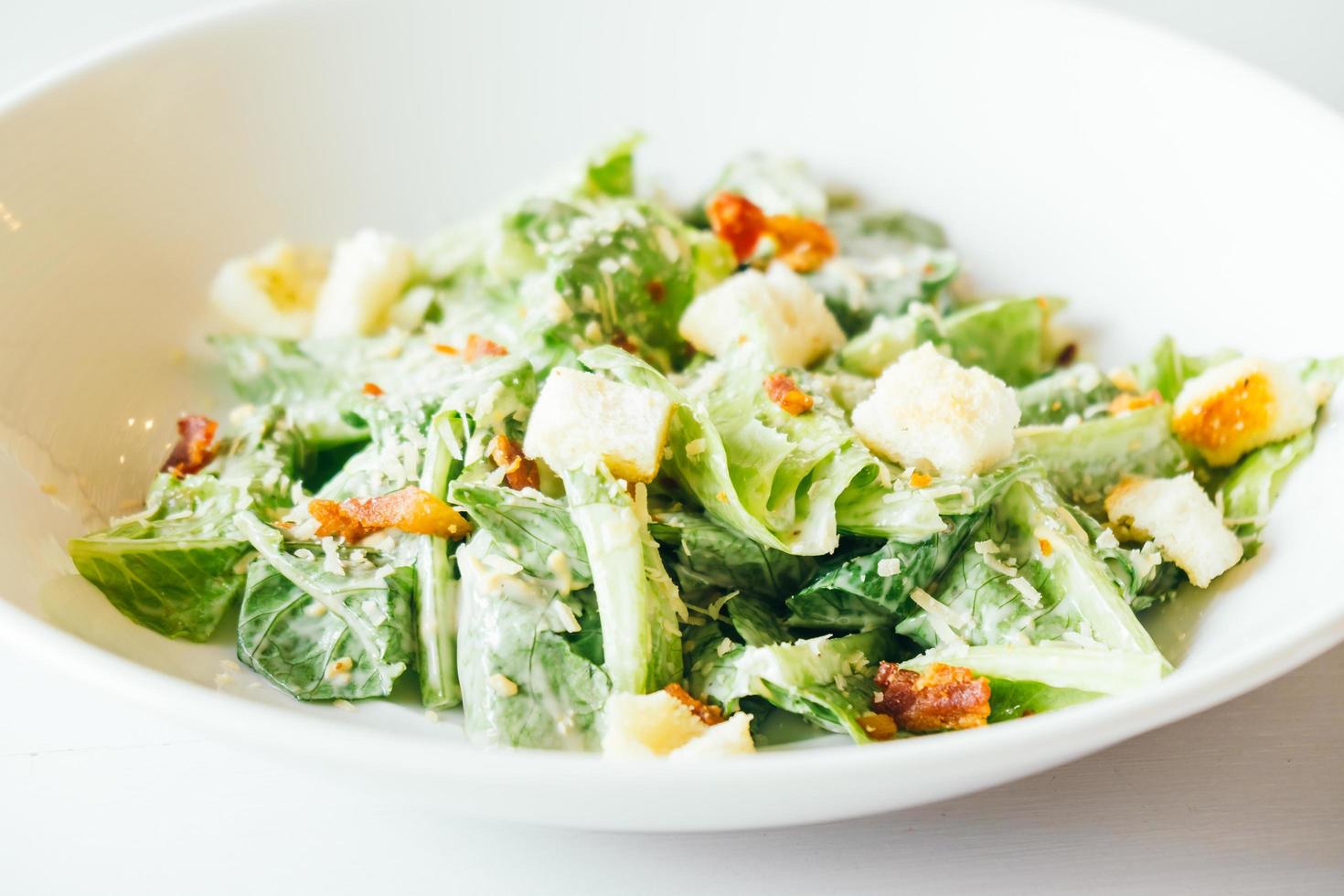
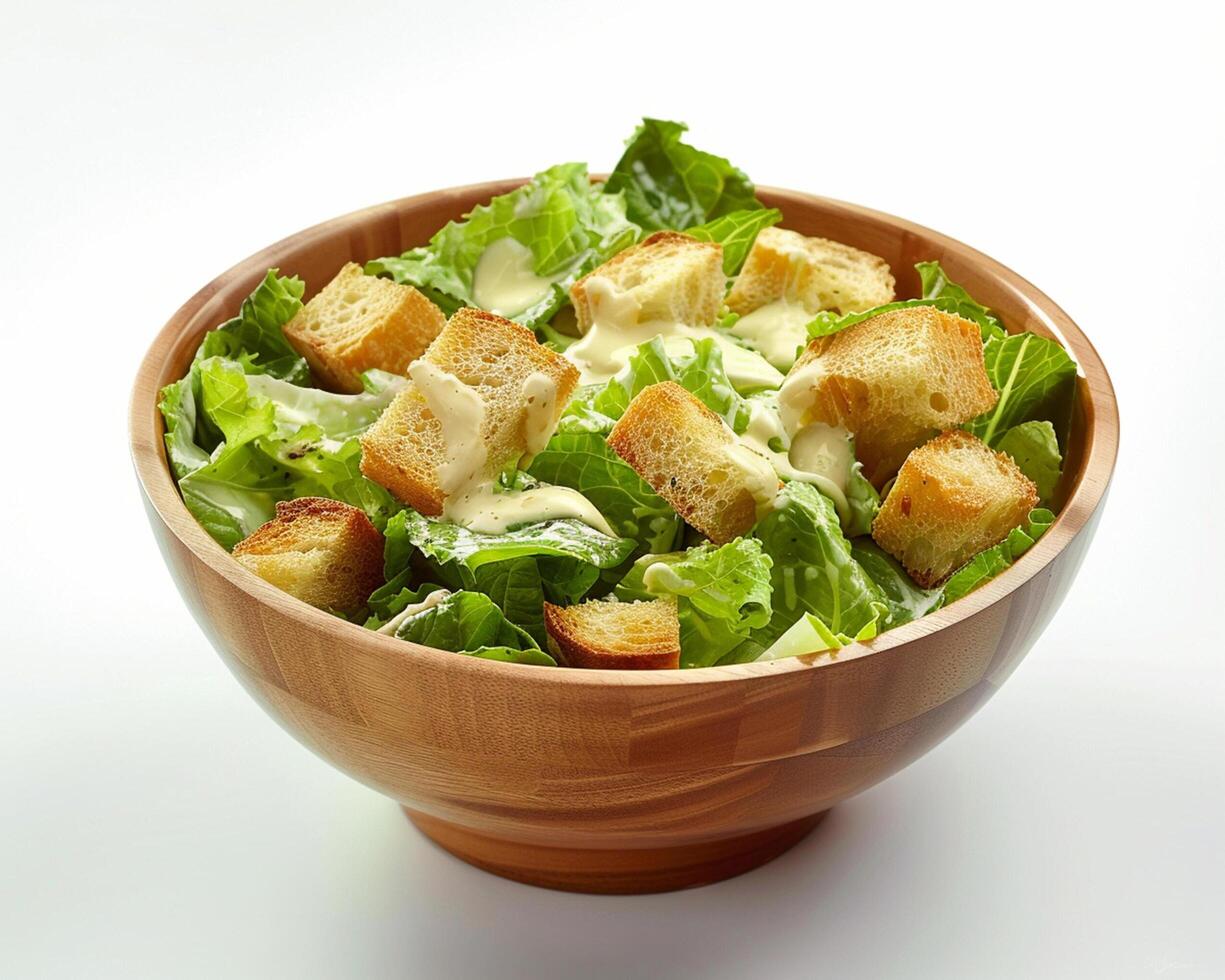
Caesar salad itself is typically gluten-free, as its main ingredients (romaine lettuce, Parmesan cheese, and Caesar dressing) do not contain gluten. However, the croutons that are traditionally added to Caesar salad are made from bread, which usually contains wheat and therefore gluten. Some Caesar dressing recipes may also include Worcestershire sauce, which often contains gluten from malt vinegar or soy sauce. To make a truly gluten-free Caesar salad, one would need to omit the croutons and ensure all other ingredients, including the dressing, are certified gluten-free.
3 Is Kraft Classic Caesar dressing gluten-free?
Kraft Classic Caesar dressing is not gluten-free. It contains wheat ingredients, specifically wheat flour, which contains gluten. This means it is not safe for those with celiac disease or gluten sensitivity to consume. Individuals requiring a gluten-free diet should look for specifically labeled gluten-free Caesar dressing alternatives.
4 Is Newman's Caesar dressing gluten-free?
Newman's Own Caesar dressing is not gluten-free. The product contains wheat, which is a source of gluten. Specifically, the dressing contains wheat-based Worcestershire sauce as an ingredient. People with celiac disease or gluten sensitivity should avoid this dressing.
LIVE GLUTEN-FREE WITHOUT THE FUSS!
Introducing Tolerase® G, clinically proven to reduce up to 86% of gluten in under 10 minutes. Experience the freedom to eat what you love.
SHOP ANTI-GLUTEN PILLS
150mg pure Tolerase® G · Reduces gluten by 86% · Under 10 minutes

Our Expert

Drs. Ilse van Asperen, Orthomolecular Therapist and Nutritional Coach

Drs. Ilse van Asperen

Orthomolecular Therapist, Nutritional Coach & Professional Editor

Drs. Ilse van Asperen is a medical doctor specialising in orthomolecular therapy and nutritional coaching. With a background in public and clinical health research and management, she focuses on addressing the root causes of health issues through diet, gut health, and stress reduction. As a professional editor for Little Helpers, she reviews all gluten-free content to ensure accuracy, safety, and scientific credibility. Read more on Drs. Ilse van Asperen's own website

Our Sources

The information on this page is based on reputable health and nutrition organisations, ensuring accuracy and reliability for anyone following a gluten-free diet. For further details, see the sources below.
Sources

Similar Articles

Back to blog