Share
TL;DR
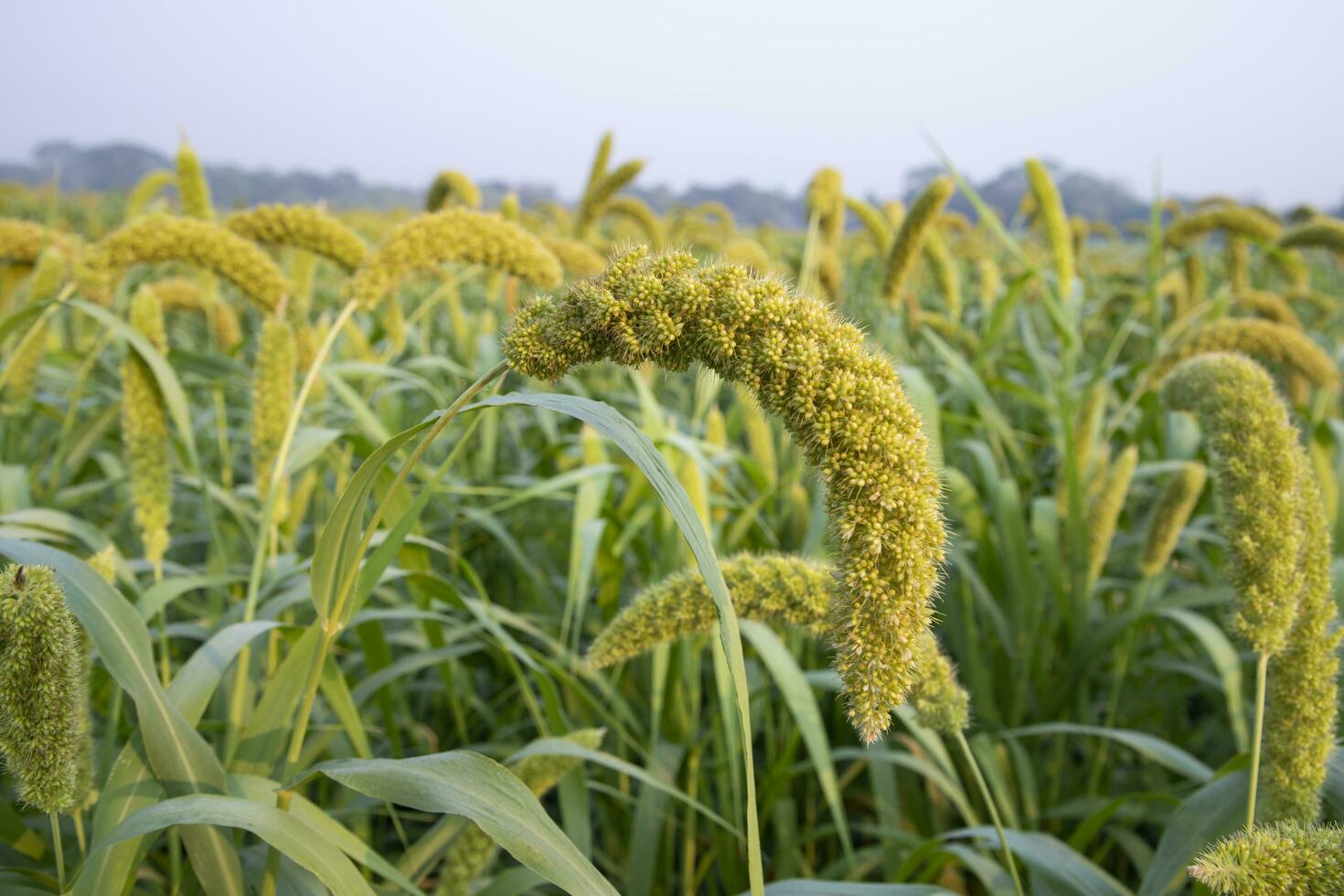
Yes, finger millet is gluten-free. It does not contain the proteins found in wheat, barley, and rye that make up gluten, making it safe for those with celiac disease or gluten sensitivity.
Quick Tips
1High in calcium: Supports bone health and prevents osteoporosis
2Rich in dietary fiber: Aids digestion and promotes gut health
3Low glycemic index: Helps manage blood sugar levels, beneficial for diabetics
# In This Article
3 sectionsQuick navigation to each section of this article:
1 Benefits of Finger Millet
High in calcium: Supports bone health and prevents osteoporosis
Jump2 Who should avoid Finger Millet
People with celiac disease: Although finger millet is gluten-free, it’s often processed in facilities that also handle wheat, which can lead to cross-contamination.
Jump3 Related Gluten Free Products
Here are five gluten-free options similar to Finger Millet, along with short descriptions:
JumpBenefits of Finger Millet
| Benefits of Finger Millet |
|---|
| High in calcium: Supports bone health and prevents osteoporosis |
| Rich in dietary fiber: Aids digestion and promotes gut health |
| Low glycemic index: Helps manage blood sugar levels, beneficial for diabetics |
| Good source of protein: Essential for muscle growth and repair |
| Contains essential amino acids: Particularly methionine, which is often lacking in plant-based diets |
| Rich in antioxidants: Helps fight free radicals and reduce oxidative stress |
| High in iron: Supports red blood cell production and prevents anemia |
| Gluten-free: Suitable for people with celiac disease or gluten sensitivity |
| Good source of phosphorus: Important for bone health and cellular function |
| Contains vitamin D: Supports calcium absorption and bone health |
| Rich in B-complex vitamins: Aids in metabolism and energy production |
| Low in fat: Beneficial for weight management and heart health |
| Contains polyphenols: May help reduce the risk of chronic diseases |
| Supports cardiovascular health: Due to its high magnesium content |
| May help lower cholesterol levels: Thanks to its dietary fiber content |
| Supports skin health: Due to the presence of amino acids and vitamin D |
| Aids in relaxation: Contains tryptophan, which can help improve sleep qualityThese health benefits make finger millet a nutritious addition to a balanced diet. |
Who should avoid Finger Millet
| Who should avoid Finger Millet |
|---|
| People with celiac disease: Although finger millet is gluten-free, it’s often processed in facilities that also handle wheat, which can lead to cross-contamination. |
| Individuals with grain allergies: Those with allergies to other grains may need to be cautious, as cross-reactivity is possible. |
| People with kidney problems: Finger millet is high in phosphorus, which may not be suitable for those with kidney issues who need to limit phosphorus intake. |
| Individuals with gout: Finger millet contains purines, which can exacerbate gout symptoms in some people. |
| Those with digestive issues: Some people may find finger millet difficult to digest, especially if consumed in large quantities. |
| People on a low-carb diet: Finger millet is high in carbohydrates, which may not align with certain dietary restrictions. |
| Individuals with oxalate sensitivity: Finger millet contains oxalates, which may be problematic for those prone to kidney stones or with oxalate sensitivity. |
| People with thyroid issues: Finger millet contains goitrogens, which can interfere with thyroid function in some individuals. |
| Those with difficulty swallowing: The texture of finger millet may be challenging for people with swallowing difficulties.It’s always advisable to consult with a healthcare professional or registered dietitian before making significant changes to your diet, especially if you have pre-existing health conditions. |
Related Gluten Free Products
Here are five gluten-free options similar to Finger Millet, along with short descriptions:
| Related Gluten Free Products |
|---|
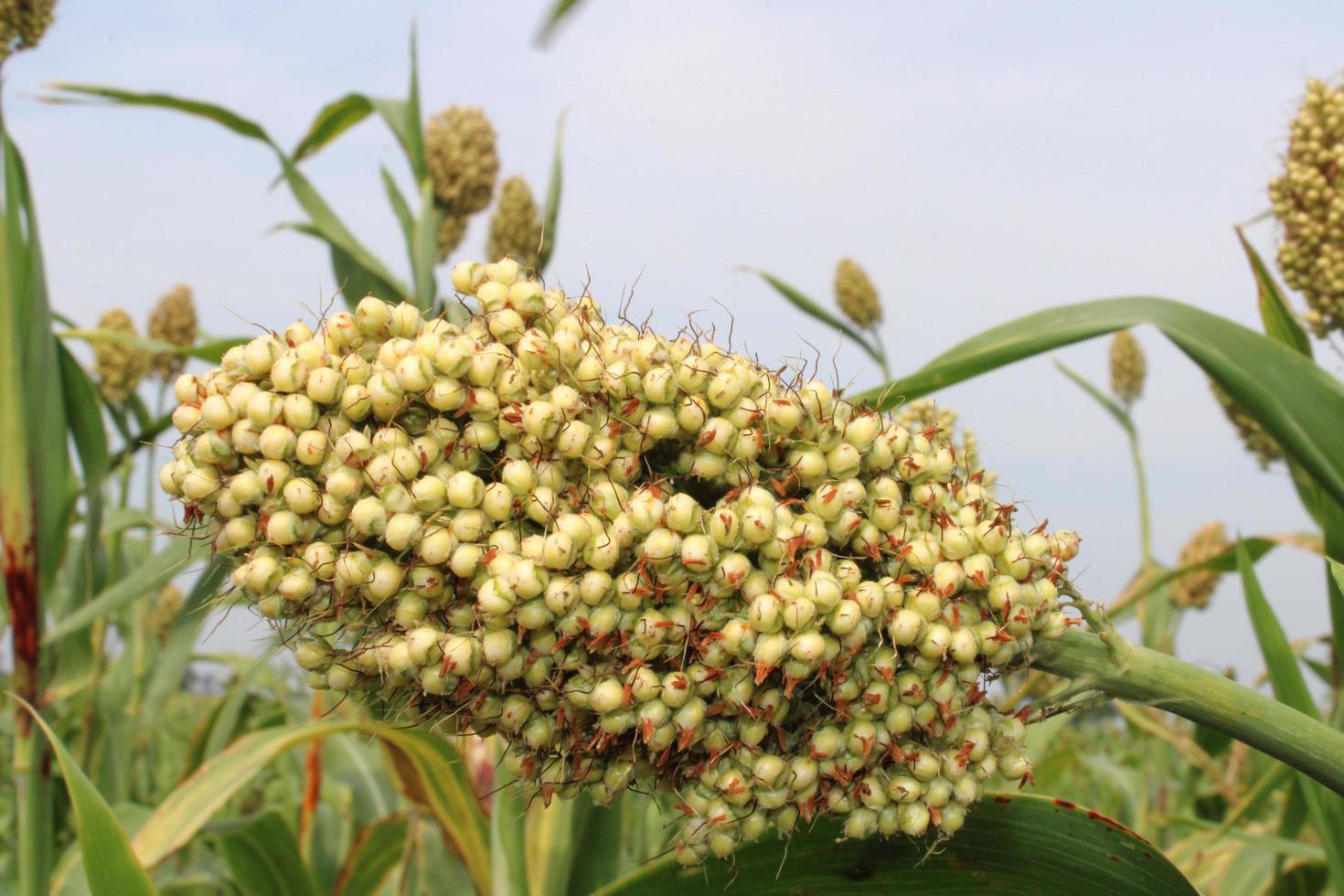
| Sorghum: A nutrient-rich, ancient grain with a mild, slightly sweet flavor. It's high in fiber, protein, and antioxidants, making it a great substitute for wheat in various recipes. |
| Quinoa: A complete protein source that's packed with essential amino acids. It has a slightly nutty flavor and a fluffy texture when cooked, making it versatile for both savory and sweet dishes. |
| Amaranth: A tiny, protein-rich seed with a slightly peppery taste. It's high in iron, calcium, and magnesium, and can be used in baking, as a breakfast porridge, or popped like popcorn. |
| Buckwheat: Despite its name, buckwheat is not related to wheat and is gluten-free. It has a nutty, earthy flavor and is rich in antioxidants and minerals. It's commonly used in pancakes, noodles, and as a rice substitute. |
| Teff: A tiny grain native to Ethiopia, teff is high in protein, fiber, and minerals. It has a mild, nutty flavor and can be used to make porridge, added to baked goods, or used as a thickening agent in soups and stews. |
Health Information
? Frequently Asked Questions
4 questions1 Which millet is not gluten-free?
2 Who should avoid finger millet?
3 Does finger millet contain gluten?
4 Can celiacs eat millet?
Our Expert
Drs. Ilse van Asperen
Orthomolecular Therapist, Nutritional Coach & Professional Editor
Drs. Ilse van Asperen is a medical doctor specialising in orthomolecular therapy and nutritional coaching. With a background in public and clinical health research and management, she focuses on addressing the root causes of health issues through diet, gut health, and stress reduction. As a professional editor for Little Helpers, she reviews all gluten-free content to ensure accuracy, safety, and scientific credibility. Read more on Drs. Ilse van Asperen's own website
Our Sources
The information on this page is based on reputable health and nutrition organisations, ensuring accuracy and reliability for anyone following a gluten-free diet. For further details, see the sources below.