Share
TL;DR
Yes, millet flour is naturally gluten-free. It is made from ground millet seeds, which do not contain gluten proteins found in wheat, barley, and rye.
Quick Tips
1High in fiber: Promotes digestive health and helps maintain regular bowel movements
2Gluten-free: Suitable for people with celiac disease or gluten sensitivity
3Rich in antioxidants: Helps protect cells from damage caused by free radicals
# In This Article
3 sectionsQuick navigation to each section of this article:
1 Benefits of Millet Flour
High in fiber: Promotes digestive health and helps maintain regular bowel movements
Jump2 Who should avoid Millet Flour
People with celiac disease or gluten sensitivity: While millet is naturally gluten-free, some products may be contaminated during processing. Always check for certified gluten-free labels.
Jump3 Related Gluten Free Products
Here are five gluten-free options similar to Millet Flour, along with short descriptions:
JumpBenefits of Millet Flour
| Benefits of Millet Flour |
|---|
| High in fiber: Promotes digestive health and helps maintain regular bowel movements |
| Gluten-free: Suitable for people with celiac disease or gluten sensitivity |
| Rich in antioxidants: Helps protect cells from damage caused by free radicals |
| Good source of protein: Supports muscle growth and repair |
| Low glycemic index: May help regulate blood sugar levels and manage diabetes |
| Contains essential minerals: Provides iron, magnesium, phosphorus, and zinc |
| Heart-healthy: May help lower cholesterol levels and reduce the risk of heart disease |
| Weight management: The high fiber content can promote feelings of fullness |
| Alkaline nature: May help balance the body’s pH levels |
| Prebiotic properties: Supports gut health by promoting beneficial bacteria growth |
| Rich in B-complex vitamins: Supports energy metabolism and nervous system function |
| Contains tryptophan: May aid in better sleep and mood regulation |
| Anti-inflammatory properties: May help reduce inflammation in the body |
| Supports bone health: Contains minerals that contribute to strong bones |
| May have anti-cancer properties: Some studies suggest potential cancer-fighting benefitsRemember that while millet flour offers these potential benefits, it should be part of a balanced diet for optimal health. |
Who should avoid Millet Flour
| Who should avoid Millet Flour |
|---|
| People with celiac disease or gluten sensitivity: While millet is naturally gluten-free, some products may be contaminated during processing. Always check for certified gluten-free labels. |
| Individuals with thyroid issues: Millet contains goitrogens, which can interfere with thyroid function if consumed in large amounts. Those with thyroid problems should consult their healthcare provider. |
| People with kidney problems: Millet is high in phosphorus, which may be a concern for individuals with kidney disease. |
| Those with a millet allergy: Although rare, some people may be allergic to millet and should avoid it. |
| Individuals on a low-oxalate diet: Millet contains oxalates, which may be problematic for those prone to kidney stones or following a low-oxalate diet. |
| People with digestive sensitivities: Some individuals may find millet difficult to digest, especially if not properly prepared or soaked. |
| Those on a low-fiber diet: Millet is high in fiber, which may not be suitable for people temporarily restricting fiber intake due to certain medical conditions. |
| Individuals with blood sugar concerns: While millet has a lower glycemic index than some grains, those with diabetes or blood sugar issues should monitor their intake and consult with a healthcare professional.Always consult with a healthcare provider or registered dietitian if you have concerns about incorporating millet flour into your diet, especially if you have pre-existing health conditions. |
Related Gluten Free Products
Here are five gluten-free options similar to Millet Flour, along with short descriptions:
| Related Gluten Free Products |
|---|
| Buckwheat Flour:Despite its name, buckwheat is not related to wheat and is gluten-free. It has a strong, earthy flavor and is rich in fiber and minerals. It's commonly used in pancakes and noodles. |
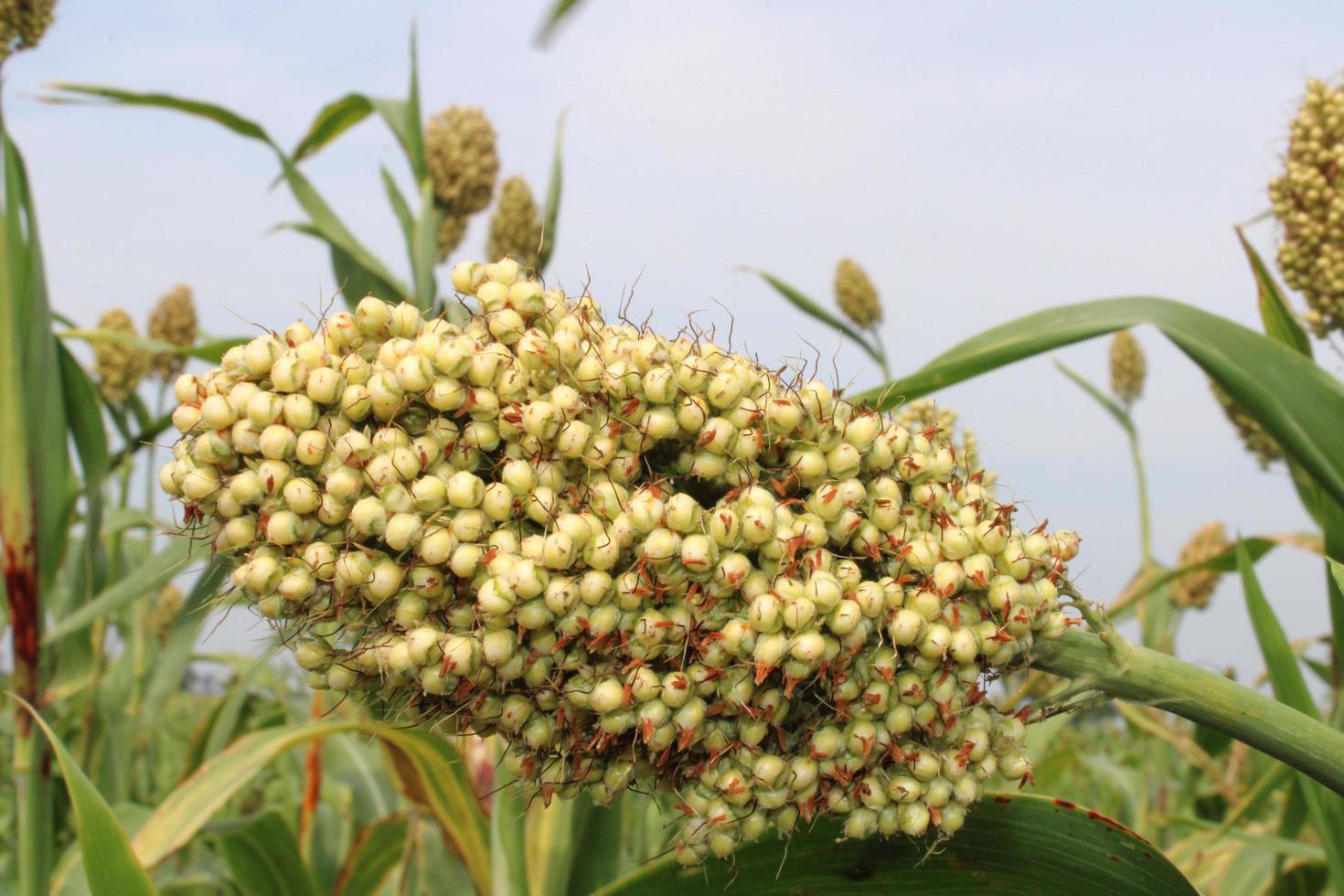
| Sorghum Flour:A mild-flavored flour that's slightly sweet and neutral, making it versatile for various recipes. It's high in fiber and antioxidants and works well in combination with other gluten-free flours. |
| Teff Flour:An Ethiopian grain flour that's extremely nutritious, high in protein, and rich in minerals. It has a slightly sweet, nutty flavor and is often used in flatbreads and pancakes. |
| Quinoa Flour:Made from ground quinoa seeds, this flour is high in protein and provides all nine essential amino acids. It has a slightly nutty, earthy flavor and works well in baked goods when combined with other gluten-free flours. |
Health Information
? Frequently Asked Questions
4 questions1 Who should avoid millet flour?
2 Is millet safe for celiacs?
3 Is millet flour anti inflammatory?
4 Is millet flour healthier than wheat flour?
Our Expert
Drs. Ilse van Asperen
Orthomolecular Therapist, Nutritional Coach & Professional Editor
Drs. Ilse van Asperen is a medical doctor specialising in orthomolecular therapy and nutritional coaching. With a background in public and clinical health research and management, she focuses on addressing the root causes of health issues through diet, gut health, and stress reduction. As a professional editor for Little Helpers, she reviews all gluten-free content to ensure accuracy, safety, and scientific credibility. Read more on Drs. Ilse van Asperen's own website
Our Sources
The information on this page is based on reputable health and nutrition organisations, ensuring accuracy and reliability for anyone following a gluten-free diet. For further details, see the sources below.