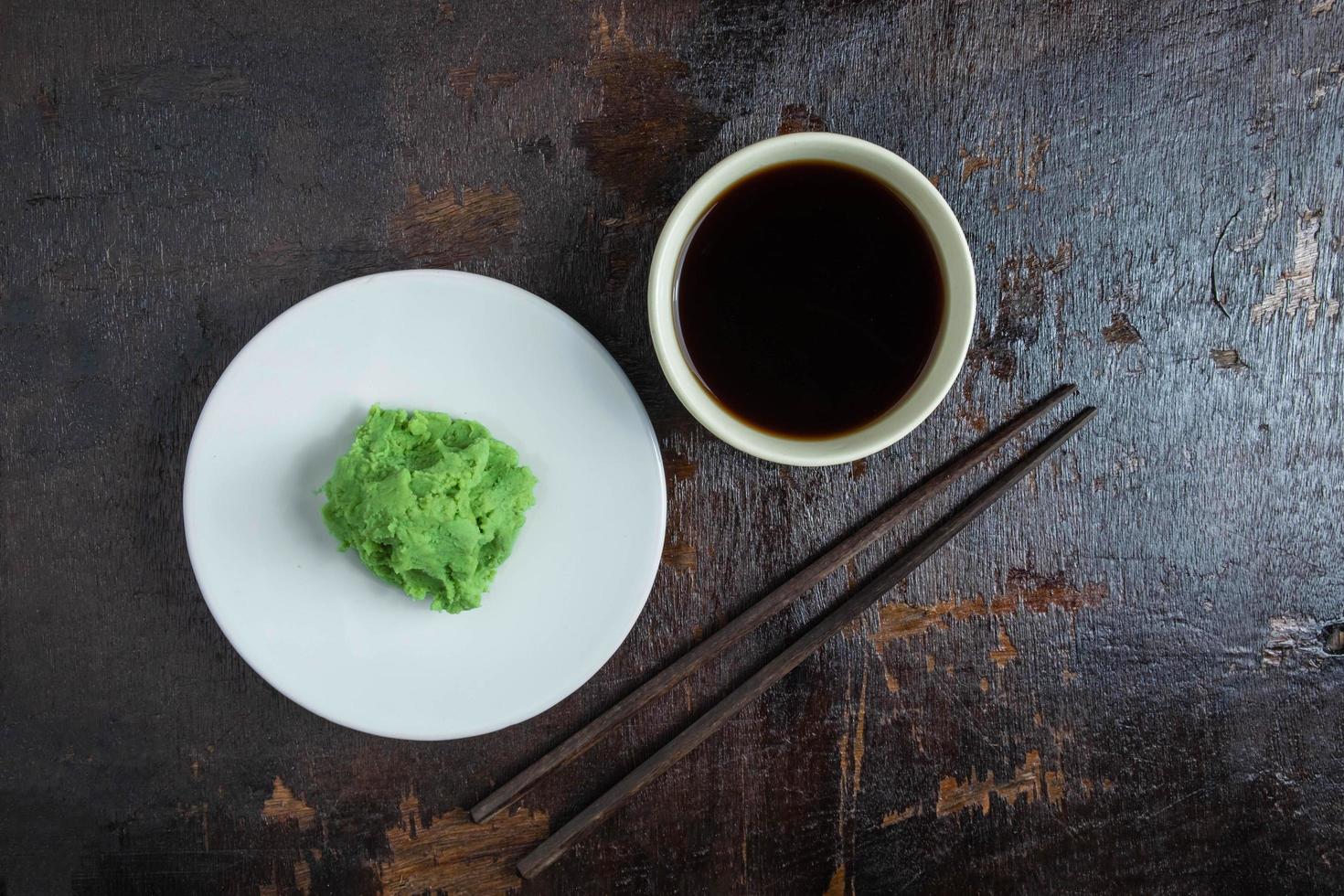
Is Tamari Soy Sauce Gluten Free?

Is Tamari Soy Sauce Gluten Free?

Tamari is traditionally made from fermented soybeans without wheat, making it naturally gluten-free. However, some brands may add wheat during production or have cross-contamination risks, so it’s important to check the label or look for certified gluten-free options to be certain.

TL;DR

Tamari is traditionally made from fermented soybeans without wheat, making it naturally gluten-free. However, some brands may add wheat during production or have cross-contamination risks, so it’s important to check the label or look for certified gluten-free options to be certain.

Quick Tips

1

Rich in protein: Contains essential amino acids for muscle growth and repair

2

Low in calories: A good option for those watching their calorie intake

3

Gluten-free: Suitable for people with celiac disease or gluten sensitivity

# In This Article

3 sections

Quick navigation to each section of this article:

1 Benefits of Tamari Soy Sauce

Rich in protein: Contains essential amino acids for muscle growth and repair

Jump
2 Who should avoid Tamari Soy Sauce

People with soy allergies: Tamari is made from soybeans and should be completely avoided by those with soy allergies.

Jump
3 Gluten Free Alternatives

Here are five gluten-free alternatives to Tamari Soy Sauce, along with a short description of each:

Jump

Benefits of Tamari Soy Sauce

Benefits of Tamari Soy Sauce
Rich in protein: Contains essential amino acids for muscle growth and repair
Low in calories: A good option for those watching their calorie intake
Gluten-free: Suitable for people with celiac disease or gluten sensitivity
Contains antioxidants: May help protect cells from damage caused by free radicals
Source of manganese: Important for bone health, wound healing, and metabolism
Provides vitamin B3 (niacin): Supports energy metabolism and nervous system function
Contains tryptophan: An amino acid that may help regulate mood and sleep
Fermented food: May support gut health and aid digestion
Lower in sodium: Typically contains less sodium than regular soy sauce
Contains isoflavones: Plant compounds that may have various health benefits, including potential cancer-fighting properties
May help reduce inflammation: Some studies suggest fermented soy products have anti-inflammatory effects
Adds umami flavor: Can enhance the taste of foods without adding significant calories
It’s important to note that tamari should still be consumed in moderation due to its sodium content, and individuals with soy allergies should avoid it.

Who should avoid Tamari Soy Sauce

Who should avoid Tamari Soy Sauce
People with soy allergies: Tamari is made from soybeans and should be completely avoided by those with soy allergies.
Individuals with gluten sensitivities or celiac disease: While tamari is often gluten-free, some varieties may contain small amounts of wheat. Always check the label to ensure it’s 100% gluten-free.
Those on a low-sodium diet: Tamari is high in sodium, so people monitoring their salt intake should use it sparingly or avoid it.
Individuals with hypertension (high blood pressure): Due to its high sodium content, tamari may not be suitable for those managing hypertension.
People with certain thyroid conditions: Soy products can interfere with thyroid hormone absorption, so those with thyroid issues should consult their doctor.
Individuals taking MAOIs (Monoamine Oxidase Inhibitors): Tamari contains tyramine, which can interact with these medications.
Those with gout or at risk for gout: Tamari is high in purines, which can exacerbate gout symptoms.
Infants and young children: Due to its high sodium content and potential allergenic properties, tamari is not recommended for very young children.Always consult with a healthcare professional if you have concerns about including tamari in your diet.
ENJOY YOUR FAVORITE FOODS FEARLESSLY!
Don’t let gluten hold you back. Take Anti-Gluten Pills before your meal and enjoy peace of mind.
SHOP ANTI-GLUTEN PILLS
Clinically proven · Up to 86% gluten reduction · Fast acting

Gluten Free Alternatives

Here are five gluten-free alternatives to Tamari Soy Sauce, along with a short description of each:

Gluten Free Alternatives
Coconut Aminos:A sauce made from fermented coconut sap and sea salt. It has a slightly sweet, salty flavor and is lower in sodium than traditional soy sauce. Coconut aminos are also soy-free, making them suitable for those with soy allergies.
Liquid Aminos:A liquid protein concentrate made from soybeans and purified water. It has a savory, salty taste similar to soy sauce but is typically less salty. Liquid aminos are gluten-free and contain essential amino acids.
Bragg's Liquid Aminos:A specific brand of liquid aminos that is gluten-free, non-GMO, and kosher. It's made from soybeans and purified water and has a flavor profile similar to soy sauce but with less sodium.
Fish Sauce:A liquid condiment made from fermented fish and salt. It has a strong, salty, umami flavor and is commonly used in Southeast Asian cuisine. While different from soy sauce, it can provide a similar depth of flavor in many dishes.
Miso Paste:A fermented soybean paste that comes in various types (white, yellow, red). When diluted with water, it can create a savory, salty liquid similar to soy sauce. Be sure to choose a gluten-free miso, as some varieties may contain grains.

Health Information

? Frequently Asked Questions

4 questions
1 Is gluten-free soy sauce the same as tamari?
Gluten-free soy sauce and tamari are similar but not exactly the same. Tamari is traditionally made from fermented soybeans without wheat, while regular soy sauce typically contains wheat. However, some soy sauces are now made gluten-free to cater to those with gluten sensitivities. Tamari generally has a richer, smoother flavor and thicker consistency compared to most gluten-free soy sauces.
2 Is Kikkoman tamari sauce gluten-free?
Kikkoman produces both gluten-containing and gluten-free tamari sauces. Their traditional tamari sauce contains wheat and is not gluten-free. However, Kikkoman does offer a specific gluten-free tamari sauce product. It's important to check the label carefully to ensure you're purchasing the gluten-free version if that's what you need.
3 Which soy sauce is gluten-free?
Most traditional soy sauces contain wheat and are not gluten-free. However, there are gluten-free soy sauce options available on the market. Tamari, a Japanese-style soy sauce, is typically made without wheat and is often gluten-free. It's important to always check the label to confirm that a specific brand or product is certified gluten-free.
4 What is tamari sauce made of?
Tamari sauce is primarily made from fermented soybeans. It is similar to soy sauce but typically contains little to no wheat. Tamari has a richer, smoother, and less salty flavor compared to regular soy sauce. It may also contain water, salt, and sometimes preservatives or alcohol as additional ingredients.
LIVE GLUTEN-FREE WITHOUT THE FUSS!
Introducing Tolerase® G, clinically proven to reduce up to 86% of gluten in under 10 minutes. Experience the freedom to eat what you love.
SHOP ANTI-GLUTEN PILLS
150mg pure Tolerase® G · Reduces gluten by 86% · Under 10 minutes

Our Expert

Drs. Ilse van Asperen, Orthomolecular Therapist and Nutritional Coach

Drs. Ilse van Asperen

Orthomolecular Therapist, Nutritional Coach & Professional Editor

Drs. Ilse van Asperen is a medical doctor specialising in orthomolecular therapy and nutritional coaching. With a background in public and clinical health research and management, she focuses on addressing the root causes of health issues through diet, gut health, and stress reduction. As a professional editor for Little Helpers, she reviews all gluten-free content to ensure accuracy, safety, and scientific credibility. Read more on Drs. Ilse van Asperen's own website

Our Sources

The information on this page is based on reputable health and nutrition organisations, ensuring accuracy and reliability for anyone following a gluten-free diet. For further details, see the sources below.
Sources

Similar Articles

Back to blog