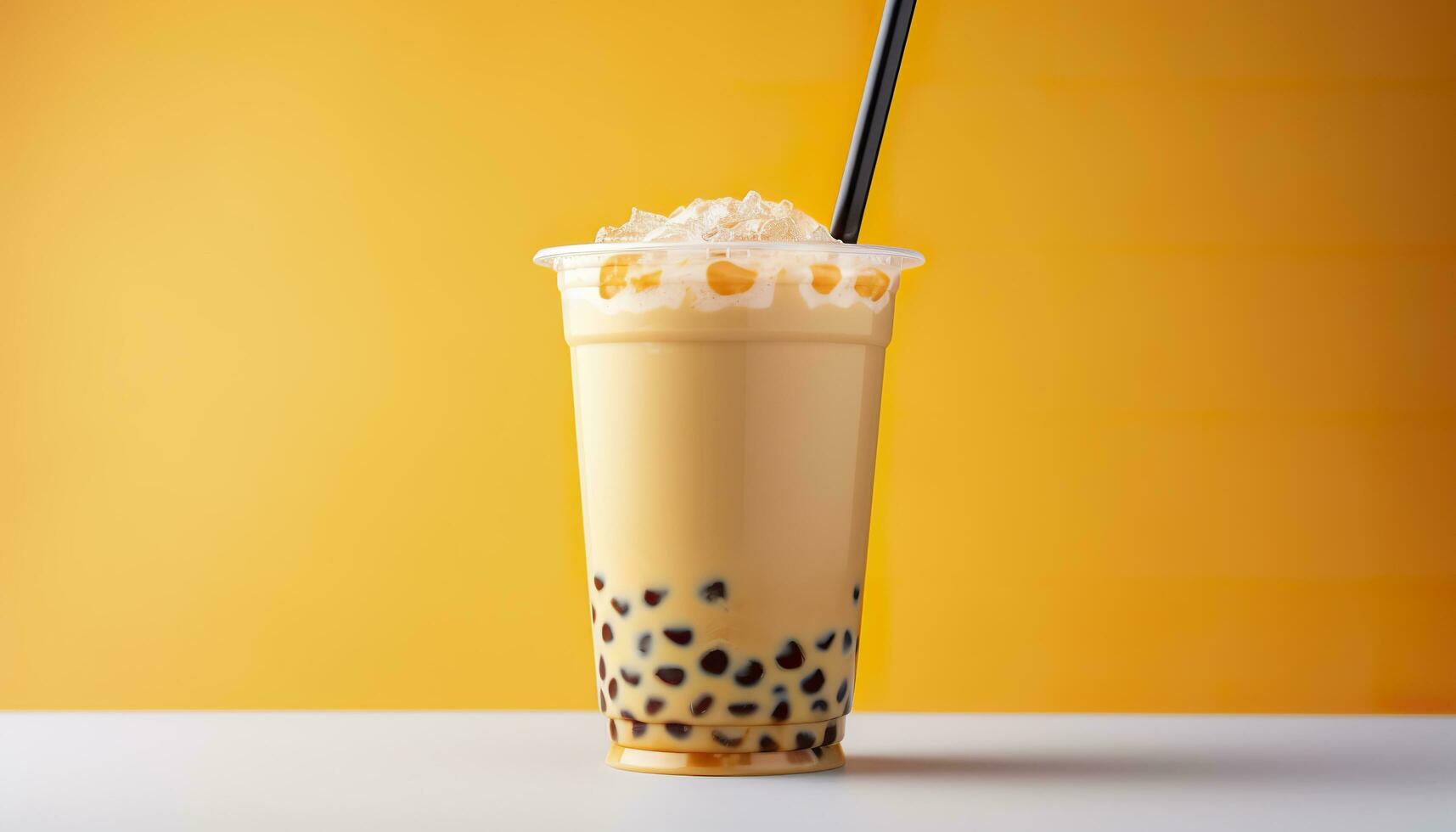
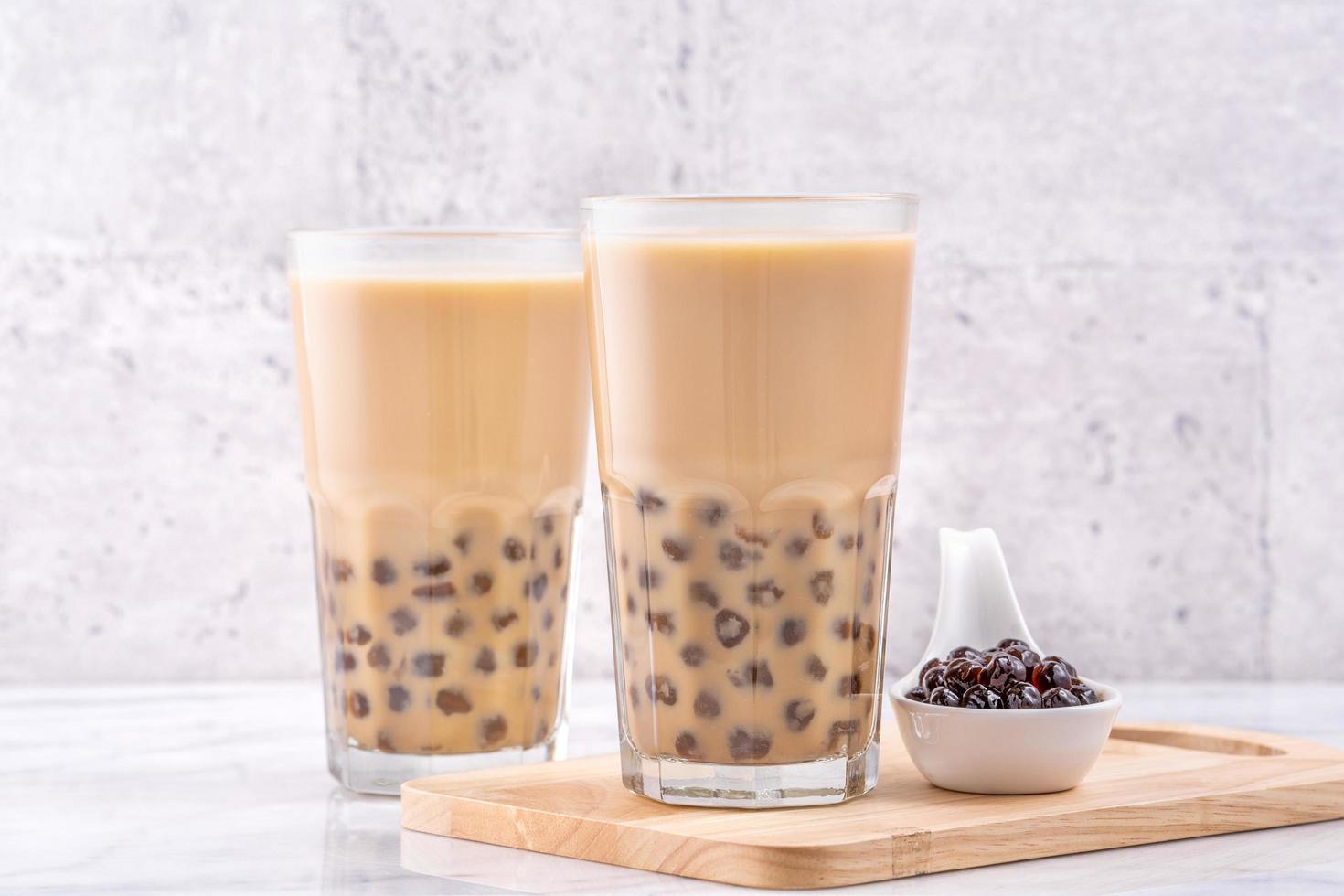
Is Boba Tea Gluten Free?

Is Boba Tea Gluten Free?

Generally, boba tea is gluten-free as its main ingredients (tea, milk, tapioca pearls) do not contain gluten. However, it’s important to check with the specific tea shop or brand, as some flavoring syrups or additives may contain gluten, and there’s always a risk of cross-contamination in preparation areas.

TL;DR

Generally, boba tea is gluten-free as its main ingredients (tea, milk, tapioca pearls) do not contain gluten. However, it’s important to check with the specific tea shop or brand, as some flavoring syrups or additives may contain gluten, and there’s always a risk of cross-contamination in preparation areas.

Quick Tips

1

Hydration: The tea base provides fluids, which can contribute to daily hydration needs.

2

Antioxidants: If made with green or black tea, it can provide antioxidants that may help protect cells from damage.

3

Energy boost: The caffeine in tea can provide a mild energy boost and improve mental alertness.

# In This Article

3 sections

Quick navigation to each section of this article:

1 Benefits of Boba Tea

Hydration: The tea base provides fluids, which can contribute to daily hydration needs.

Jump
2 Who should avoid Boba Tea

People with diabetes or those monitoring their sugar intake, as boba tea is often high in sugar

Jump
3 Related Gluten Free Products

Here are five similar gluten-free options to Boba Tea, along with short descriptions:

Jump

Benefits of Boba Tea

Benefits of Boba Tea
Hydration: The tea base provides fluids, which can contribute to daily hydration needs.
Antioxidants: If made with green or black tea, it can provide antioxidants that may help protect cells from damage.
Energy boost: The caffeine in tea can provide a mild energy boost and improve mental alertness.
Calcium: If made with milk or non-dairy milk alternatives fortified with calcium, it can contribute to calcium intake.
Tapioca pearls: The tapioca balls are a source of carbohydrates, providing quick energy.
Potential probiotic benefits: Some shops use probiotic-rich yogurt as a base, which can support gut health.
Customizable: Can be made with healthier alternatives like fresh fruit, lower sugar options, or plant-based milks to improve nutritional value.It’s important to note that many boba tea drinks are high in sugar and calories, which can outweigh these potential benefits. Moderation is key when enjoying boba tea as part of a balanced diet.

Who should avoid Boba Tea

Who should avoid Boba Tea
People with diabetes or those monitoring their sugar intake, as boba tea is often high in sugar
Individuals with tapioca or cassava allergies, as the boba pearls are typically made from tapioca starch
Those with celiac disease or gluten sensitivity, as some boba teas may contain gluten-based ingredients
People with digestive issues or sensitive stomachs, as the tapioca pearls can be difficult to digest
Young children, due to the choking hazard posed by the large tapioca pearls
Individuals on a low-carb or ketogenic diet, as boba tea is high in carbohydrates
Those with lactose intolerance, if ordering milk-based boba teas (unless non-dairy alternatives are available)
People with caffeine sensitivity, especially if ordering tea-based boba drinks
Individuals trying to lose weight or maintain a calorie-controlled diet, as boba tea can be high in calories
Pregnant women, who should consult their healthcare provider before consuming boba tea regularly
People with dental issues or braces, as the chewy tapioca pearls may pose a riskRemember that moderation is key, and individuals with specific health concerns should consult their healthcare provider for personalized advice.
ENJOY YOUR FAVORITE FOODS FEARLESSLY!
Don’t let gluten hold you back. Take Anti-Gluten Pills before your meal and enjoy peace of mind.
SHOP ANTI-GLUTEN PILLS
Clinically proven · Up to 86% gluten reduction · Fast acting

Here are five similar gluten-free options to Boba Tea, along with short descriptions:

Related Gluten Free Products
Fruit Smoothies: Blended beverages made with fresh or frozen fruits, ice, and sometimes yogurt or juice. They offer a refreshing, nutritious alternative with various flavor combinations.
Chia Seed Drinks: Beverages made by soaking chia seeds in water or juice, creating a gel-like consistency. They're often flavored with fruits or sweeteners and provide omega-3 fatty acids and fiber.
Coconut Water: A natural, hydrating drink extracted from young coconuts. It's low in calories, rich in electrolytes, and can be enjoyed plain or flavored with fruit juices.
Kombucha: A fermented tea drink that's slightly effervescent and often flavored with fruits or herbs. It contains probiotics and is known for potential health benefits.
Agua Fresca: A Mexican-inspired drink made by blending water with fruits, flowers, or seeds. It's typically lightly sweetened and served chilled, offering a refreshing and fruity alternative.These options provide a variety of textures, flavors, and potential health benefits while remaining gluten-free like Boba Tea.

Health Information

? Frequently Asked Questions

4 questions
1 Is all boba tea gluten-free?
Not all boba tea is gluten-free. While the tapioca pearls used in boba tea are typically gluten-free, other ingredients or flavorings added to the drink may contain gluten. Some boba shops may use ingredients that contain gluten in their tea bases or toppings. It's important for people with gluten sensitivities or celiac disease to check with the specific boba shop or brand about their ingredients and preparation methods.
2 Is there gluten in tapioca pearls?
Tapioca pearls are naturally gluten-free. They are made from cassava root starch, which does not contain gluten. However, it's always important to check product labels or with manufacturers to ensure no gluten-containing ingredients have been added during processing. For those with celiac disease or gluten sensitivity, it's best to choose tapioca pearls that are specifically labeled as gluten-free to avoid any risk of cross-contamination.
3 Is tapioca gluten-free for celiacs?
Yes, tapioca is gluten-free and safe for celiacs to consume. It is made from cassava root, which does not contain gluten. Tapioca can be a good alternative ingredient for those following a gluten-free diet. However, it's always important to check product labels to ensure no gluten-containing ingredients have been added during processing.
4 Does boba have flour?
Boba itself does not typically contain flour. Boba, also known as tapioca pearls, are made primarily from tapioca starch, which comes from cassava root. However, some boba drinks may contain ingredients that have flour, such as certain toppings or flavored powders. It's always best to check the specific ingredients of a boba drink if you have dietary concerns about flour.
LIVE GLUTEN-FREE WITHOUT THE FUSS!
Introducing Tolerase® G, clinically proven to reduce up to 86% of gluten in under 10 minutes. Experience the freedom to eat what you love.
SHOP ANTI-GLUTEN PILLS
150mg pure Tolerase® G · Reduces gluten by 86% · Under 10 minutes

Our Expert

Drs. Ilse van Asperen, Orthomolecular Therapist and Nutritional Coach

Drs. Ilse van Asperen

Orthomolecular Therapist, Nutritional Coach & Professional Editor

Drs. Ilse van Asperen is a medical doctor specialising in orthomolecular therapy and nutritional coaching. With a background in public and clinical health research and management, she focuses on addressing the root causes of health issues through diet, gut health, and stress reduction. As a professional editor for Little Helpers, she reviews all gluten-free content to ensure accuracy, safety, and scientific credibility. Read more on Drs. Ilse van Asperen's own website

Our Sources

The information on this page is based on reputable health and nutrition organisations, ensuring accuracy and reliability for anyone following a gluten-free diet. For further details, see the sources below.
Sources

Similar Articles

Back to blog