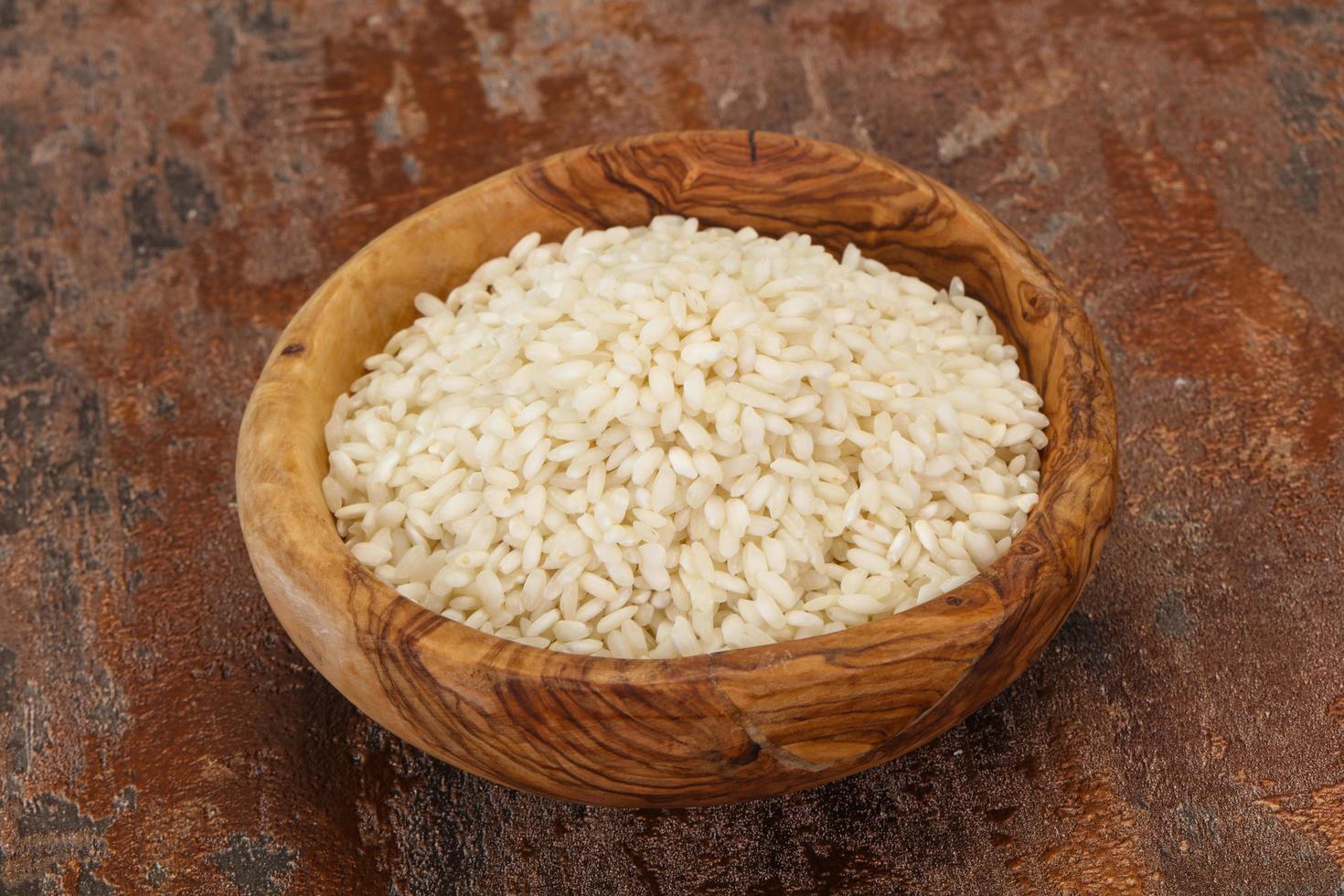
Is Enriched Rice Gluten Free?

Is Enriched Rice Gluten Free?

Rice itself is naturally gluten-free. However, “enriched rice” may potentially contain gluten if the enrichment process involves adding ingredients that contain gluten, so it’s important to check the specific product’s ingredients list or look for a certified gluten-free label to be certain.

TL;DR

Rice itself is naturally gluten-free. However, “enriched rice” may potentially contain gluten if the enrichment process involves adding ingredients that contain gluten, so it’s important to check the specific product’s ingredients list or look for a certified gluten-free label to be certain.

Quick Tips

1

Improved B-vitamin intake: Enriched rice typically contains added thiamin (B1), riboflavin (B2), niacin (B3), and folic acid (B9).

2

Better energy metabolism: B-vitamins help convert food into energy more efficiently.

3

Reduced risk of birth defects: The added folic acid can help prevent neural tube defects in developing fetuses.

# In This Article

3 sections

Quick navigation to each section of this article:

1 Benefits of Enriched Rice

Improved B-vitamin intake: Enriched rice typically contains added thiamin (B1), riboflavin (B2), niacin (B3), and folic acid (B9).

Jump
2 Who should avoid Enriched Rice

People with celiac disease or gluten sensitivity (if the rice is enriched with barley or wheat-based nutrients)

Jump
3 Gluten Free Alternatives

Here are five gluten-free alternatives to Enriched Rice, along with short descriptions for each:

Jump

Benefits of Enriched Rice

Benefits of Enriched Rice
Improved B-vitamin intake: Enriched rice typically contains added thiamin (B1), riboflavin (B2), niacin (B3), and folic acid (B9).
Better energy metabolism: B-vitamins help convert food into energy more efficiently.
Reduced risk of birth defects: The added folic acid can help prevent neural tube defects in developing fetuses.
Improved cognitive function: B-vitamins, especially B12 (sometimes added), support brain health and cognitive function.
Enhanced immune system: Some enriched rice varieties include added iron, which supports a healthy immune system.
Reduced risk of anemia: The added iron can help prevent iron-deficiency anemia.
Improved nervous system health: B-vitamins contribute to maintaining a healthy nervous system.
Better skin health: Some B-vitamins, like niacin, contribute to healthy skin.
Increased fiber intake: Some enriched rice products may include added fiber, which aids digestion and promotes feelings of fullness.
Potential reduction in heart disease risk: Folic acid may help lower homocysteine levels, potentially reducing the risk of heart disease.
Enhanced cellular repair and growth: B-vitamins play a crucial role in cell metabolism and DNA synthesis.Remember that while enriched rice offers these benefits, it’s still important to maintain a balanced diet with a variety of whole foods for optimal nutrition.

Who should avoid Enriched Rice

Who should avoid Enriched Rice
People with celiac disease or gluten sensitivity (if the rice is enriched with barley or wheat-based nutrients)
Individuals with diabetes or prediabetes (due to its high glycemic index)
Those on a low-carb diet
People trying to lose weight (in large quantities)
Individuals with certain metabolic disorders that require limiting specific nutrients
Those with a history of arsenic-related health issues (as rice can contain trace amounts of arsenic)
People with certain kidney problems who need to limit phosphorus intake
Individuals following a whole foods or unprocessed diet
Those with specific nutrient sensitivities to the added vitamins and minerals
People on medication that interacts with certain added nutrients (always consult with a healthcare provider)
Individuals trying to avoid synthetic vitamins and minerals
Those with allergies to any of the added nutrientsRemember, it’s always best to consult with a healthcare professional or registered dietitian for personalized advice based on individual health conditions and dietary needs.
ENJOY YOUR FAVORITE FOODS FEARLESSLY!
Don’t let gluten hold you back. Take Anti-Gluten Pills before your meal and enjoy peace of mind.
SHOP ANTI-GLUTEN PILLS
Clinically proven · Up to 86% gluten reduction · Fast acting

Gluten Free Alternatives

Here are five gluten-free alternatives to Enriched Rice, along with short descriptions for each:

Gluten Free Alternatives
Quinoa- A nutrient-dense seed high in protein, fiber, and essential amino acids- Has a slightly nutty flavor and fluffy texture when cooked- Versatile for use in salads, side dishes, and as a rice substitute in many recipes
Buckwheat- Despite its name, it's not related to wheat and is naturally gluten-free- Rich in antioxidants and minerals like manganese, copper, and magnesium- Has a distinctive earthy flavor and can be used in porridge, noodles, or as a rice alternative
Cauliflower Rice- Made by pulsing raw cauliflower florets in a food processor until rice-sized- Low in calories and carbohydrates, high in fiber and vitamins- Mild flavor that easily absorbs seasonings, making it versatile for various dishes
Millet- A small, round grain that's naturally gluten-free and rich in antioxidants- Contains essential minerals like magnesium, phosphorus, and iron- Has a mild, slightly nutty flavor and can be prepared similarly to rice or couscous
Amaranth- A tiny, protein-rich seed with a complete amino acid profile- High in fiber, iron, and calcium- Has a slightly peppery taste and can be cooked as a porridge, popped like popcorn, or used as a rice substitute in various dishes

Health Information

? Frequently Asked Questions

4 questions
1 Does enriched white rice have gluten?
Enriched white rice does not contain gluten. Rice is naturally gluten-free, and the enrichment process does not add gluten. Gluten is a protein found in wheat, barley, and rye, but not in rice. People with celiac disease or gluten sensitivity can safely consume enriched white rice as part of their diet.
2 Which rice is not gluten-free?
Most rice varieties are naturally gluten-free. However, some types of flavored or processed rice may contain gluten additives. Cross-contamination during processing can also introduce gluten to otherwise gluten-free rice. Always check labels carefully if you need to avoid gluten completely.
3 What is enriched rice made of?
Enriched rice is regular white rice that has been fortified with additional nutrients. These nutrients typically include iron, niacin, thiamin, and folic acid. The enrichment process involves coating the rice grains with a micronutrient powder after milling. This fortification aims to replace some of the nutrients lost during the milling and polishing process of white rice production.
4 How do you know if rice is gluten-free?
Rice is naturally gluten-free in its pure form. However, cross-contamination can occur during processing or packaging. To ensure rice is gluten-free, look for products specifically labeled as such. Alternatively, choose plain, unprocessed rice varieties and thoroughly wash them before cooking.
LIVE GLUTEN-FREE WITHOUT THE FUSS!
Introducing Tolerase® G, clinically proven to reduce up to 86% of gluten in under 10 minutes. Experience the freedom to eat what you love.
SHOP ANTI-GLUTEN PILLS
150mg pure Tolerase® G · Reduces gluten by 86% · Under 10 minutes

Our Expert

Drs. Ilse van Asperen, Orthomolecular Therapist and Nutritional Coach

Drs. Ilse van Asperen

Orthomolecular Therapist, Nutritional Coach & Professional Editor

Drs. Ilse van Asperen is a medical doctor specialising in orthomolecular therapy and nutritional coaching. With a background in public and clinical health research and management, she focuses on addressing the root causes of health issues through diet, gut health, and stress reduction. As a professional editor for Little Helpers, she reviews all gluten-free content to ensure accuracy, safety, and scientific credibility. Read more on Drs. Ilse van Asperen's own website

Our Sources

The information on this page is based on reputable health and nutrition organisations, ensuring accuracy and reliability for anyone following a gluten-free diet. For further details, see the sources below.
Sources

Similar Articles

Back to blog