Share
TL;DR
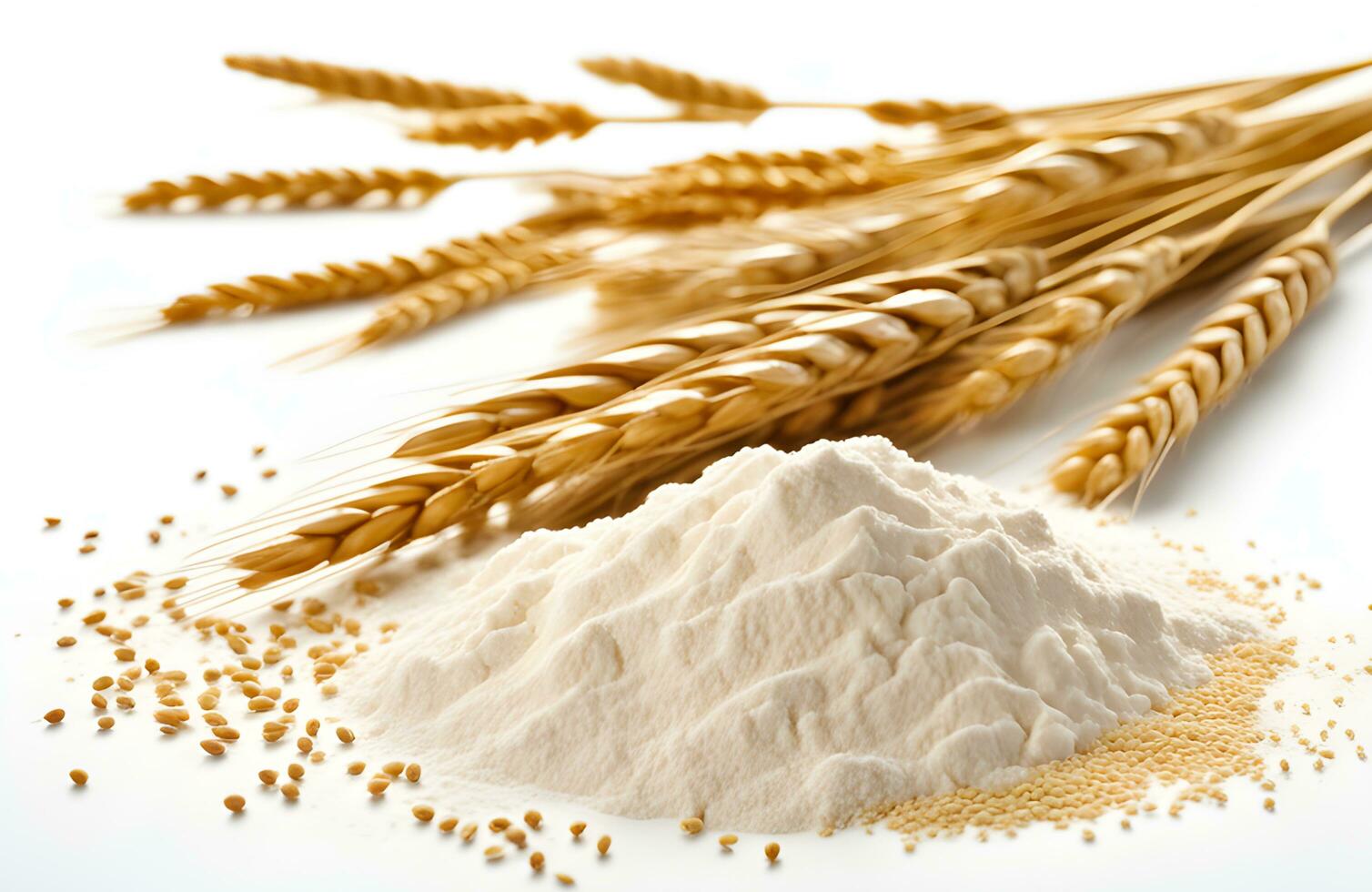
No, enriched wheat flour is not gluten-free. Wheat flour naturally contains gluten, and the enrichment process does not remove the gluten proteins.
Quick Tips
1Increased iron content: Helps prevent anemia and supports overall blood health
2Added folic acid: Important for pregnant women to prevent birth defects and supports cell growth
3Enhanced B vitamins (thiamin, riboflavin, niacin): Aids in energy metabolism and nervous system function
# In This Article
3 sectionsQuick navigation to each section of this article:
1 Benefits of Enriched Wheat Flour
Increased iron content: Helps prevent anemia and supports overall blood health
Jump2 Who should avoid Enriched Wheat Flour
People with celiac disease
Jump3 Gluten Free Alternatives
Here are five gluten-free alternatives to Enriched Wheat Flour, along with short descriptions:
JumpBenefits of Enriched Wheat Flour
| Benefits of Enriched Wheat Flour |
|---|
| Increased iron content: Helps prevent anemia and supports overall blood health |
| Added folic acid: Important for pregnant women to prevent birth defects and supports cell growth |
| Enhanced B vitamins (thiamin, riboflavin, niacin): Aids in energy metabolism and nervous system function |
| Improved calcium content: Supports bone health and muscle function |
| Better vitamin D levels: Helps with calcium absorption and bone strength |
| Increased fiber (if whole wheat): Promotes digestive health and helps maintain healthy blood sugar levels |
| Source of carbohydrates: Provides energy for daily activities |
| May contain added vitamin E: Acts as an antioxidant and supports immune function |
| Potential for reduced risk of neural tube defects in newborns due to folic acid fortification |
| Can help meet daily recommended intake of certain vitamins and minerals |
| May contribute to improved overall nutritional status in populations with limited access to diverse food sourcesIt’s important to note that while enriched wheat flour offers these benefits, whole grain flours are generally considered more nutritious as they retain more of their natural nutrients and fiber. |
Who should avoid Enriched Wheat Flour
| Who should avoid Enriched Wheat Flour |
|---|
| People with celiac disease |
| Individuals with non-celiac gluten sensitivity |
| Those with wheat allergies |
| People following a gluten-free diet for medical reasons |
| Individuals with certain autoimmune disorders who may benefit from a gluten-free diet |
| Those with irritable bowel syndrome (IBS) who find that wheat products trigger symptoms |
| People following specific low-carb diets, such as the ketogenic diet |
| Individuals trying to reduce their intake of refined carbohydrates for health reasons |
| Those with diabetes who are closely monitoring their carbohydrate intake |
| People with certain nutrient absorption issues, who may benefit from whole grain alternatives |
| Individuals following a paleo or primal diet |
| Those with specific religious or cultural dietary restrictions that exclude wheat products |
| People aiming to reduce their consumption of processed foodsIt’s important to note that for many of these groups, the avoidance of enriched wheat flour is part of a broader dietary strategy, and individuals should consult with a healthcare professional or registered dietitian before making significant changes to their diet. |
Gluten Free Alternatives
Here are five gluten-free alternatives to Enriched Wheat Flour, along with short descriptions:
| Gluten Free Alternatives |
|---|
| Almond Flour:Made from ground blanched almonds, this flour is high in protein and healthy fats. It has a slightly nutty flavor and works well in baked goods, providing a moist texture. |
| Rice Flour:Milled from ground rice grains, this flour is available in both white and brown varieties. It's versatile and often used in gluten-free baking mixes, though it can result in a slightly gritty texture if used alone. |
| Coconut Flour:Produced from dried, ground coconut meat, this flour is high in fiber and low in carbohydrates. It's very absorbent and requires more liquid in recipes, often resulting in dense, moist baked goods. |
| Buckwheat Flour:Despite its name, buckwheat is not related to wheat and is gluten-free. It has a strong, nutty flavor and is rich in nutrients. It's commonly used in pancakes and certain types of noodles. |
| Chickpea Flour:Also known as garbanzo bean flour, this alternative is high in protein and fiber. It has a slightly beany flavor and is often used in savory dishes, flatbreads, and as a binder in recipes. |
Health Information
? Frequently Asked Questions
4 questions1 What is the downside of Ensure?
2 Is Ensure gluten and Dairy free?
3 Is Boost and Ensure gluten-free?
4 Is there a gluten-free boost?
Our Expert
Drs. Ilse van Asperen
Orthomolecular Therapist, Nutritional Coach & Professional Editor
Drs. Ilse van Asperen is a medical doctor specialising in orthomolecular therapy and nutritional coaching. With a background in public and clinical health research and management, she focuses on addressing the root causes of health issues through diet, gut health, and stress reduction. As a professional editor for Little Helpers, she reviews all gluten-free content to ensure accuracy, safety, and scientific credibility. Read more on Drs. Ilse van Asperen's own website
Our Sources
The information on this page is based on reputable health and nutrition organisations, ensuring accuracy and reliability for anyone following a gluten-free diet. For further details, see the sources below.