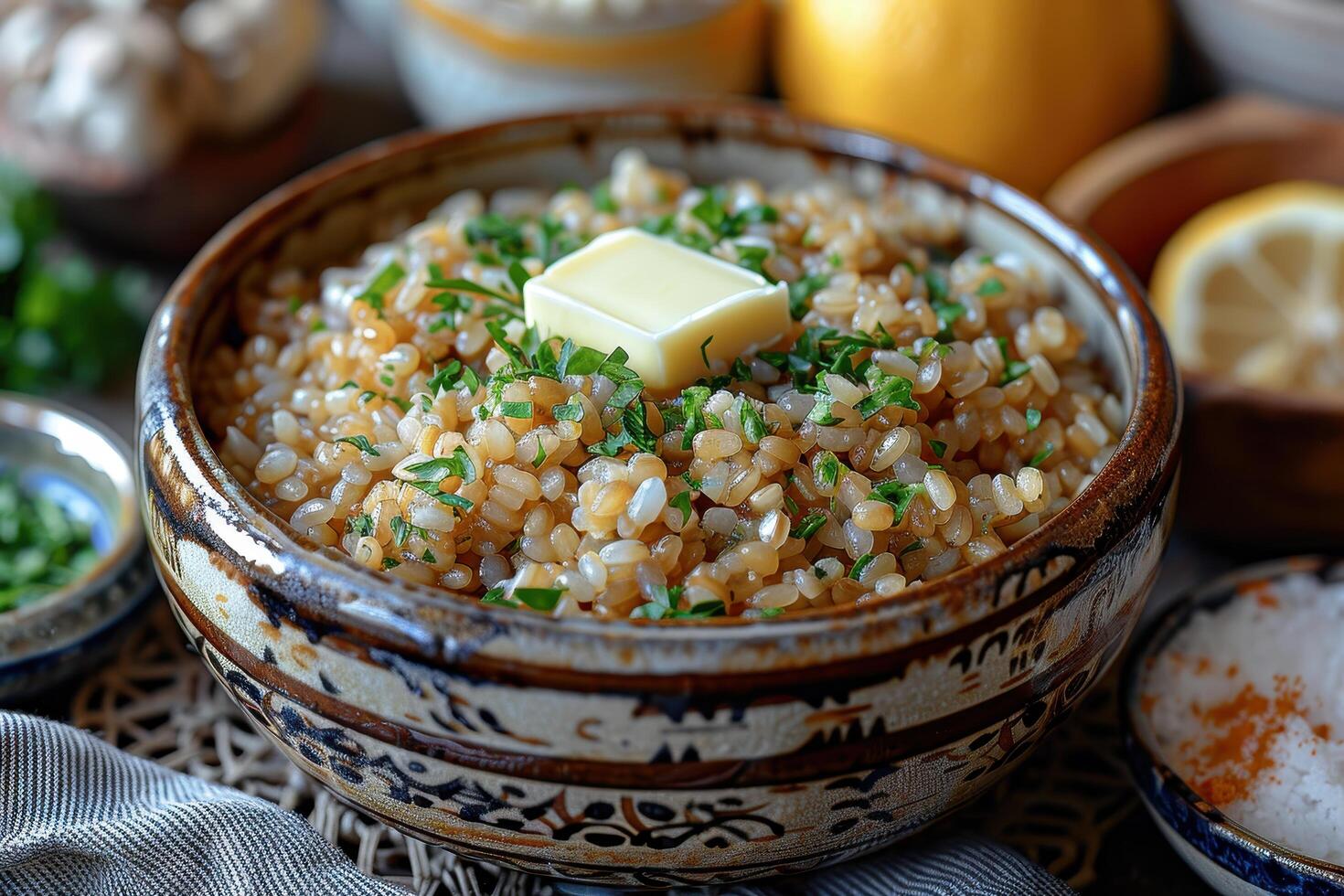
Is Wheat Flour Gluten Free?

Is Wheat Flour Gluten Free?

Wheat flour is not gluten-free, as wheat naturally contains gluten proteins. Individuals with celiac disease or gluten sensitivity should avoid wheat flour and opt for gluten-free alternatives such as rice flour, almond flour, or coconut flour.

TL;DR

Wheat flour is not gluten-free, as wheat naturally contains gluten proteins. Individuals with celiac disease or gluten sensitivity should avoid wheat flour and opt for gluten-free alternatives such as rice flour, almond flour, or coconut flour.

Quick Tips

1

Rich in fiber, which aids digestion and promotes gut health

2

Good source of complex carbohydrates for sustained energy

3

Contains essential B vitamins, including thiamin, riboflavin, niacin, and folate

# In This Article

3 sections

Quick navigation to each section of this article:

1 Benefits of Wheat Flour

Rich in fiber, which aids digestion and promotes gut health

Jump
2 Who should avoid Wheat Flour

People with celiac disease

Jump
3 Gluten Free Alternatives

Here are five gluten-free alternatives to wheat flour, along with brief descriptions:

Jump

Benefits of Wheat Flour

Benefits of Wheat Flour
Rich in fiber, which aids digestion and promotes gut health
Good source of complex carbohydrates for sustained energy
Contains essential B vitamins, including thiamin, riboflavin, niacin, and folate
Provides minerals such as iron, magnesium, and zinc
Contains antioxidants, particularly in whole wheat flour
May help in weight management due to its fiber content and ability to promote satiety
Can contribute to heart health by potentially lowering cholesterol levels
Provides protein, which is essential for muscle building and repair
Contains selenium, which supports thyroid function and immune system
May help regulate blood sugar levels due to its lower glycemic index compared to refined flours
Whole wheat flour contains phytochemicals that may have anti-inflammatory properties
Can contribute to overall nutrient intake as part of a balanced diet
May reduce the risk of certain chronic diseases when consumed as part of a healthy lifestyleNote that these benefits are most pronounced in whole wheat flour, as refined wheat flour loses some nutrients during processing. Additionally, individuals with gluten sensitivities or celiac disease should avoid wheat flour.

Who should avoid Wheat Flour

Who should avoid Wheat Flour
People with celiac disease
Individuals with non-celiac gluten sensitivity
Those with wheat allergy
People following a gluten-free diet for other health reasons
Individuals with irritable bowel syndrome (IBS) who are sensitive to wheat
Those with wheat intolerance
People with dermatitis herpetiformis (a skin condition associated with gluten sensitivity)
Individuals following a low FODMAP diet
Those with certain autoimmune disorders who find wheat exacerbates their symptoms
People with gluten ataxia (a neurological condition triggered by gluten)
Individuals trying to manage inflammation through diet (as wheat can be pro-inflammatory for some)
Those following specific diets that exclude grains or carbohydrates (e.g., paleo, keto)Remember, it’s always best to consult with a healthcare professional or registered dietitian before making significant changes to your diet.
ENJOY YOUR FAVORITE FOODS FEARLESSLY!
Don’t let gluten hold you back. Take Anti-Gluten Pills before your meal and enjoy peace of mind.
SHOP ANTI-GLUTEN PILLS
Clinically proven · Up to 86% gluten reduction · Fast acting

Gluten Free Alternatives

Here are five gluten-free alternatives to wheat flour, along with brief descriptions:

Gluten Free Alternatives
Almond Flour:Made from ground blanched almonds, this flour is high in protein and healthy fats. It has a slightly sweet, nutty flavor and works well in baked goods, giving them a moist texture.
Rice Flour:Available in both white and brown varieties, rice flour is mild in flavor and versatile. It's often used in gluten-free baking mixes and works well for thickening sauces and making crispy coatings.
Coconut Flour:Produced from dried, ground coconut meat, this flour is high in fiber and protein. It has a slightly sweet taste and absorbs a lot of liquid, making it ideal for dense, moist baked goods.
Buckwheat Flour:Despite its name, buckwheat is not related to wheat and is gluten-free. It has a strong, nutty flavor and is rich in nutrients. It's commonly used in pancakes, noodles, and traditional dishes like Russian blini.
Chickpea Flour:Also known as garbanzo bean flour, this alternative is high in protein and fiber. It has a slightly beany flavor and is often used in Mediterranean and Middle Eastern cuisines for flatbreads, fritters, and as a batter for fried foods.

Health Information

? Frequently Asked Questions

4 questions
1 Does all wheat flour have gluten?
Yes, all wheat flour contains gluten. Gluten is a protein naturally present in wheat grains. Even whole wheat flour and other wheat-derived flours contain gluten. For those with gluten sensitivities or celiac disease, alternative gluten-free flours must be used.
2 What flour has no gluten?
Rice flour is naturally gluten-free. Almond flour, made from ground almonds, is another gluten-free option. Coconut flour, derived from dried coconut meat, is also free from gluten. Corn flour, produced by grinding dried corn kernels, is a popular gluten-free alternative as well.
3 Can celiacs eat wheat flour?
No, celiacs cannot eat wheat flour. Celiac disease is an autoimmune disorder triggered by gluten, a protein found in wheat, barley, and rye. Consuming wheat flour can cause serious damage to the small intestine in people with celiac disease. Celiacs must follow a strict gluten-free diet, avoiding all products containing wheat flour and other gluten-containing grains.
4 Is 100% wheat gluten free?
No, 100% wheat is not gluten-free. Wheat naturally contains gluten, which is a protein found in wheat, barley, and rye. Gluten is what gives bread its chewy texture and helps it rise during baking. For those with celiac disease or gluten sensitivity, wheat and other gluten-containing grains must be completely avoided.
LIVE GLUTEN-FREE WITHOUT THE FUSS!
Introducing Tolerase® G, clinically proven to reduce up to 86% of gluten in under 10 minutes. Experience the freedom to eat what you love.
SHOP ANTI-GLUTEN PILLS
150mg pure Tolerase® G · Reduces gluten by 86% · Under 10 minutes

Our Expert

Drs. Ilse van Asperen, Orthomolecular Therapist and Nutritional Coach

Drs. Ilse van Asperen

Orthomolecular Therapist, Nutritional Coach & Professional Editor

Drs. Ilse van Asperen is a medical doctor specialising in orthomolecular therapy and nutritional coaching. With a background in public and clinical health research and management, she focuses on addressing the root causes of health issues through diet, gut health, and stress reduction. As a professional editor for Little Helpers, she reviews all gluten-free content to ensure accuracy, safety, and scientific credibility. Read more on Drs. Ilse van Asperen's own website

Our Sources

The information on this page is based on reputable health and nutrition organisations, ensuring accuracy and reliability for anyone following a gluten-free diet. For further details, see the sources below.
Sources

Similar Articles

Back to blog