Share
TL;DR
Generally, flour is not gluten-free as most common types of flour, such as wheat flour, contain gluten. However, there are gluten-free flour alternatives available, including those made from rice, almond, coconut, or other gluten-free grains and nuts.
Quick Tips
1Provides carbohydrates for energy
2Can be a source of dietary fiber, especially whole grain flours
3Contains essential vitamins and minerals
# In This Article
3 sectionsQuick navigation to each section of this article:
Benefits of Flour
| Benefits of Flour |
|---|
| Provides carbohydrates for energy |
| Can be a source of dietary fiber, especially whole grain flours |
| Contains essential vitamins and minerals |
| Offers protein, particularly in wheat flour |
| May help with weight management when consumed as part of a balanced diet |
| Whole grain flours may help reduce the risk of heart disease |
| Can contribute to digestive health, especially when high in fiber |
| Some flours (like almond or coconut) are gluten-free alternatives for those with celiac disease or gluten sensitivity |
| Fortified flours can provide additional nutrients like folic acid and iron |
| May help stabilize blood sugar levels, particularly when using low glycemic index flours |
| Can be a source of antioxidants, especially in whole grain flours |
| Some specialty flours (like chickpea flour) can provide additional protein and nutrientsIt’s important to note that the specific health benefits can vary greatly depending on the type of flour (e.g., whole wheat, white, almond, etc.) and how it’s consumed as part of an overall diet. |
Who should avoid Flour
| Who should avoid Flour |
|---|
| People with celiac disease |
| Individuals with non-celiac gluten sensitivity |
| Those with wheat allergies |
| People following a gluten-free diet for other medical reasons |
| Individuals with certain autoimmune disorders who may benefit from a gluten-free diet |
| Those with irritable bowel syndrome (IBS) who find that wheat triggers symptoms |
| People following specific low-carb diets, such as the ketogenic diet |
| Individuals with diabetes who are closely monitoring their carbohydrate intake |
| Those with wheat intolerance or sensitivity |
| People with dermatitis herpetiformis, a skin condition associated with gluten sensitivity |
| Individuals following a paleo diet or other grain-free eating plans |
| Those with certain neurological conditions who may benefit from a gluten-free dietRemember that not all flours contain gluten or wheat, so some individuals may be able to consume alternative flours like almond, coconut, or rice flour. |
Gluten Free Alternatives
Here are five gluten-free alternatives to flour, along with short descriptions for each:
| Gluten Free Alternatives |
|---|
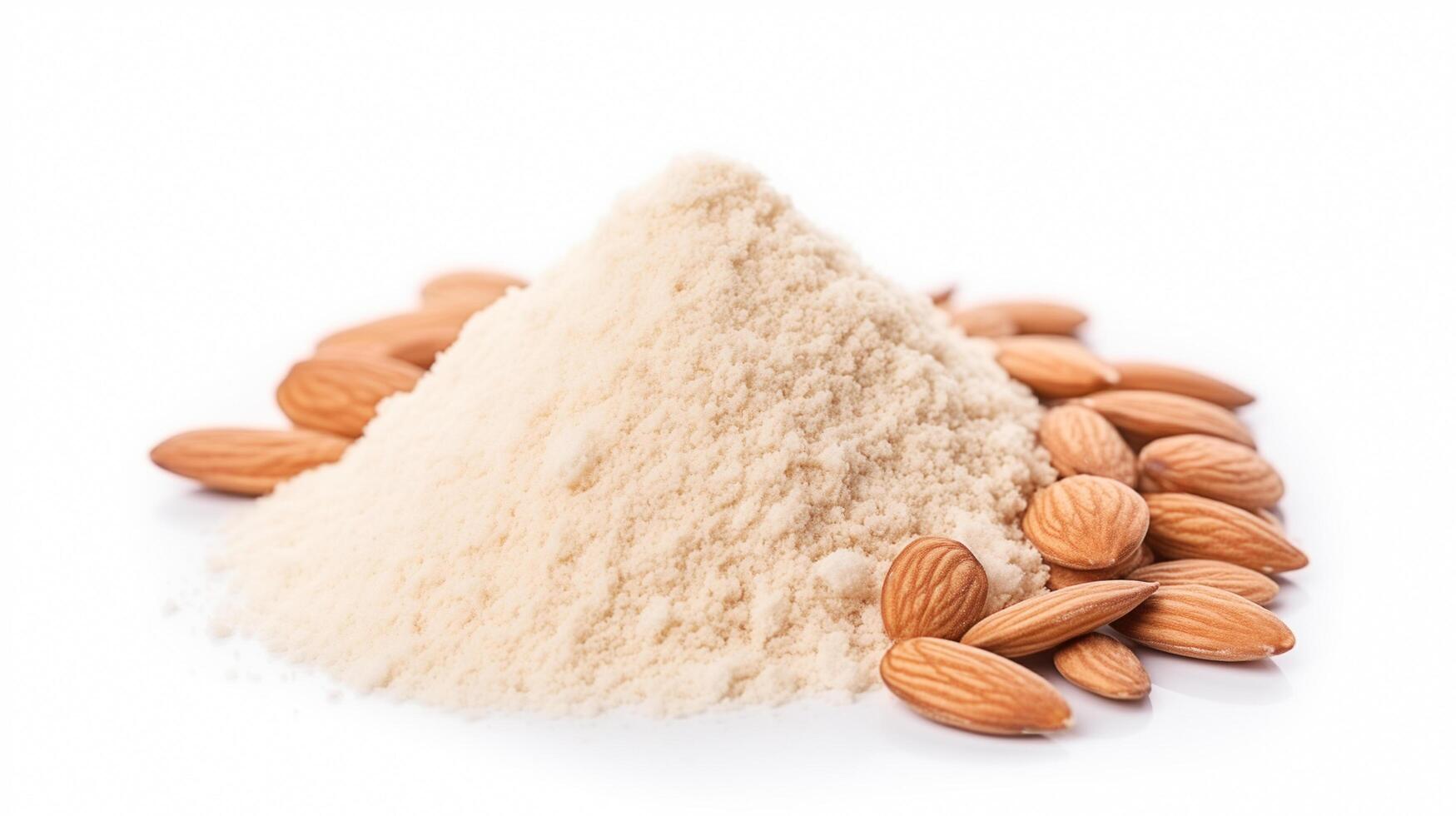
| Almond Flour:Made from ground blanched almonds, this flour is high in protein and healthy fats. It has a slightly nutty flavor and works well in baked goods, providing a moist texture. |
| Coconut Flour:Produced from dried, ground coconut meat, this flour is high in fiber and low in carbohydrates. It's very absorbent and requires more liquid in recipes compared to wheat flour. |
| Rice Flour:Made from finely milled rice, this flour comes in brown and white varieties. It has a neutral flavor and is often used in gluten-free baking mixes. It works well for thickening sauces and making crispy coatings. |
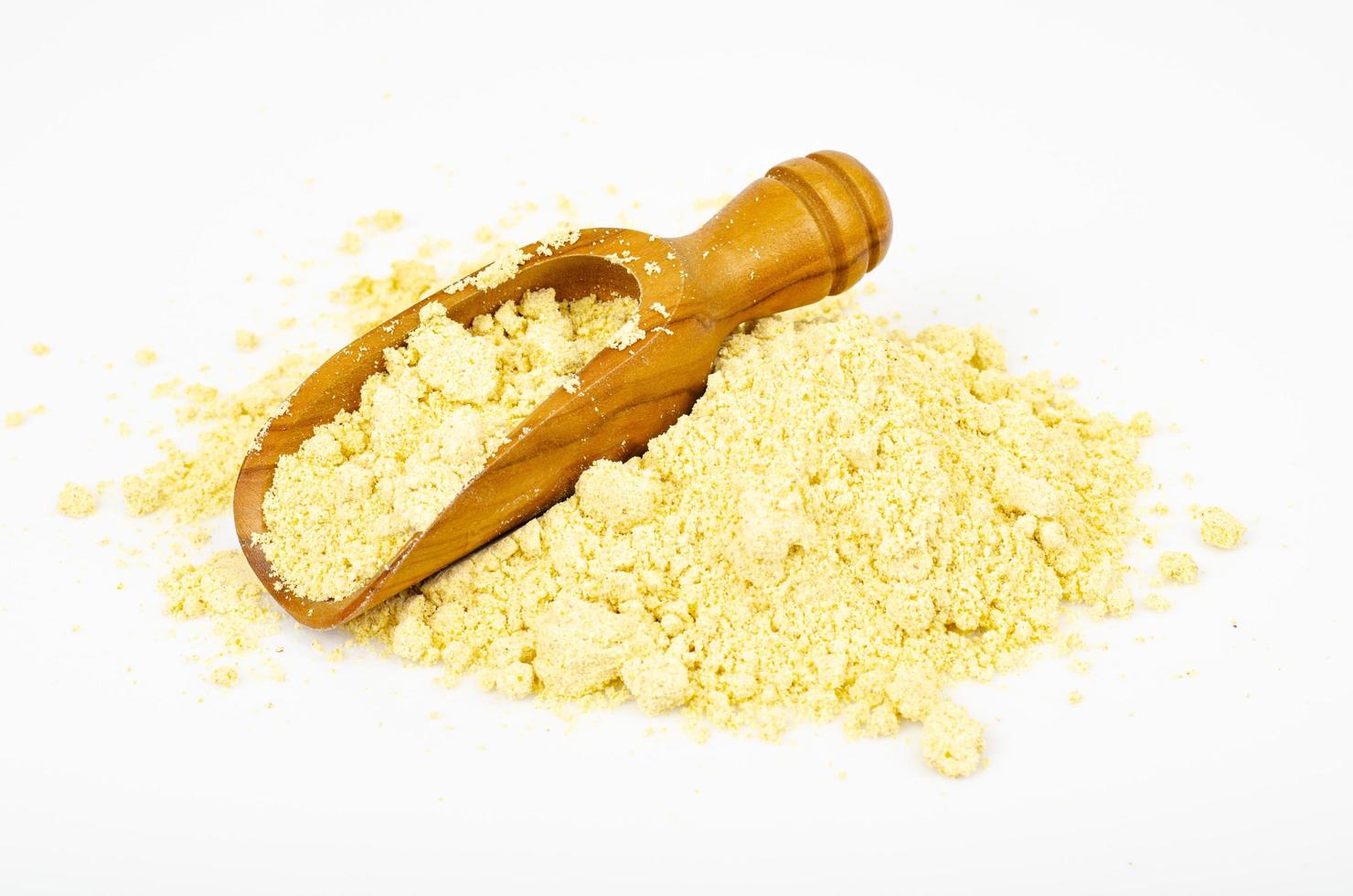
| Chickpea Flour:Also known as garbanzo bean flour, this alternative is high in protein and fiber. It has a slightly nutty flavor and is commonly used in Middle Eastern and Indian cuisines. It's great for making flatbreads and savory pancakes. |
| Buckwheat Flour:Despite its name, buckwheat is not related to wheat and is naturally gluten-free. This flour has a strong, earthy flavor and is rich in nutrients. It's often used in pancakes, noodles, and traditional European dishes like blinis. |
Health Information
? Frequently Asked Questions
4 questions1 Are mission flour tortillas gluten-free?
2 Are all tortilla shells gluten-free?
3 Are flour tortillas healthy?
4 Which wraps are gluten-free?
Our Expert
Drs. Ilse van Asperen
Orthomolecular Therapist, Nutritional Coach & Professional Editor
Drs. Ilse van Asperen is a medical doctor specialising in orthomolecular therapy and nutritional coaching. With a background in public and clinical health research and management, she focuses on addressing the root causes of health issues through diet, gut health, and stress reduction. As a professional editor for Little Helpers, she reviews all gluten-free content to ensure accuracy, safety, and scientific credibility. Read more on Drs. Ilse van Asperen's own website
Our Sources
The information on this page is based on reputable health and nutrition organisations, ensuring accuracy and reliability for anyone following a gluten-free diet. For further details, see the sources below.